
World February 4, 2026

Poll Shows Socialist Forefront in Portuguese Presidential Run-off as Far-Right Challenger Trails

Survey indicates a wide lead for Antonio Jose Seguro over Chega leader Andre Ventura ahead of Sunday's vote

By Ajmal Hussain
Poll Shows Socialist Forefront in Portuguese Presidential Run-off as Far-Right Challenger Trails

A Catolica University poll released by RTP indicates former Socialist leader Antonio Jose Seguro holds 67% of voting intentions against 33% for Chega’s Andre Ventura in the upcoming Portuguese presidential run-off. The presidency, while largely ceremonial, can influence the fractured political landscape through veto and dismissal powers. The poll, conducted Jan. 29-Feb. 2 with 1,601 respondents and a 2.4% margin of error, underscores tensions around the far-right’s rise and voter dissatisfaction with mainstream parties.

Key Points

  • Catolica University poll for RTP shows Antonio Jose Seguro with 67% vs Andre Ventura at 33% in the presidential run-off - relevant to political stability and government policy.
  • Portugal's presidency, though largely ceremonial, holds veto and dismissal powers that can shape the political landscape - this matters for public sector governance and investor perception.
  • Chega rose rapidly to become the main opposition after winning 22.8% in last May's parliamentary vote, reflecting broader voter frustration with mainstream parties - implications for political parties and electoral dynamics.

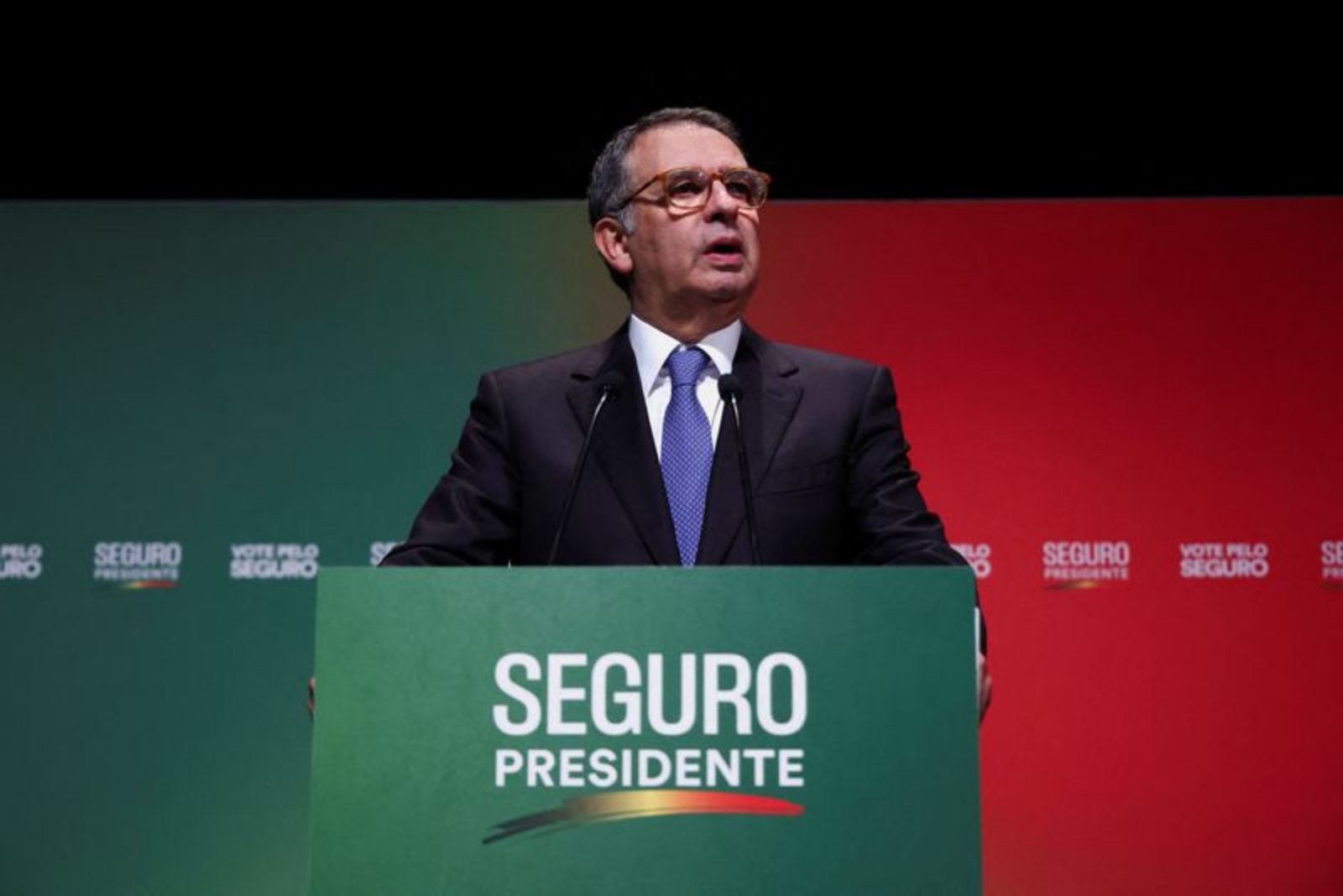
LISBON - A new opinion poll shows the moderate Socialist candidate leading decisively over the populist far-right contender in Portugal's presidential run-off scheduled for Sunday.

The survey, carried out by pollsters at Catolica University and published by broadcaster RTP late Tuesday, records Antonio Jose Seguro, a former Socialist party leader, with 67% of voting intentions. His rival, Andre Ventura, founder and leader of the anti-establishment party Chega, is placed at 33%.

In the context of Portugal's recent political history, a second-round presidential ballot is rare. The poll release noted that in the five decades since the Carnation Revolution ended authoritarian rule, a presidential run-off has occurred only once before, in 1986. Observers say that fact underlines political fragmentation and voter frustration with mainstream parties amid the growth of the far-right.


The role of the presidency

Although Portugal's presidency is mainly ceremonial, the office carries powers that shape the country's political balance. The president can veto legislation and has authority to dismiss the government, giving the occupant a potentially significant mediating role in a divided political landscape.

Antonio Jose Seguro has presented himself as a conciliatory figure, saying he would serve as a moderate, unifying president, independent of partisan politics, and that he would not act as a "shadow prime minister" or interfere with the government's day-to-day functions.

By contrast, Andre Ventura has described his intended approach as more hands-on. He has warned he would be "an interventionist president," pledging to fight decades of mainstream party corruption and to pursue a firm anti-immigration agenda. Ventura has faced criticism over remarks that have been viewed as racist toward the Roma community and South Asian immigrants.


Party dynamics and recent gains

Chega, established less than seven years ago, surged to prominence last May when it emerged as the main opposition force in parliamentary elections by securing 22.8% of the vote. Critics of Ventura contend he is using the presidential campaign in part to broaden and strengthen his party's influence across the country.

The poll was fielded between January 29 and February 2, surveying 1,601 individuals and carrying a margin of error of 2.4%.


Implications

The poll results frame the run-off as a potential affirmation of a moderate, unifying presidency, while also illustrating the limits and reach of the far-right's appeal. The outcome could affect how the presidency mediates competing parties and handles its limited but consequential powers.

Risks

  • Poll uncertainty due to a 2.4% margin of error and a sample of 1,601 may leave the final outcome less certain than headline figures suggest - this can affect markets sensitive to political risk.
  • Political fragmentation and voter disillusionment highlighted by the rarity of a presidential run-off since 1986 could sustain volatility in public sentiment and policymaking - a risk for political stability and public sector planning.
  • Ventura's critics say he may use the presidency to expand his party's reach, and his controversial remarks toward minority communities pose risks to social cohesion - this has potential consequences for sectors tied to immigration and community relations.

More from World

Review Finds State Prisons Grew More Violent and Deadly as Guard Ranks Shrank Feb 4, 2026 Italy Says ICE Agents at Milano Cortina Games Will Not Police Streets, Minister Insists Feb 4, 2026 Donor Reluctance Stalls US-Led Gaza Reconstruction Plan as Disarmament Talks Lag Feb 4, 2026 Junta Establishes Five-Member 'Union Consultative Council' to Oversee Military and Civil Administration Feb 4, 2026 Second U.S.-Brokered Trilateral Talks Underway in Abu Dhabi as Major Gaps Persist Feb 4, 2026