
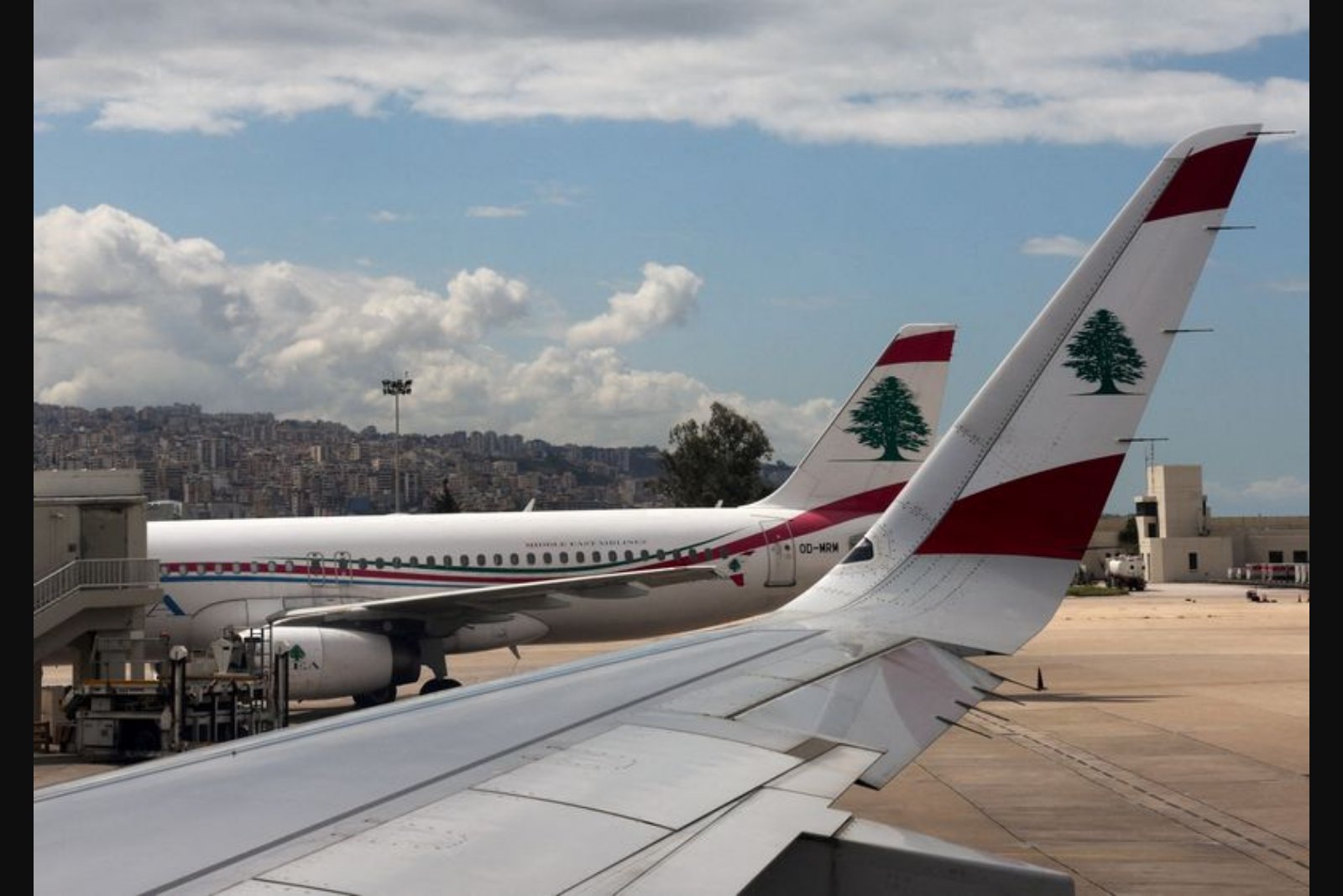
Airline pilots who have expressed safety worries about flying in and out of the Middle East have told the International Federation of Air Line Pilot Associations (IFALPA) they fear reprisals if they decline assignments, the federation's president said.
Ron Hay, IFALPA's president and a Delta Air Lines captain, told Reuters that pilots from countries as varied as Lebanon and India described "widespread" concern that refusing to operate flights in an environment where airspace can be shut at short notice because of missile or drone strikes could lead to penalties ranging from unpaid trips to dismissal.
"There is an underlying fear of retribution," Hay said in his first interview on the topic. He declined to identify any specific airlines but gave examples of what pilots said they had been told by management - including that if they refused a trip they might be left without pay - and said some pilots feared termination for declining work.
Hay framed these responses as symptomatic of a weak safety culture in parts of the Middle East, where pilots are not being encouraged to raise safety concerns without fear of negative consequences. "That’s been lacking in the Middle East region for quite some time and it’s just been exacerbated by this conflict," he said.
IFALPA, which is based in Montreal, lists member associations in Bahrain, Egypt, Israel, Kuwait and Lebanon on its website. The federation does not list member associations for major carriers in the United Arab Emirates and Qatar, where pilots at those airlines are not unionized.
Airlines in the region have said they place safety first. Flights to and from the UAE and Qatar have been operating through corridors established with regulators. Nonetheless, a number of pilots based in the Gulf declined Reuters requests to discuss whether they felt comfortable flying under current conditions; more than a dozen either refused to speak, even anonymously, or did not respond.
The comments from IFALPA come as some Middle Eastern carriers move to restore routes, despite a two-week ceasefire announced on Tuesday that has faced ongoing attacks. In the wake of the truce announcement, the European Union Aviation Safety Agency extended restrictions on European carriers operating in the airspace of several Gulf countries - including the UAE and Qatar - until April 24, but carriers based in Dubai and Doha as well as some Indian airlines have maintained services.
Growing unease among pilots prompted IFALPA to release a paper this week stressing that pilots must retain a "non-negotiable" role in safety decision-making, Hay said. "There is a deep concern within the region, which is part of the reason the paper was generated," he added.
International aviation bodies are also drawing attention to the issue. A bulletin from the U.N.'s aviation agency, issued on Thursday, labeled mental health risks in conflict zones "safety critical," warning that personnel operating within or near such zones may face elevated levels of stress, anxiety and fatigue while both on the ground and in the air.
Hay said pilots flying into affected airports reported inconsistent guidance on potential hazards, complicating operational planning when an airport could be closed suddenly due to a drone strike. Such unpredictability increases the difficulty of flight planning and crew welfare management, pilots told the federation.
In late March, Indian pilots who are IFALPA members described Air India’s ongoing operations to the impacted Gulf region as a "grave concern," and urged India's civil aviation regulator by letter to suspend those services until a centralized risk assessment could be carried out. According to a source familiar with the matter, Air India has retained risk consultants who evaluate daily whether flights can operate safely. India's aviation regulator did not immediately respond to a request for comment.
Operational hazards extend beyond the airport. Hay recounted receiving a recent message from members in Beirut who, after landing safely, found that routes between the airport and their homes had been "completely bombed," leaving them unsure how to return. That anecdote underscored the broader safety and welfare challenges facing crews operating in the region.
IFALPA's outreach and published guidance aim to ensure pilots can exercise safety-related judgment without fear of punitive action, and to draw attention to the mental health consequences of working in or near conflict zones. The federation's interventions reflect concern among aviators about both immediate operational hazards and the longer-term cultural and welfare issues that arise when crews feel unable to speak up.
Summary - International pilots have told IFALPA they fear retaliation, including loss of pay or jobs, if they refuse flights into a Middle East region where airspace closures can occur suddenly due to missile or drone strikes. The federation has published guidance stressing pilots' non-negotiable role in safety amid inconsistent operational rules, resumed flights by some carriers and advisories from aviation authorities highlighting mental health risks.