
World April 7, 2026

Pakistan Asks U.S. to Postpone Iran Deadline by Two Weeks to Allow Diplomacy

Prime Minister seeks brief extension and reciprocal reopening of Strait of Hormuz as talks risk derailment after regional attacks

By Maya Rios
Pakistan Asks U.S. to Postpone Iran Deadline by Two Weeks to Allow Diplomacy

On April 8, Pakistan's prime minister requested that U.S. President Donald Trump extend by two weeks the deadline set for Iran to end its blockade of Gulf oil, urging a corresponding goodwill opening of the Strait of Hormuz by Tehran and proposing a two-week ceasefire to allow diplomacy to proceed. Sources said negotiations between Washington and Tehran were endangered following attacks on Saudi industrial facilities. The White House had no immediate comment.

Key Points

  • Pakistan requested a two-week extension to a U.S. deadline for Iran to end its blockade of Gulf oil, seeking reciprocal re-opening of the Strait of Hormuz.
  • The U.S. deadline gives Iran until 8 p.m. EDT (0000 GMT) in Washington - 3:30 a.m. in Tehran - to end the blockade or face U.S. threats to destroy infrastructure.
  • Talks between the U.S. and Iran are reported to be at risk after attacks on Saudi Arabian industrial facilities; Pakistan has served as the main intermediary but no agreement has been reached - sectors impacted include oil and shipping, regional security, and power/infrastructure markets.

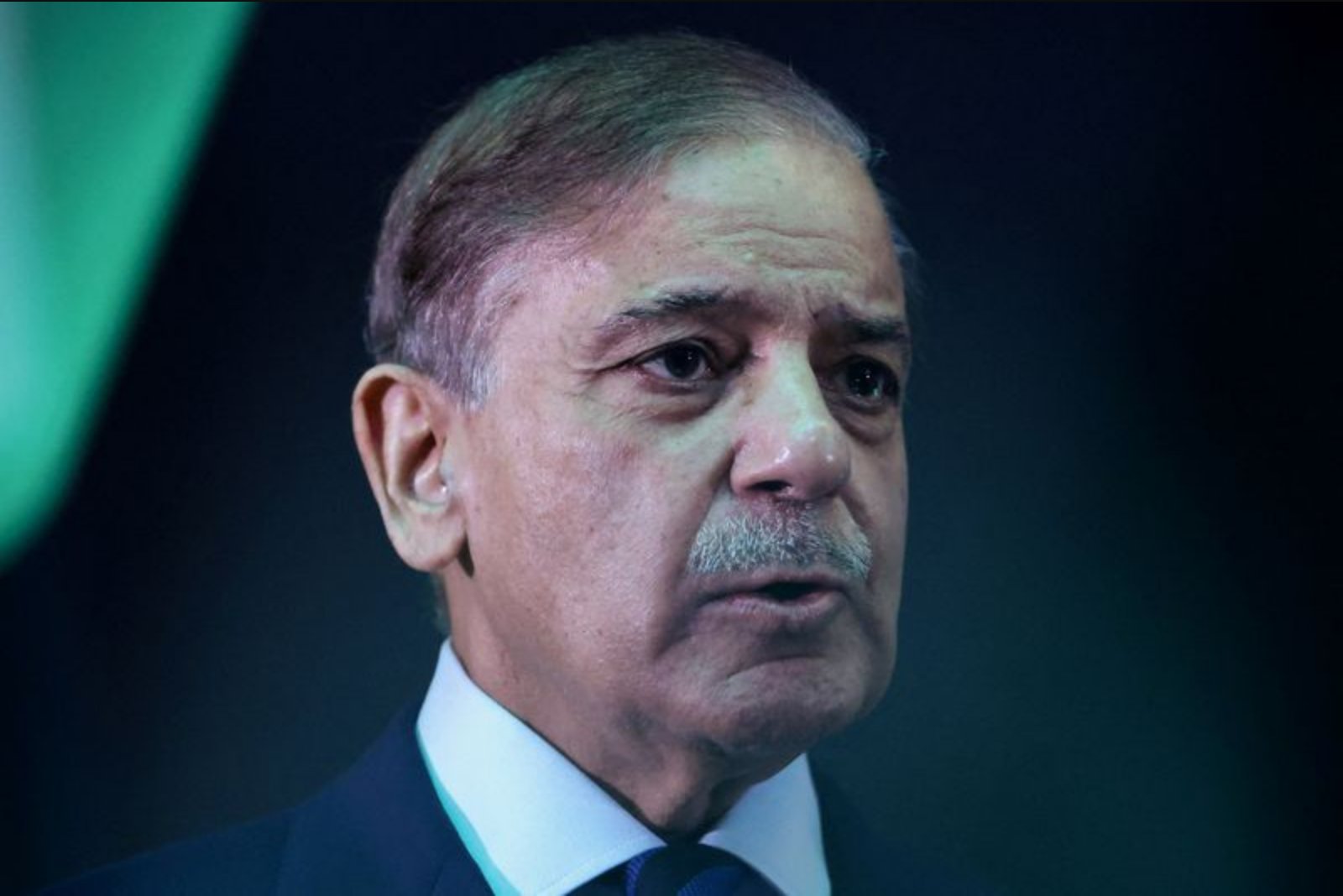
April 8 - Pakistan Prime Minister Shehbaz Sharif on Wednesday formally asked U.S. President Donald Trump to postpone by two weeks a deadline that the U.S. has given Iran to lift its blockade on oil shipments through the Gulf.

In a post on X, Sharif wrote: "To allow diplomacy to run its course, I earnestly request President Trump to extend the deadline for two weeks. Pakistan, in all sincerity, requests the Iranian brothers to open Strait of Hormuz for a corresponding period of two weeks as a goodwill gesture."

The deadline set by President Trump gives Iran until 8 p.m. EDT (0000 GMT) in Washington - 3:30 a.m. in Tehran - to end its blockade of Gulf oil or face what the president described as U.S. action to "destroy every bridge and power plant in Iran."

Sharif also appealed for a temporary cessation of hostilities. He urged "all warring parties" to observe a ceasefire everywhere for two weeks "to allow diplomacy to achieve conclusive termination of war" and said that diplomatic efforts to secure a peaceful settlement were "progressing steadily, strongly and powerfully with the potential to lead to substantive results in near future."

The White House did not immediately respond to a request for comment.

Sources said on Tuesday that talks between the U.S. and Iran were at risk of being derailed after Tehran launched attacks on Saudi Arabian industrial facilities. Pakistan has acted as the primary intermediary for proposals exchanged between Iran and the United States, but there has been no sign of a compromise so far.


Context and implications

The prime minister's appeal frames the two-week extension as a narrow window intended to permit diplomacy to continue uninterrupted. His request links the proposed pause to reciprocal action by Iran regarding passage through the Strait of Hormuz, and it includes an explicit call for a time-limited ceasefire to facilitate negotiations.

Current status

  • No immediate response was reported from the White House.
  • Sources cautioned that recent attacks on Saudi industrial facilities have placed the talks in jeopardy.
  • Pakistan remains the principal intermediary, but a resolution between the parties has not been reported.

Risks

  • Negotiations may be derailed following attacks on Saudi industrial facilities, increasing the risk of disruption for oil and shipping sectors.
  • The U.S. threat to destroy bridges and power plants in Iran raises the prospect of damage to energy and infrastructure assets, affecting power markets and regional economic stability.
  • Lack of an immediate response from the White House and absence of a reported compromise mean diplomatic outcomes remain uncertain, posing continued volatility for commodity and regional security-sensitive markets.

More from World

ICE agents shoot and wound man after alleged vehicle attack in California town Apr 7, 2026 Banga Defends World Bank’s Role in Gaza Reconstruction and Trusteeship of Donor Funds Apr 7, 2026 U.N. Preliminary Inquiry Finds Israeli Tank Fire and Likely Hezbollah IED Killed Indonesian Peacekeepers Apr 7, 2026 Pope Leo Decries Threats to Iranian Civilians as 'Truly Unacceptable' Apr 7, 2026 Iraqi Militia Announces Release of Abducted U.S. Journalist, Orders Immediate Departure Apr 7, 2026