
World January 29, 2026

New Zealand Opts Out of U.S. 'Board of Peace' in Current Form

Government says participation would not add significant value and seeks clarity on mandate and UN alignment

By Marcus Reed
New Zealand Opts Out of U.S. 'Board of Peace' in Current Form

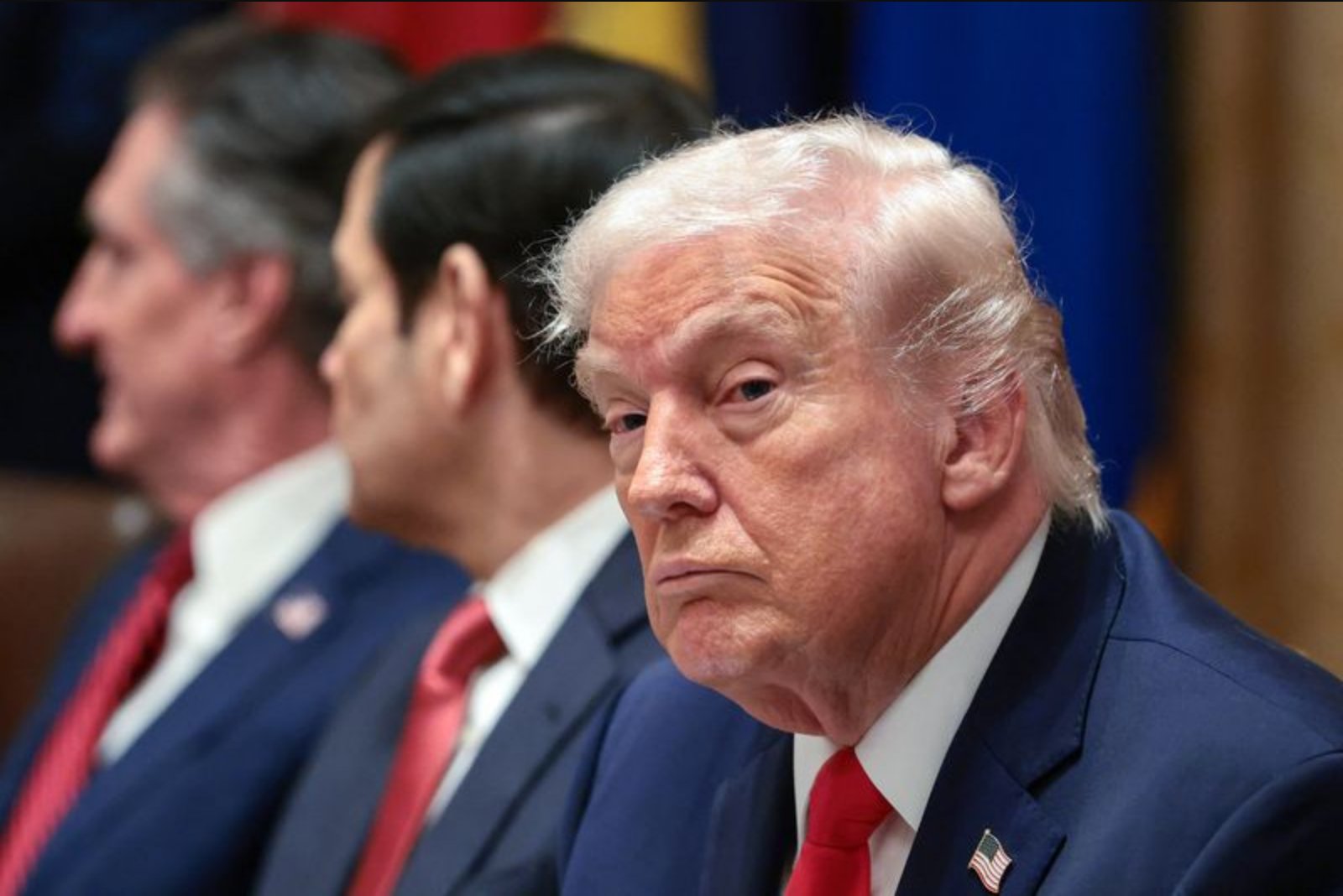
New Zealand has declined U.S. President Donald Trump’s invitation to join the newly created Board of Peace, with Prime Minister Christopher Luxon saying Wellington will not accept the invitation in its current form. Foreign Minister Winston Peters emphasized that regional states are already contributing to Gaza-related efforts and that the board’s work must align with the UN Charter and its mandate needs clarification.

Key Points

  • New Zealand declined an invitation from U.S. President Donald Trump to join the newly created Board of Peace, saying it will not join the body "in its current form."
  • Several Middle Eastern states - Turkey, Egypt, Saudi Arabia and Qatar - and Indonesia have joined the board, while some global powers and Western U.S. allies have been cautious.
  • New Zealand emphasized the need for the Board’s work to be complementary to and consistent with the UN Charter, and said regional states are already contributing to Gaza-related efforts.

New Zealand has decided not to accept U.S. President Donald Trump’s invitation to participate in the recently launched Board of Peace, Prime Minister Christopher Luxon said in a statement on Friday. The decision, Luxon said, reflects the government’s view of the board "in its current form."

President Trump unveiled the Board of Peace last week with an initial aim of helping to secure and stabilise a fragile ceasefire in Gaza. He has described the body as having potential to take on a broader role involving other global powers, and has extended invitations to dozens of world leaders to join.

A number of countries from the Middle East have already accepted membership, including Turkey, Egypt, Saudi Arabia and Qatar. Indonesia, cited as a major emerging nation, has also joined the board. By contrast, several global powers and traditional Western allies of the United States have adopted a more cautious stance toward the initiative.

New Zealand’s foreign minister, Winston Peters, commented on the decision via a post on X. Peters noted that "a number of states, particularly from the region, have stepped up to contribute to the Board’s role on Gaza, and 'New Zealand would not add significant further value to that.'"

Peters added that, as "a leading founder and longstanding supporter" of the United Nations, New Zealand considers it important that the Board’s work be complementary to and consistent with the UN Charter. He said: "It is a new body, and we need clarity on this, and on other questions relating to its scope, now and in the future."

The New Zealand government therefore concluded that, pending clearer definition of the board’s mandate and assurances of alignment with established multilateral frameworks, it would not join the Board of Peace at this time.


Context limitations: The government statement and the foreign minister’s post cited above set out New Zealand’s position and the reasons given; they do not provide further details on what specific clarifications or changes would be required for New Zealand to reconsider participation.

Risks

  • Uncertainty about the Board of Peace’s mandate and scope - this could affect diplomatic coordination and international institutional alignment.
  • Potential duplication of efforts in Gaza-related diplomacy if multiple new bodies operate without clear roles - this may complicate multilateral engagement in the region.

More from World

Kremlin says Russia has long offered to process or store Iran’s enriched uranium Feb 2, 2026 Long-Awaited Rafah Reopening Prompts Hope and Anxiety Among Palestinians Stranded Across Border Feb 2, 2026 Rafah Reopens but Core Questions Persist Over Implementation of Trump’s Gaza Blueprint Feb 2, 2026 Rafah Crossing Reopens on Foot with Strict Limits as Gaza Remains Under Strain Feb 2, 2026 Medvedev Warns World Is Growing More Dangerous but Says Russia Does Not Seek Global War Feb 2, 2026