
World January 22, 2026

NATO's Supreme Commander Raises Alarm Over Russia-China Arctic Collaboration

Joint maritime and aerial operations heighten strategic concerns amid shifting geopolitical dynamics

By Nina Shah
NATO's Supreme Commander Raises Alarm Over Russia-China Arctic Collaboration

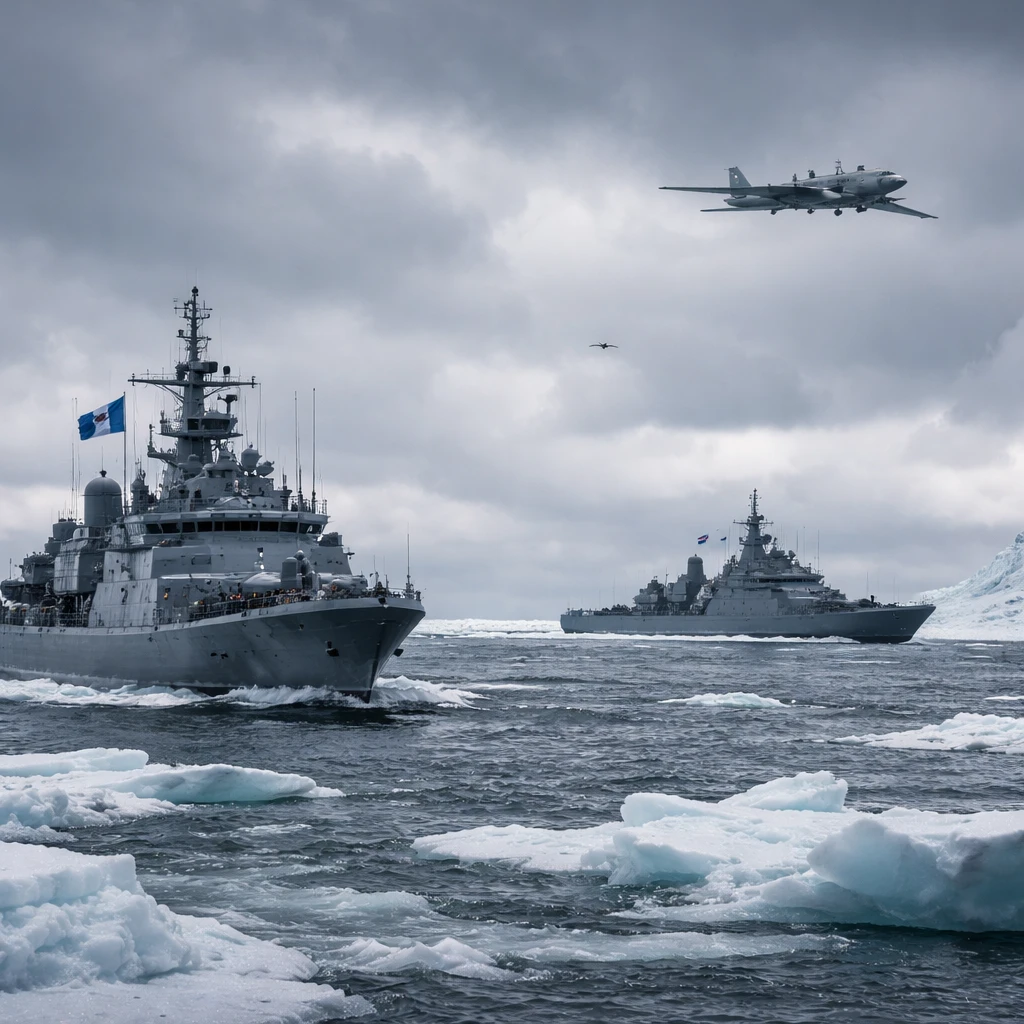
NATO's Supreme Allied Commander Europe, General Alexus Grynkewich, has expressed growing worry about the increasing military cooperation between Russia and China in the Arctic region. Highlighted are joint naval patrols and coordinated long-range bomber flights, which contribute to evolving security challenges. Concurrently, developments concerning Greenland's territorial negotiations are closely monitored for their potential implications on alliance strategy.

Key Points

  • Russia and China have increased their military cooperation in the Arctic, including joint maritime patrols and coordinated long-range bomber flights.
  • NATO's Supreme Allied Commander Europe recognizes these activities as a strategic concern and is working on enhancing alliance posture in the Arctic region.
  • Diplomatic efforts regarding Greenland's status have shifted away from threats of tariffs and use of force toward negotiations, with NATO awaiting policy direction.
  • Impact on defense sectors due to increased military presence and operations in the Arctic waters and airspace is significant, influencing security budgets and operational priorities.

In a recent statement outlining strategic concerns, General Alexus Grynkewich, U.S. Air Force general and NATO’s Supreme Allied Commander Europe, pointed to a notable escalation in cooperative military activities between Russia and China in the Arctic sphere. These operations encompass enhanced maritime joint patrols and coordinated flights involving long-range bombers, indicating a deepening partnership in a region increasingly critical to global security.

Addressing journalists, General Grynkewich detailed how the trans-Atlantic alliance is actively reviewing its posture to effectively respond to these developments. Efforts focus on identifying methods by which member nations can strengthen their presence and capabilities in the Arctic, a strategic theater witnessing intensified activity.

The context of these observations aligns with recent diplomatic movements concerning Greenland, a Danish territory of significant geopolitical interest. U.S. President Donald Trump, having previously suggested tariffs as part of a strategy to access Greenland, recently retracted such measures, explicitly ruling out the use of force. Instead, he conveyed optimism about reaching an agreement to resolve disputes over the territory.

In this evolving situation, NATO leadership, including Admiral Giuseppe Cavo Dragone, is awaiting guidance to understand the implications of any potential agreements on alliance strategy and presence in the Arctic region. These developments reflect the multifaceted and dynamic nature of security issues confronting the alliance, as it navigates complex geopolitical shifts involving major global powers.


This emerging landscape presents several considerations for sectors related to defense, maritime security, and geopolitical risk assessments. Monitoring and adapting to shifts in Arctic military collaboration are essential for stakeholders engaged in regional security, resource exploitation, and international logistics.

Risks

  • The enhanced Russia-China cooperation in the Arctic could lead to increased military tensions, impacting geopolitical stability and raising defense sector uncertainties.
  • Negotiations over Greenland's status remain unresolved, posing uncertainty for NATO’s strategic planning and regional security arrangements.
  • Heightened military activity in the Arctic may complicate international cooperation on resource exploitation and trade routes, affecting energy and shipping sectors.

More from World

Kremlin says Russia has long offered to process or store Iran’s enriched uranium Feb 2, 2026 Long-Awaited Rafah Reopening Prompts Hope and Anxiety Among Palestinians Stranded Across Border Feb 2, 2026 Rafah Reopens but Core Questions Persist Over Implementation of Trump’s Gaza Blueprint Feb 2, 2026 Rafah Crossing Reopens on Foot with Strict Limits as Gaza Remains Under Strain Feb 2, 2026 Medvedev Warns World Is Growing More Dangerous but Says Russia Does Not Seek Global War Feb 2, 2026