
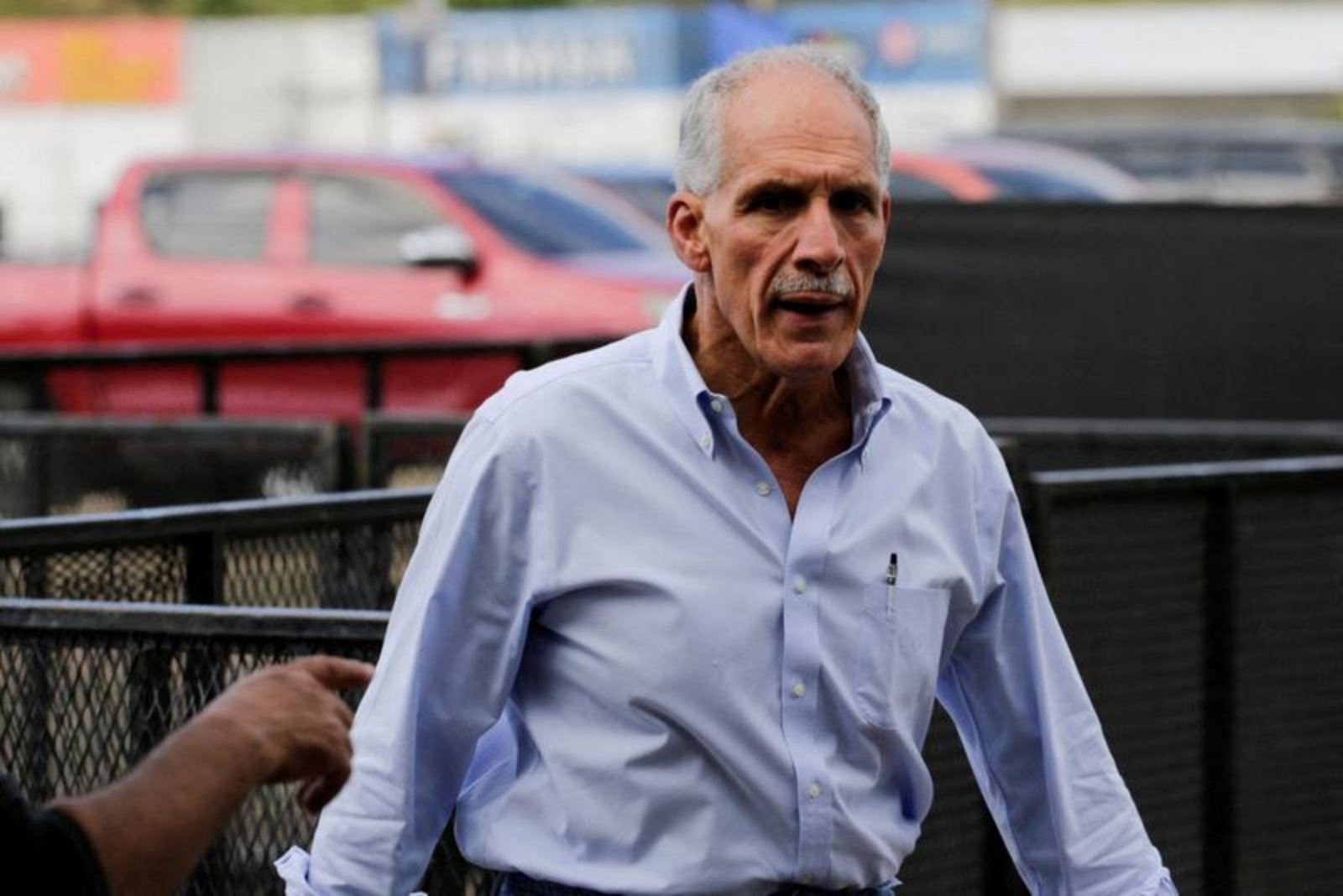
Nasry Asfura, a conservative politician and businessman aged 67, will formally take the Honduran presidency on Tuesday to begin a four-year term that runs through January 2030. The inauguration concludes a protracted and contentious post-electoral period that included a tight margin of victory, a disputed vote count and claims of external interference.
Asfura, who served as mayor of Tegucigalpa from 2014 until 2022, campaigned on a platform centered on vigorous job creation and fiscal restraint. He frequently summarized his pledge with the slogan "work and more work," promising to attract investment, generate employment and apply austerity measures to government spending. He has also vowed to prioritize reductions in poverty, corruption and crime while attempting to revive an economy in one of the hemisphere's poorest countries.
Diplomatically, Asfura said he would restore relations with Taiwan - a reversal of policy enacted by outgoing President Xiomara Castro in 2023 when ties were severed. Such a restoration would represent a notable diplomatic setback for China in Central America.
The lead-up to the inauguration was marked by political friction. Asfura prevailed over centrist candidate Salvador Nasralla by roughly 26,000 votes, a margin described as razor-thin. The final phase of the election unfolded amid accusations of fraud from rival parties and concerns over the integrity of the vote-counting process. The campaign period intensified when U.S. President Donald Trump issued a last-minute endorsement of Asfura, a development that contributed to political tension and accusations of U.S. interference.
In recent days Washington said it aimed to begin negotiations "as soon as possible" on a bilateral trade agreement with Honduras. That potential trade engagement comes as Asfura prepares to assume office, yet his ability to deliver international accords or constitutional reforms will depend on support beyond his own party. Although his party controls a simple parliamentary majority, ratifying international treaties or amending the constitution requires votes from rival parties - some of which have raised allegations of fraud in the recent election.
Observers and analysts say immediate policy focus and public services will shape perceptions of the new government. Political analyst Luis Leon, speaking from Tegucigalpa, noted the urgency of several policy fronts. "In Honduras, everything is urgent," he said, adding that public health and investment to create jobs will be essential measures of whether the government is effectively responding to citizens' needs.
Last year health-sector workers staged a strike that lasted nearly a month to protest overdue pay and shortages of medicines and supplies. A recent joint report by the World Bank, the Pan American Health Organization and the medical journal the Lancet concluded that Honduras' public health system suffers from deep structural weaknesses that leave it vulnerable to health crises.
Outgoing President Xiomara Castro, a leftist, departs after an administration that expanded public investment and social spending. Her government presided over moderate economic growth and recorded declines in poverty and inequality, though both metrics remain elevated. The homicide rate fell to its lowest level in recent history under her watch, but human-rights organizations criticized the Castro administration for maintaining prolonged states of emergency in parts of the country to counter gang violence and for expanding the military's role in internal security.
As Asfura prepares to take the oath, the incoming government faces a narrow political margin in the legislature, pressing public health needs and high public expectations for economic improvement. How those pressures are balanced will determine whether his early initiatives gain traction both domestically and on the international stage.