
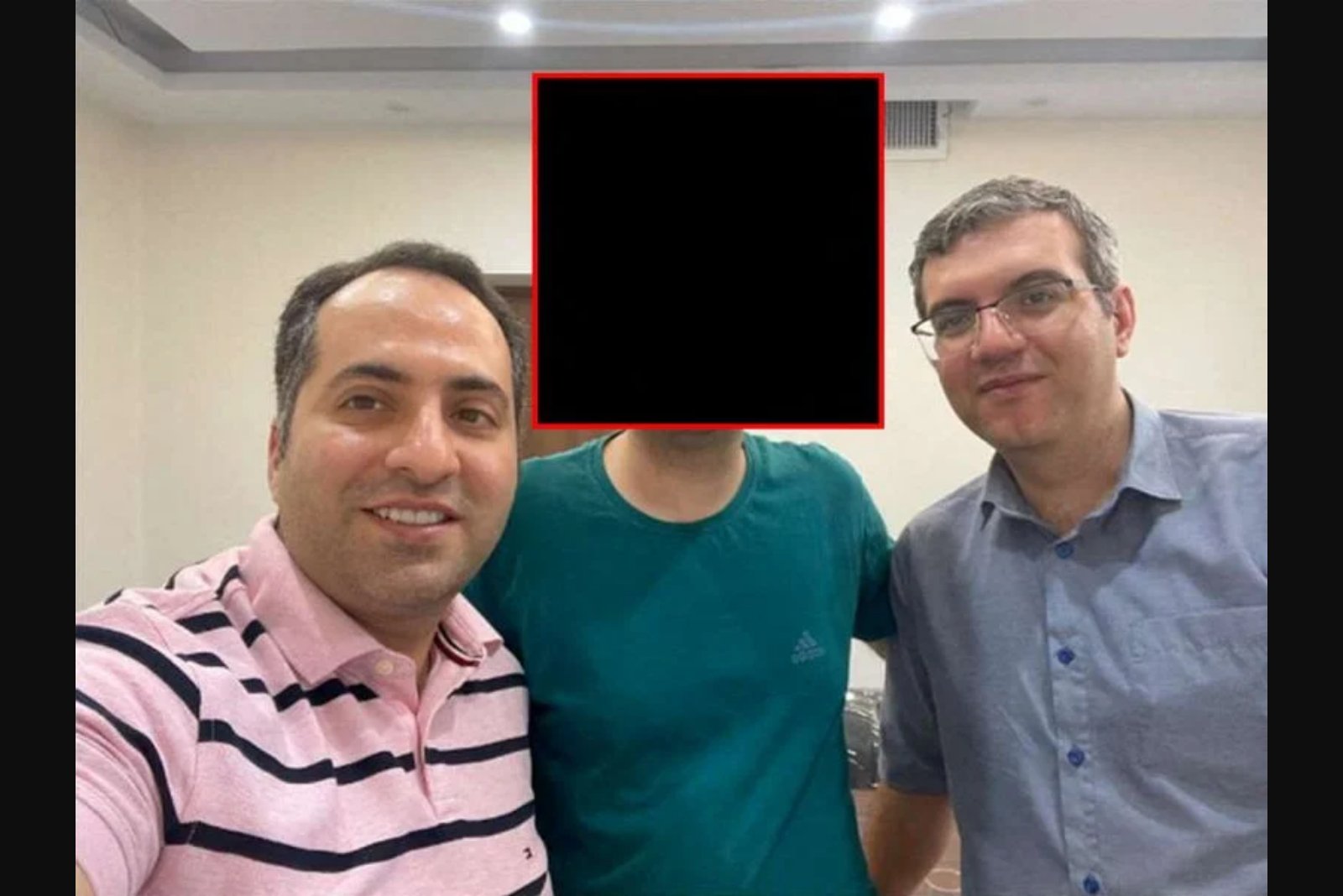
A U.S. federal judge in Boston on Thursday ordered the release of an Iran-born engineer on bail only days before his scheduled trial on charges that he helped illegally obtain components for a navigation system used by Iranian military drones.
The defendant, Mahdi Sadeghi, a dual U.S.-Iranian national, had previously been held without bail after U.S. District Judge Indira Talwani determined there was a credible risk he could leave the country to avoid prosecution. Prosecutors charge Sadeghi with participating in a conspiracy to procure technology in violation of U.S. export controls and sanctions.
According to prosecutors, the navigation system at issue was incorporated into a drone that struck a U.S. military position known as Tower 22, near the Syrian border in Jordan, in January 2024. That attack is alleged to have killed three Army Reserve soldiers and wounded 47 others.
Talwani said on Thursday that circumstances had materially changed since Sadeghi's arrest in December 2024, citing the onset of a conflict involving Iran that began in February when the United States and Israel launched strikes. The judge said that development made the prospect of Sadeghi and his family returning to Iran "less attractive" and would complicate any effort to leave the United States.
"It is just a different political world," the judge said.
The judge also pointed to statements by Sadeghi's wife, who she said had expressed a desire for the family to remain in the United States, where they live in Natick, Massachusetts. Talwani noted that fleeing would put at risk the family's established residence in the United States, which she said was a meaningful deterrent to flight.
Under the terms set by the court, Sadeghi is to be released on Friday on a secured bond of $500,000. His release will be subject to strict conditions, including home detention and monitoring via a GPS ankle device. A request for comment to Sadeghi's attorney did not receive a response.
Sadeghi has entered a plea of not guilty to allegations that he worked to illegally source technology for a company run by Iranian businessman Mohammad Abedini. Prosecutors say Abedini's company listed the Islamic Revolutionary Guard Corps among its clients and produced the navigation system used in Iran's Shahed drones.
Sadeghi is scheduled to go to trial on June 22. He will face the case alone after Italian authorities last year released Abedini, who had been awaiting extradition to the United States. Abedini's release followed Iran's detention and subsequent release of an Italian journalist, a development that resulted in Abedini not being sent to the United States to face charges.
This case combines questions about enforcement of U.S. export control and sanctions laws, allegations of illicit procurement networks tied to military drone programs, and the influence of shifting international events on domestic criminal proceedings.