
World January 27, 2026

Israel to Seek New Decade-Long Security Arrangement with U.S., Focus Shifts Toward Joint Projects

Officials signal preference for collaborative defence programmes as annual grant component may decline

By Nina Shah
Israel to Seek New Decade-Long Security Arrangement with U.S., Focus Shifts Toward Joint Projects

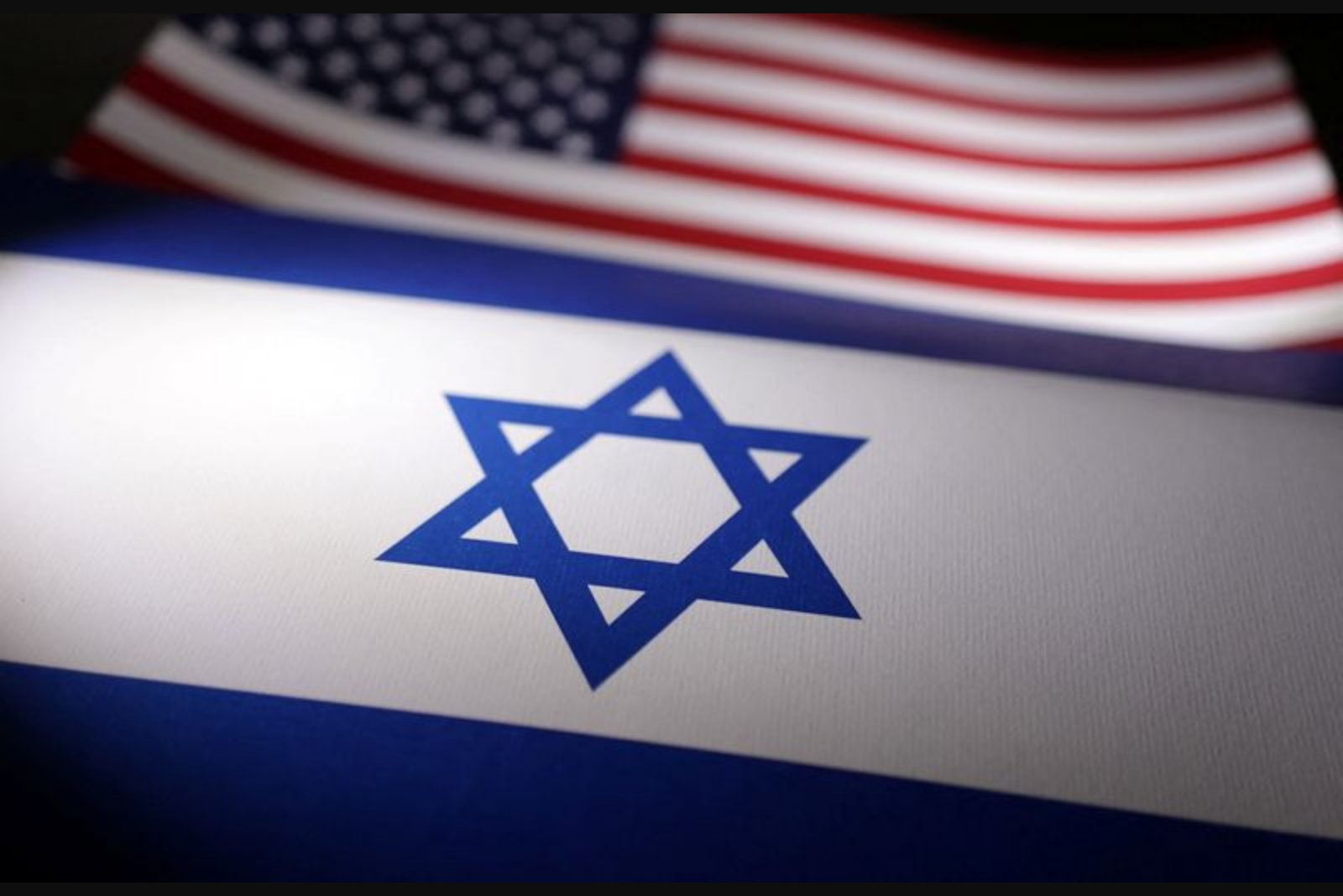
Israel is preparing to open negotiations with the U.S. administration on a new 10-year security arrangement. Senior Israeli defence finance officials say the government will press for greater emphasis on joint military and defence projects while planning for a possible gradual reduction in annual direct cash grants used to buy U.S. equipment.

Key Points

  • Israel is preparing to negotiate a new 10-year security arrangement with the U.S., with talks expected in the coming weeks.
  • Senior Israeli defence finance officials plan to prioritise joint military and defence projects over direct cash grants; the annual $3.3 billion grant component "could decrease gradually."
  • The current 2016 memorandum of understanding runs through September 2028 and commits $38 billion in military aid - $33 billion for equipment grants and $5 billion for missile defence systems. Impacted sectors include defence contractors, government defence budgets, and military procurement markets.

Israel is readying talks with the U.S. administration to negotiate a fresh 10-year security package, with Israeli officials indicating a shift in emphasis from direct cash assistance toward collaborative defence programmes.

Gil Pinchas, who spoke on the matter before leaving his post as chief financial adviser to Israel’s military and defence ministry, said Israel intends to prioritise joint military and defence projects in the forthcoming discussions, which he expected to occur in the coming weeks. He framed the relationship as extending beyond the immediate financial transfer, noting that many elements of the relationship carry value comparable to money.

"The partnership is more important than just the net financial issue in this context - there are a lot of things that are equal to money," Pinchas said. "The view of this needs to be wider." He added that the pure financial support - often described as "free money" - which currently amounts to $3.3 billion a year and can be used by Israel to purchase U.S. weapons, represents a component of the memorandum of understanding that "could decrease gradually."

The current framework was set in 2016, when the U.S. and Israel signed a memorandum of understanding covering 10 years through September 2028. That agreement provides $38 billion in total military aid, of which $33 billion are grants earmarked for procurement of U.S. military equipment and $5 billion are allocated to missile defence systems.

Earlier this month, Israeli Prime Minister Benjamin Netanyahu said he hoped Israel would "taper off" its dependence on U.S. military aid over the next decade, signalling an official intent to move toward more self-reliance or different financing arrangements for defence procurement.

The U.S. State Department did not immediately respond to a request for comment outside regular business hours.


Background details already in place will shape the talks: the existing 2016 memorandum of understanding, the annual $3.3 billion grant element available for equipment purchases, and Israeli statements expressing a desire to rebalance the partnership toward joint projects rather than direct cash transfers.

How negotiations unfold could influence procurement planning, defence cooperation mechanisms, and the structure of U.S. military assistance over the next decade.

Risks

  • Negotiations may lead to a reduction in the annual grant component, which could affect defence procurement plans and the revenue outlook for U.S. defence suppliers - impacting the defence manufacturing sector.
  • Uncertainty around the timing and outcome of talks - now expected in the coming weeks - creates planning risk for both Israeli defence procurement cycles and related contractors, particularly those relying on U.S.-funded sales.
  • Shifts from cash grants toward joint projects could change funding flows and contract structures, introducing execution and budgeting risks for governments and defence firms involved in collaborative programmes.

More from World

Greenland’s premier says U.S. still aims for control despite ruling out military action Feb 2, 2026 Kremlin says Russia has long offered to process or store Iran’s enriched uranium Feb 2, 2026 Long-Awaited Rafah Reopening Prompts Hope and Anxiety Among Palestinians Stranded Across Border Feb 2, 2026 Rafah Reopens but Core Questions Persist Over Implementation of Trump’s Gaza Blueprint Feb 2, 2026 Rafah Crossing Reopens on Foot with Strict Limits as Gaza Remains Under Strain Feb 2, 2026