
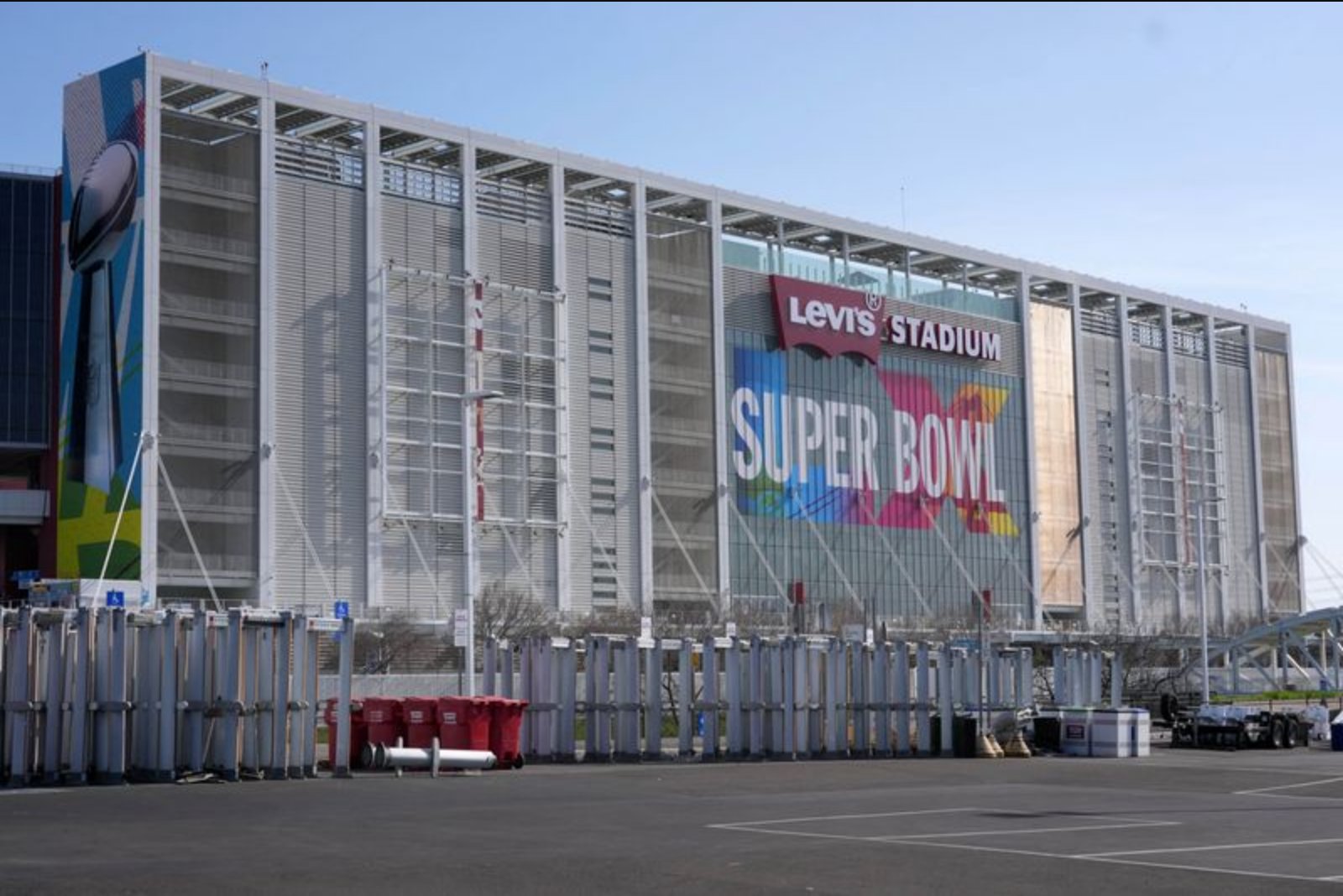
U.S. Immigration and Customs Enforcement has no planned immigration enforcement operations at this year’s Super Bowl, two people with knowledge of the security arrangements told reporters on Monday. The game, scheduled for Sunday in Santa Clara and featuring the Seattle Seahawks against the New England Patriots, is expected to have security measures consistent with those used at past Super Bowls, according to one of the people who cited a recent email from the Bay Area Host Committee to elected officials.
Sources described ICE enforcement at Super Bowls as not typical. That backdrop comes as President Donald Trump’s immigration enforcement policies remain a focal point of public scrutiny after the killing of two U.S. citizens in Minnesota last month by ICE agents, an episode that has prompted protests across the United States.
The star of this year’s halftime show, Puerto Rican rapper and 2026 Grammy winner Bad Bunny, has not performed in the continental United States on his recent concert tour. He cited concern that federal agents might turn up to arrest his fans as a reason for skipping those U.S. dates.
When asked directly about the prospect of ICE operations at the game, National Football League Commissioner Roger Goodell said the league is coordinating with local, state and federal law enforcement to ensure a safe environment for the event. "The federal government is a big part of that, including this administration and every other administration before that," he said at a press conference on Monday.
In previous years, a unit of ICE known as Homeland Security Investigations has taken part in security duties at the Super Bowl, one of the sources said. For this year’s event, HSI is responsible for helping to coordinate several federal agencies that are handling security. The sources who provided details for this report were not authorized to speak publicly and asked not to be identified.
ICE operates within the Department of Homeland Security. Outside the NFL’s Opening Night event in San Jose on Monday, a small group of fewer than 100 people staged a protest at about 1 p.m. Pacific Time (2100 GMT), voicing opposition to ICE actions.
Bad Bunny’s selection for the halftime show has also drawn criticism from right-wing conservative groups, including DHS Secretary Kristi Noem, according to the information provided. At the 2026 Grammy Awards on Sunday, the artist made a public statement, declaring "ICE out" during his acceptance speech after receiving the Best Música Urbana award for his album "Debí Tirar Más Fotos." On stage he said, "We’re not aliens. We are humans and we are Americans."
The available details indicate event coordinators and league officials are treating security planning as an interagency effort, while organizers communicate with elected officials in the Bay Area. The presence of protests and public statements by high-profile performers show that immigration enforcement remains a visible issue around major public events, even when enforcement actions are not planned.