
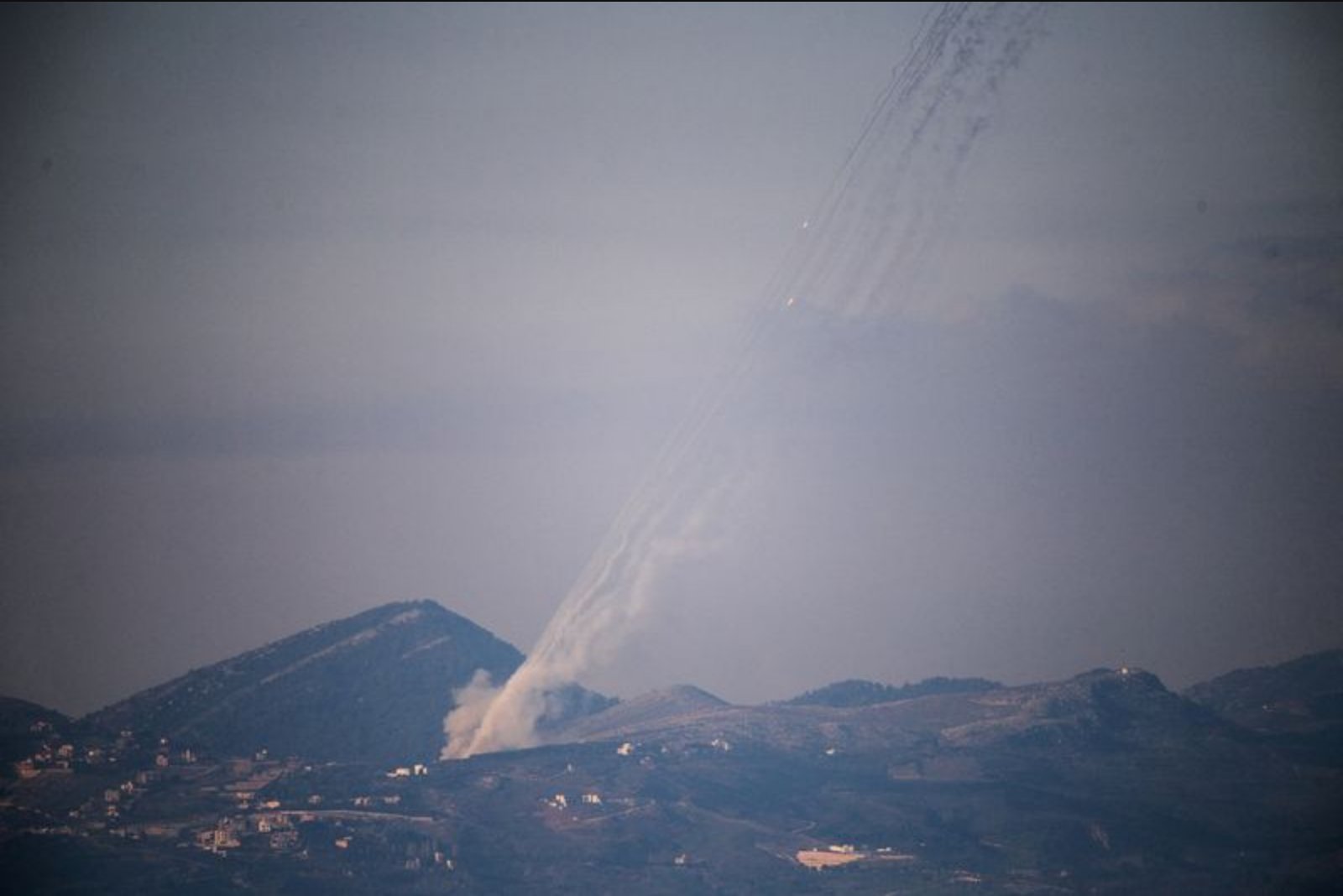
Three Lebanese sources close to Hezbollah said the group halted attacks directed at northern Israel and at Israeli troops operating inside Lebanon in the early hours of Wednesday as part of a U.S.-Iran ceasefire announced earlier. The cessation of fire followed intensive exchanges that have marked the new conflict between Iran-backed Hezbollah and Israel since March 2.
Pakistani Prime Minister Shehbaz Sharif, who served as a key intermediary in the ceasefire negotiations, said the two-week arrangement would encompass Lebanon. It was reported last month that Iran wanted Lebanon included in any deal it made with the United States. Despite those signals, Israeli Prime Minister Benjamin Netanyahu said early on Wednesday that the truce would not extend to Lebanon.
In the hours after the pause, Israel issued a fresh evacuation order affecting one southern city, language officials said indicated the military planned strikes there in the near term. The three Lebanese sources close to Hezbollah said the group was likely to publish a formal statement setting out its position on the ceasefire and responding to Netanyahu's assertion that Lebanon was excluded from the arrangement.
Hezbollah's most recent public message on its operations had been posted at 1 a.m. local time (2200 GMT Tuesday), in which the group said it had targeted Israeli troops inside Lebanon on Tuesday evening.
The toll from Israel's air and ground campaign across Lebanon has been heavy, with more than 1,500 people killed, including 130 children and more than 100 women. Military action and orders for civilians to leave broad areas in the south, the east and Beirut's southern suburbs have driven more than 1.2 million people from their homes.
Lebanon's army on Wednesday urged displaced families to postpone returning to their residences, citing ongoing Israeli strikes and the danger posed by unexploded ordnance left behind in combat zones.
Context and immediate developments
The accounts from the three Lebanese sources indicate a tactical halt in hostilities tied to the U.S.-Iran ceasefire announcement; however, public statements from state and non-state actors differ on whether Lebanon is formally included. Israeli orders for evacuation and the Lebanese army's warnings underscore continued peril for civilians and uncertainty on the ground.
Humanitarian impact
The casualty and displacement figures cited reflect large-scale civilian harm and population movement. More than 1,500 fatalities and over 1.2 million people displaced are reported, and authorities are cautioning that unexploded ordnance continues to pose a significant threat to anyone considering return.
Next steps
Hezbollah is expected to clarify its official stance on the ceasefire and on whether it accepts Israel's contention that Lebanon is not part of the truce. Until formal announcements are made by the parties involved, the security situation and humanitarian needs are likely to remain fluid.