
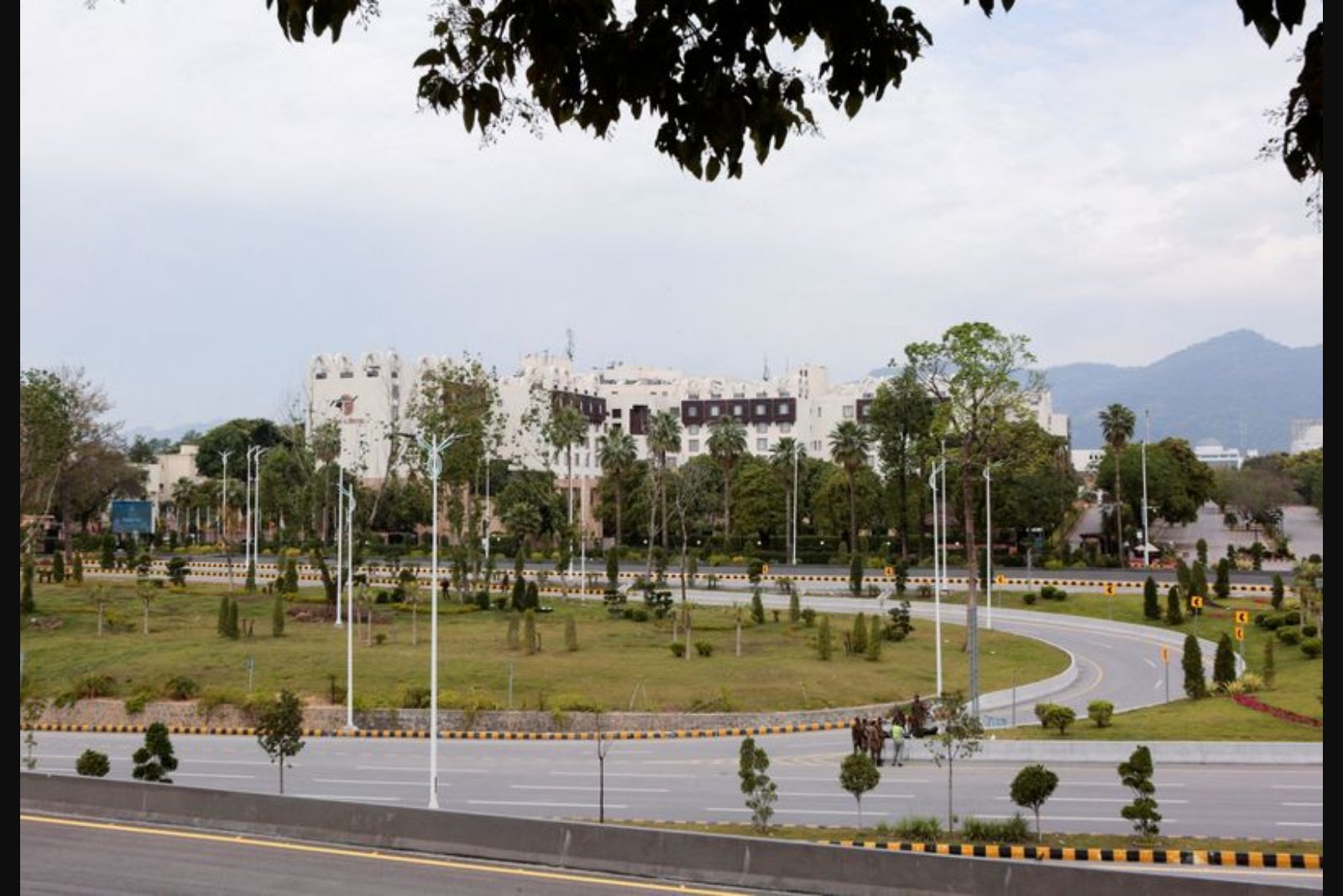
The Serena Hotel in Pakistan’s capital has been transformed from a luxury hospitality property into a highly secured meeting site as officials prepare to host delegations from the United States and Iran for peace talks aimed at ending the Iran war.
Islamabad has been placed under extraordinary security measures ahead of the arrival of U.S. Vice President JD Vance, who is leading the American delegation, and senior Iranian officials. Shops and offices in the city were ordered closed for two days prior to the delegations’ arrival as thousands of security personnel, including paramilitary forces and army troops, established checkpoints and blockades across the capital.
Authorities have cordoned off the Red Zone - the area that contains government offices and embassies - tightening access to key diplomatic and administrative locations. The Serena, situated near the diplomatic quarter, now forms part of that heavily secured landscape.
At first glance the hotel’s manicured grounds and Moorish-inspired architecture seem incongruous with the level of protection now surrounding it. Security officials and former police chiefs interviewed by authorities point to practical reasons why the Serena was selected: its proximity to the diplomatic zone, long experience in hosting prominent visitors and a security team populated largely by retired security personnel.
"Its security staff is well trained as most of them are retired security officials," said former Islamabad police chief Tahir Alam Khan. "The entry and exit points are at an adequate distance from the main compound which enhances its security. And the most important factor is its smooth access from the important places such as the Prime Minister’s House, Parliament House."
A government security source described the hotel’s 15-acre site, which contains more than 400 rooms, multiple banquet halls, conference rooms and an office complex, as able to accommodate hundreds of guests - an arrangement suitable for the U.S. and Iranian delegations, which together comprise over 150 people.
Another former police chief, Kaleem Imam, highlighted the layered nature of protections around the property. "It has multi-layered, strict security checks... lastly it has strong coordination with the state’s security agencies," he said.
The choice of the Serena draws attention in part because Islamabad’s worst militant attack occurred in 2008 at the nearby Marriott hotel. That history underlines the high priority placed on security planning for these talks and the rationale given by officials for concentrating resources on the Serena and on securing the wider Red Zone.
Context and logistics: The hotel’s size and infrastructure are being used to host the delegations and support staff, while citywide measures - including closures and checkpoints - have been implemented to control access and movement during the talks.