
Kampala, Uganda – The health status of Kizza Besigye, an opposition leader currently detained in Uganda, has become critically concerning according to statements from his wife, Winnie Byanyima. Besigye, aged 69, who has been held for over a year following his arrest in Kenya and subsequent extradition to Uganda, is suffering from multiple severe symptoms. These include a sustained high temperature, abdominal pain, dehydration, and a loss of mobility, all of which point to a grave decline in his physical well-being.
Byanyima, who serves as the executive director of UNAIDS, disclosed in an interview at their residence in Kampala that Besigye is enduring intense leg pain and has significantly reduced his food intake. She noted his current inability to walk and his limited eating as critical factors worsening his condition. Despite attempts to seek proper medical care, prison officials have denied Besigye’s requests to be admitted to a private medical facility for thorough treatment and monitoring.
Officials from the Uganda Prisons Service, contacted for commentary, did not provide a response. The government maintains that all detainees charged with crimes have been treated fairly and denies allegations of political persecution. Meanwhile, Byanyima indicated that a physician evaluating Besigye suspects a bacterial infection as the root cause of his illness, although diagnostic results are pending.
Besigye’s case is highly politicized. Once a close ally and personal physician to President Yoweri Museveni, Besigye emerged as a prominent opposition figure challenging Museveni's long-standing rule, running against him in four presidential elections. In the latest election, Museveni secured a fifth term with approximately 72% of the vote, an outcome contested by challenger Bobi Wine on grounds of fraud.
Byanyima described her husband’s detention conditions as harsh — solitary confinement in a cramped, overheated cell with restricted space, compelled to sleep on a thin mattress infested with bedbugs. She emphasized the urgency for access to proper healthcare, underscoring delays in receiving appropriate treatment as a critical threat to Besigye’s life.
Besigye missed a scheduled court appearance recently due to the progression of his health issues. Byanyima accused the authorities of deliberately denying healthcare with the intention of causing harm.
This situation raises significant concerns regarding human rights and the treatment of political detainees in Uganda, adding further tension amidst the country’s ongoing political contestation.
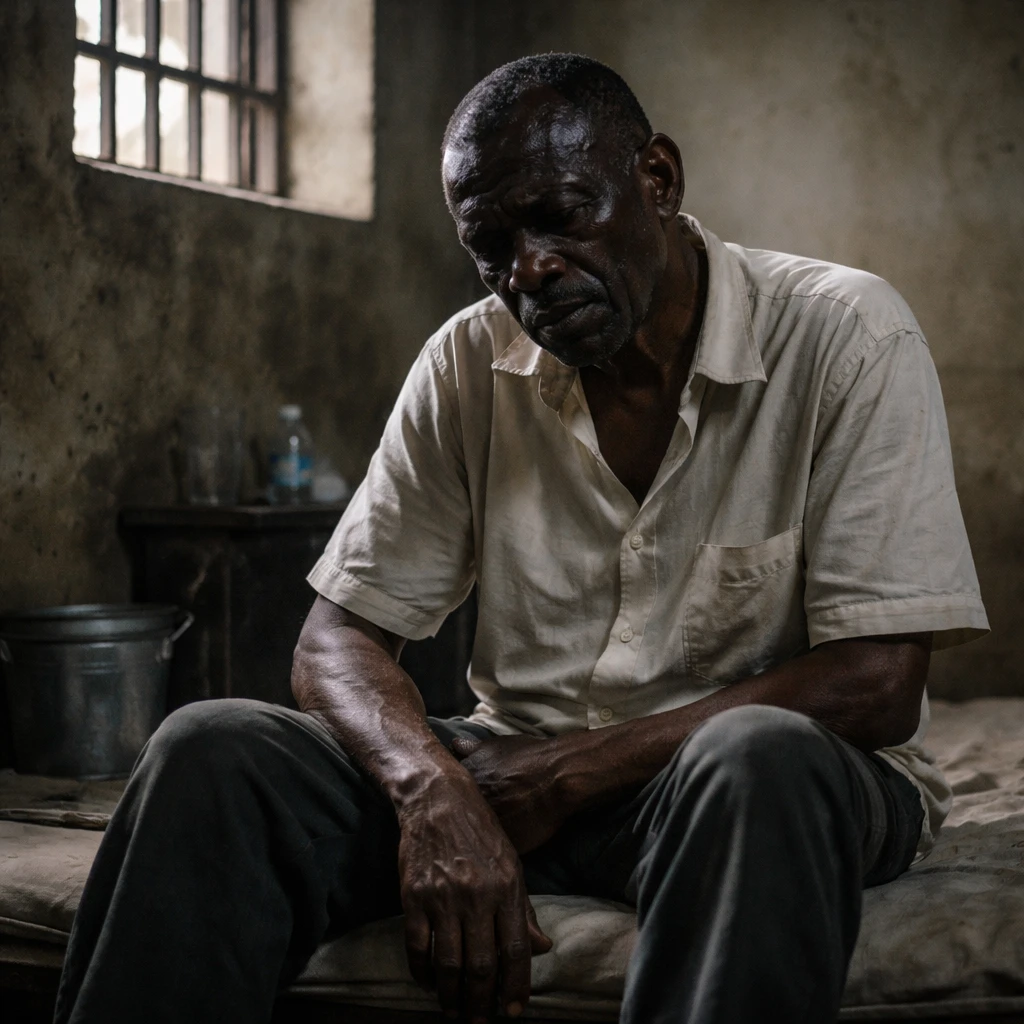
Kizza Besigye, a prominent Ugandan opposition figure detained on charges including treason, is reportedly enduring a serious decline in health characterized by high fever, abdominal pain, dehydration, and mobility issues. Besigye’s wife, Winnie Byanyima, has expressed alarm over his condition and highlighted the denial of adequate medical treatment by prison authorities. His prolonged detention and health are drawing significant attention as political tensions persist following Uganda's recent election.
Key Points
- Kizza Besigye, a detained Ugandan opposition leader charged with treason, is experiencing serious health complications including high fever and mobility issues.
- Winnie Byanyima, Besigye’s wife, reports denial of adequate medical care by prison authorities despite suspected bacterial infection.
- Besigye is held under harsh conditions, including solitary confinement on a bedbug-infested mattress, raising concerns about human rights and political repression.
Risks
- The deterioration of Besigye’s health poses a serious risk to his life amid limited medical intervention, highlighting potential human rights abuses.
- Ongoing political tensions and disputed elections increase uncertainty in Uganda’s political stability, affecting governance and investor confidence.
- Denial of healthcare to political detainees may lead to international scrutiny and potential sanctions, impacting Uganda’s diplomatic relations.