
Colombian tourist Ramiro Escobar, 68, finally made a long-delayed trip to Cuba last week and toured the island’s most famous sites, including the sands of Varadero. Despite the visible strains on the economy and recurring fuel shortages, Escobar described his visit positively. "It’s true the country is in crisis, but there are still services and my experience here has been very good," he said. "I’ve had a great time here."
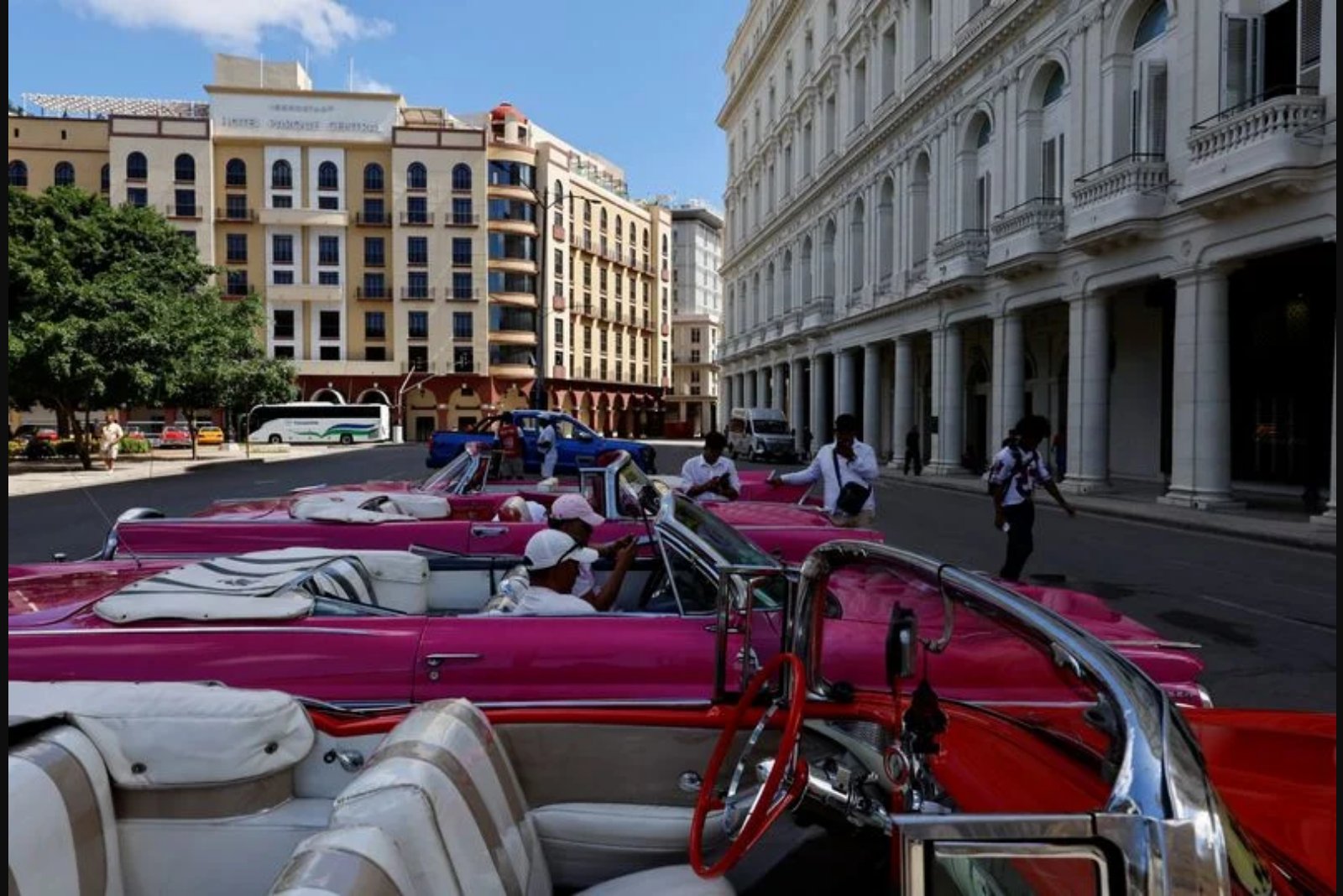
Yet the scenes Escobar encountered are increasingly rare. In a full morning spent in Old Havana earlier this week, Reuters located only six foreign visitors, mostly from other Latin American nations. Hotels, restaurants, museums and streets that once thrummed with international travelers are now largely empty.
Tourism in Cuba has struggled to regain its footing since the COVID-19 pandemic. International arrivals have not recovered to anywhere near their 2018 peak of 4.75 million, and the situation has deteriorated this year amid renewed pressure from the United States and operational difficulties across the travel ecosystem. As Washington has signaled the possibility of military action and tightened sanctions on Cuba’s government, many of the largest foreign travel and hospitality firms have scaled back or exited the market.
Since May, Spain’s Melia and Iberostar - the two largest foreign hotel chains on the island - said they would reduce the number of properties they operate in Cuba. Canadian firm Blue Diamond withdrew entirely. Major airlines have suspended routes: Spain’s Iberia and World2Fly, Russia’s Rossiya, and Canada’s WestJet and Air Canada stopped flying to the island, citing unreliable jet fuel supplies. In addition, credit card networks Visa and Mastercard halted operations in Cuba as of last week.
Those who still travel to Cuba sometimes find sharply reduced prices at large all-inclusive resorts - rooms can be available for as low as $50 a night - but the lower rates come with notable service and maintenance shortfalls. Guests may encounter broken elevators, poorly maintained rooms and sparse choices at buffets.
"Tourists are afraid to come here," said Adianet Labrada, a representative for the Cubatur agency. "I used to have many groups from all over the world visiting us regularly, but following the sanctions and the threat of military aggression, I lost practically all of them." According to Cuba’s national statistics agency ONEI, 328,608 international visitors arrived in the first months of this year - fewer than half the number recorded during the same period a year ago, and far below pre-pandemic levels.
For Cuban small business owners reliant on tourist footfall, the drop in international visitors has already prompted closures and steep price adjustments. Jairan Lombira, manager of La Vitrola cafe in Old Havana, said he has introduced a 50% discount in an effort to draw customers - foreign or domestic - and avoid having to close. "We are now focusing on attracting the domestic market while waiting for things to improve," Lombira said.
Many privately run hostels and restaurants report they cannot sustain operations under current conditions and have already shut their doors. The loss of foreign chains and the withdrawal or reduction of airline services has not only cut visitor numbers but also disrupted supply chains and payment flows that small enterprises depend on.
Visitors who do come to Cuba still notice resilience and community solidarity in some places. Argentine photographer Valerio Bispuri, who visited Santiago - a 12-hour road journey from Havana - said he observed strong social bonds despite food shortages and hardship. "There is hunger, but from what I’ve seen these past few days, they can pull through," Bispuri said, praising the Cuban people and their culture.
The debate over the root causes of Cuba’s economic difficulties remains sharply divided in public statements. The administration of U.S. President Donald Trump blames the Cuban government for corruption and incompetence and supports tougher sanctions. Cuba, for its part, points to decades of U.S. sanctions as the primary driver of its economic distress.
Operational constraints - from power blackouts to fuel shortages - compound the effects of policy and market exits. The combined impact is visible across tourism-related sectors: lower occupancy and revenue for hotels, fewer passengers for airlines, reduced work for tour operators and declining demand for restaurants and souvenir sellers. Payment disruptions following the suspension of Visa and Mastercard further complicate transactions for travelers and local businesses alike.
For now, many businesses are pivoting - offering discounts, courting domestic customers or scaling back operations - while the outlook for a return to previous visitor levels remains unclear. The fragile recovery from the pandemic appears to have stalled, and with major foreign operators shrinking their presence on the island, Cuba’s tourism economy faces a prolonged and uncertain adjustment period.