
World June 23, 2026 03:56 PM

Federal Court Hands 100-Year Term to Alleged Organizer of Texas Immigration Center Attack

Seven others receive lengthy prison terms for July 4 violence at Prairieland Detention Center amid dispute over group’s motives

By Avery Klein
Share
Twitter Reddit Facebook LinkedIn

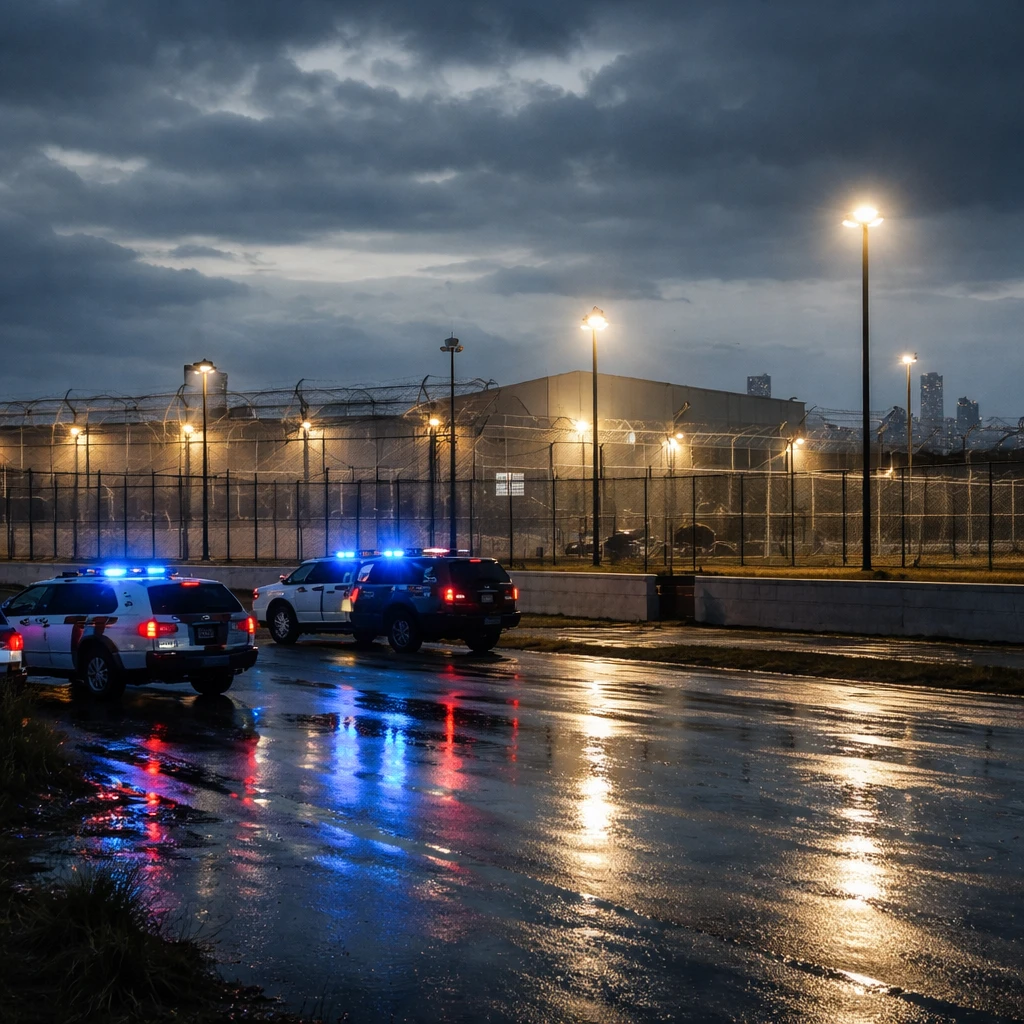
A U.S. district court in Fort Worth on Tuesday imposed prison sentences ranging from 30 to 100 years on eight people convicted in last year’s armed attack at the Prairieland Detention Center in Alvarado, Texas. Prosecutors described the July 4, 2025 incident as domestic terrorism; the leader, Benjamin Song, received a 100-year term after a conviction for attempted murder.

Federal Court Hands 100-Year Term to Alleged Organizer of Texas Immigration Center Attack
Summarize with
ChatGPT Perplexity Claude Grok Gemini

Key Points

  • Eight defendants received sentences between 30 and 100 years for violence at the Prairieland Detention Center on July 4, 2025.
  • Benjamin Song, convicted of attempted murder and identified by prosecutors as the operation’s organizer, was sentenced to 100 years.
  • Defense lawyers say the event was intended as a peaceful protest and deny organizational ties to antifa; Song’s lawyer said he will appeal.

Federal judges in Fort Worth on Tuesday sentenced eight defendants to prison terms between 30 and 100 years for their roles in a violent episode at a Texas immigration detention facility last year that prosecutors characterized as domestic terrorism.

Prosecutors said that on July 4, 2025, individuals they identified as antifa militants, clad in black tactical gear, opened fire on law enforcement officers at Immigration and Customs Enforcement’s Prairieland Detention Center in Alvarado, Texas, roughly 25 miles south of Fort Worth. The shooting wounded a police officer, according to court filings.

Benjamin Song, convicted of attempted murder and described by prosecutors as the organizer of the operation, received the longest sentence - 100 years behind bars, court documents show.

In hearings held in U.S. District Court in Fort Worth, two judges pronounced sentences ranging from 30 to 70 years for seven additional defendants. Most of those individuals were convicted in March on counts that included rioting and supporting terrorism, the filings state.

Defense attorneys countered that the group had intended to stage a peaceful demonstration in support of people detained at the immigration facility and denied any formal link to antifa, a decentralized anti-fascist movement. The article of record notes that President Donald Trump designated antifa as a domestic terrorist organization last year.

Song’s attorney, Philip Hayes, was quoted by media as saying that Song plans to appeal. Hayes also argued that those convicted were not terrorists, describing them as "a bunch of kids and young adults who really have a really big heart and really wanted their voice to be heard," according to media reports.

The other defendants sentenced Tuesday were identified as Autumn Hill, Zachary Evetts, Savanna Batten, Meagan Morris, Maricela Rueda, Elizabeth Soto and Daniel Rolando Sanchez-Estrada. One more defendant, Ines Soto, is scheduled for sentencing in July.

Requests for comment were not immediately answered by the defendants' lawyers or by the U.S. Justice Department, according to the filings.


Context and legal posture

The court filings and sentencing hearings document the government’s view of the July 4, 2025 incident as an act falling within its domestic terrorism framework, while defense counsel maintain the participants intended a peaceful protest and dispute the characterization.

Risks

  • An appeal is expected - Song’s attorney said Song intends to appeal, which could alter final outcomes in the case; this affects legal and corrections sectors.
  • One sentencing remains pending - Ines Soto is due to be sentenced in July, leaving part of the matter unresolved; this maintains legal uncertainty for the defendants and judicial system.
  • Conflicting narratives persist - prosecutors label the attack domestic terrorism while defense attorneys describe a planned peaceful protest, presenting continuing disputes over motive and legal classification; this has implications for law enforcement and immigration enforcement policy debates.

More from World

U.S. Aim to Preserve Momentum and Protect Key Players Against Already-Eliminated Turkey Jun 23, 2026 U.S. Department of Homeland Security Eases Travel Window for Iran World Cup Squad Ahead of Seattle Match Jun 23, 2026 U.S. Expands Sanctions Over Southeast Asia Scam Network Linked to Prince Group Jun 23, 2026 Moscow Says Washington Has Fallen Short of Alaska 'Understandings' Jun 23, 2026 Peruvian runoff standoff as Sanchez rejects narrow deficit, alleges fraud Jun 23, 2026