
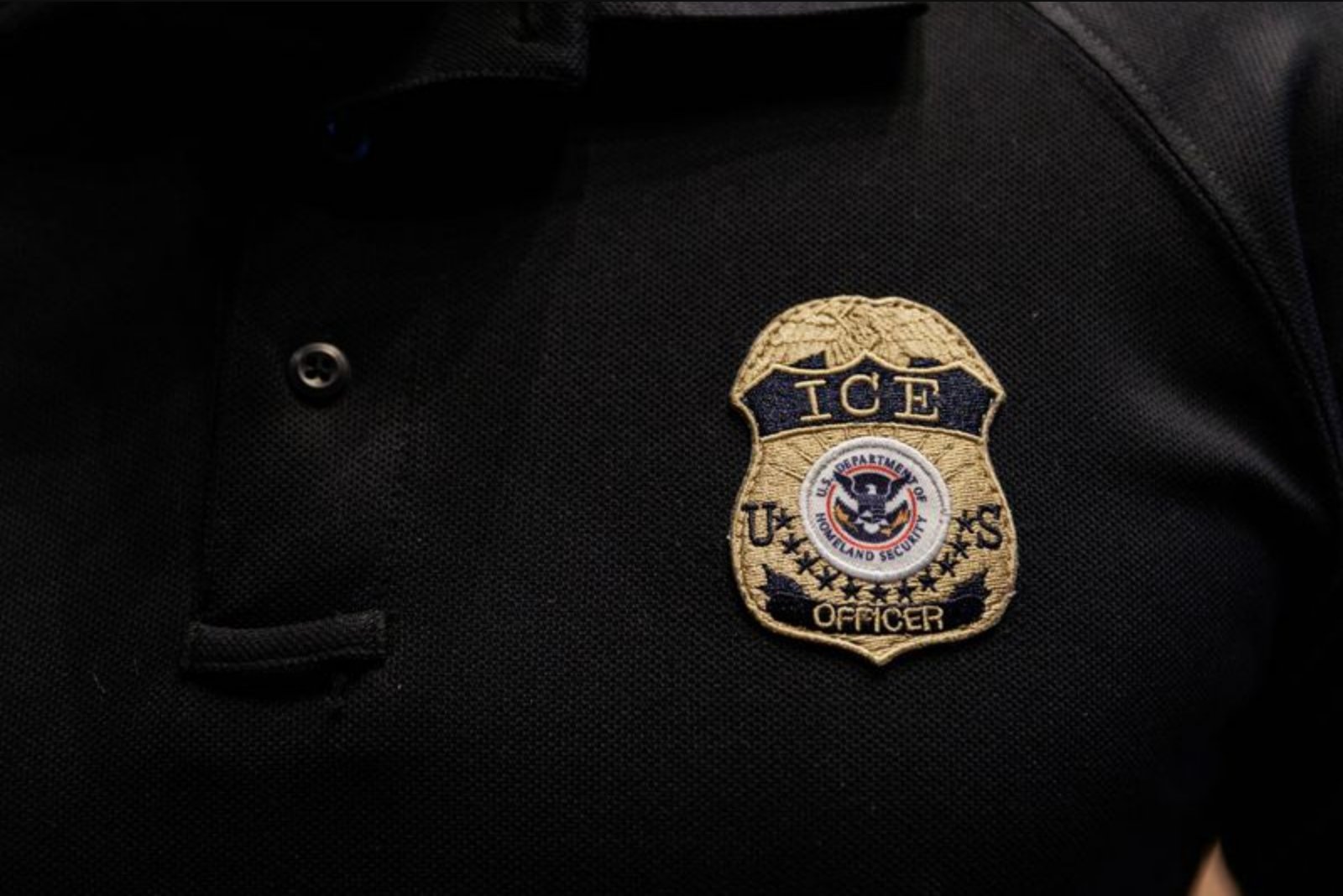
Ecuador's Foreign Ministry reported that an agent from U.S. Immigration and Customs Enforcement (ICE) attempted to gain access to the country's consulate in Minneapolis on Tuesday but was prevented from entering by consular staff.
In a formal statement, the ministry said it had sent a note of protest to the U.S. Embassy in Quito, urging that similar incidents not recur. The statement carried a headline describing the episode as an "attempted incursion into the Ecuadorean Consulate in Minneapolis by ICE agents." The ministry said consulate personnel acted to avert entry and thereby ensured the protection of Ecuadorean nationals who were inside the building at the time.
The consular ministry provided limited additional detail about the incident. It did say, however, that consular staff physically prevented the ICE agent from entering the premises.
Officials at the State Department and at the Department of Homeland Security, which oversees ICE and the U.S. Border Patrol, did not immediately provide comment when asked.
Eyewitness accounts from people working in retail establishments near the consulate corroborated elements of the ministry's account. One woman, who asked not to be named and said she feared retribution by the federal government, told reporters she saw immigration officers pursue two people on the street. She said those individuals ran into the consulate and that agents then attempted to follow them inside.
"I saw the officers going after two people in the street, and then those people went into the consulate and the officers tried to go in after them," she said.
She added that, based on what she observed, the agents "weren't able to enter the consulate, from what I could see."
The episode took place against the backdrop of a large-scale enforcement campaign in Minneapolis that has been labeled Operation Metro Surge. That deployment involved roughly 3,000 heavily armed agents from ICE and the U.S. Border Patrol sent to Minnesota under the direction of the president several weeks earlier.
Operation Metro Surge has coincided with two fatal shootings of U.S. citizens on the streets of Minneapolis, events that have prompted weeks of protests both in the city and in other parts of the country. As public pressure mounted for a reduction in tensions, the administration's border czar, Tom Homan, met with the mayor of Minneapolis and the governor of Minnesota in an effort to calm the situation.
Under international law, embassies, consular offices and other diplomatic compounds are regarded as sovereign territory of the state they represent and are protected by diplomatic immunity from unauthorized entry by agents of another government. The Ecuadorian Foreign Ministry's statement invoked that protection in describing the significance of the consulate staff's actions.
At this time, the ministry has limited its public comments to the protest note and the brief statement describing the attempted entry and the protection of Ecuadorean nationals. No further operational details have been released.