
World January 27, 2026

Dubai Unveils 100 Billion Dirham Plan to Grow Its Financial District

DIFC to add 17.7 million sq ft in phased build-out, targeting completion by 2040 amid rising demand from overseas firms

By Hana Yamamoto
Dubai Unveils 100 Billion Dirham Plan to Grow Its Financial District

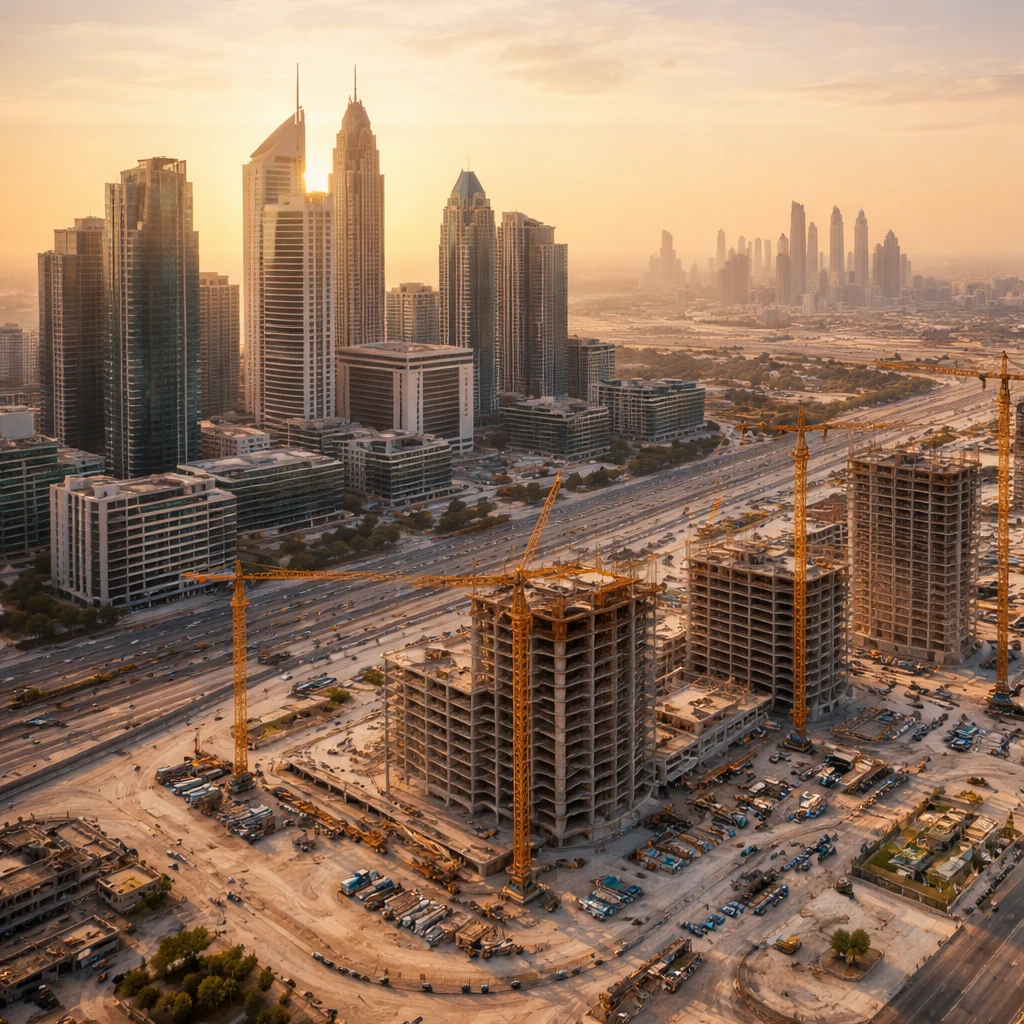
Dubai has outlined plans to invest over 100 billion dirhams (about $27 billion) to expand the Dubai International Financial Center. The project, named DIFC Zabeel District, will add 17.7 million square feet to the existing financial hub in a six-phase development scheduled for completion in 2040 as the center works to absorb strong demand from international firms.

Key Points

  • The DIFC Zabeel District will add 17.7 million square feet to the existing 110-hectare hub, increasing total capacity for financial services firms.
  • The expansion is funded at more than 100 billion dirhams (about $27 billion) and will be delivered across six phases with completion planned for 2040 - sectors impacted include financial services, commercial real estate, and construction.
  • DIFC's growth has been rapid: from 19 firms and 75 employees at inception to over 7,700 companies and roughly 48,000 employees by the first half of last year, with more than 100 hedge funds and nearly 500 wealth and asset managers now present.

Dubai is moving forward with a major expansion of its international financial hub, allocating in excess of 100 billion dirhams - roughly $27 billion - to enlarge the Dubai International Financial Center (DIFC). Officials plan to build a new district across from the original DIFC campus, which first opened in 2004.

The expansion has been branded DIFC Zabeel District. According to a presentation on the project, the new area will contribute 17.7 million square feet of space to the current hub, which today occupies 110 hectares - equivalent to about 11.8 million square feet.

Work on the enlarged financial district will unfold in six distinct phases, with the entire program scheduled for completion in 2040. The phased approach is intended to manage delivery across a multi-decade timeline as the city scales capacity to meet demand.

The decision to expand comes as the center has seen rapid growth since it was founded. The DIFC began with a modest footprint of 19 firms and 75 employees. By the first half of last year, that footprint had grown to host more than 7,700 companies and roughly 48,000 employees.

Demand from international firms has been identified as a key driver of the expansion - current facilities have reached capacity as overseas companies seek a presence in the emirate. Dubai's attractiveness to global wealth has increased in recent years, with factors cited by market participants including a low-tax environment and streamlined processes for setting up businesses.

The financial hub currently accommodates a sizable cluster of alternative and wealth management activity. It houses offices for more than 100 hedge funds and nearly 500 wealth and asset managers, reflecting its role as a regional center for investment and private wealth services.


Context and implications

The scale and timing of the DIFC Zabeel District project signal a long-term commitment to growing Dubai's financial services infrastructure. The additional 17.7 million square feet will materially increase office and related capacity within the hub, enabling more international firms and asset managers to establish operations in the city.

Because the expansion is structured as a six-phase program stretching to 2040, stakeholders can expect a staggered flow of new space and associated economic activity over the coming years.

Risks

  • Capacity strain is a driver of the project - current facilities are at capacity, indicating near-term constraints for financial firms until new space is delivered - this affects the financial services and commercial real estate sectors.
  • The long timeline - with completion scheduled for 2040 - introduces execution and timing risk, as phased delivery across many years can be susceptible to delays and changing market conditions - this impacts construction and real estate markets.
  • Phased development over six stages means the benefits will materialize gradually, creating uncertainty for firms seeking immediate expansion - this affects corporate planning within financial services and asset management firms.

More from World

U.S. Olympic hospitality site renamed 'Winter House' after protests over ICE shootings Feb 2, 2026 Greenland’s premier says U.S. still aims for control despite ruling out military action Feb 2, 2026 Kremlin says Russia has long offered to process or store Iran’s enriched uranium Feb 2, 2026 Long-Awaited Rafah Reopening Prompts Hope and Anxiety Among Palestinians Stranded Across Border Feb 2, 2026 Rafah Reopens but Core Questions Persist Over Implementation of Trump’s Gaza Blueprint Feb 2, 2026