
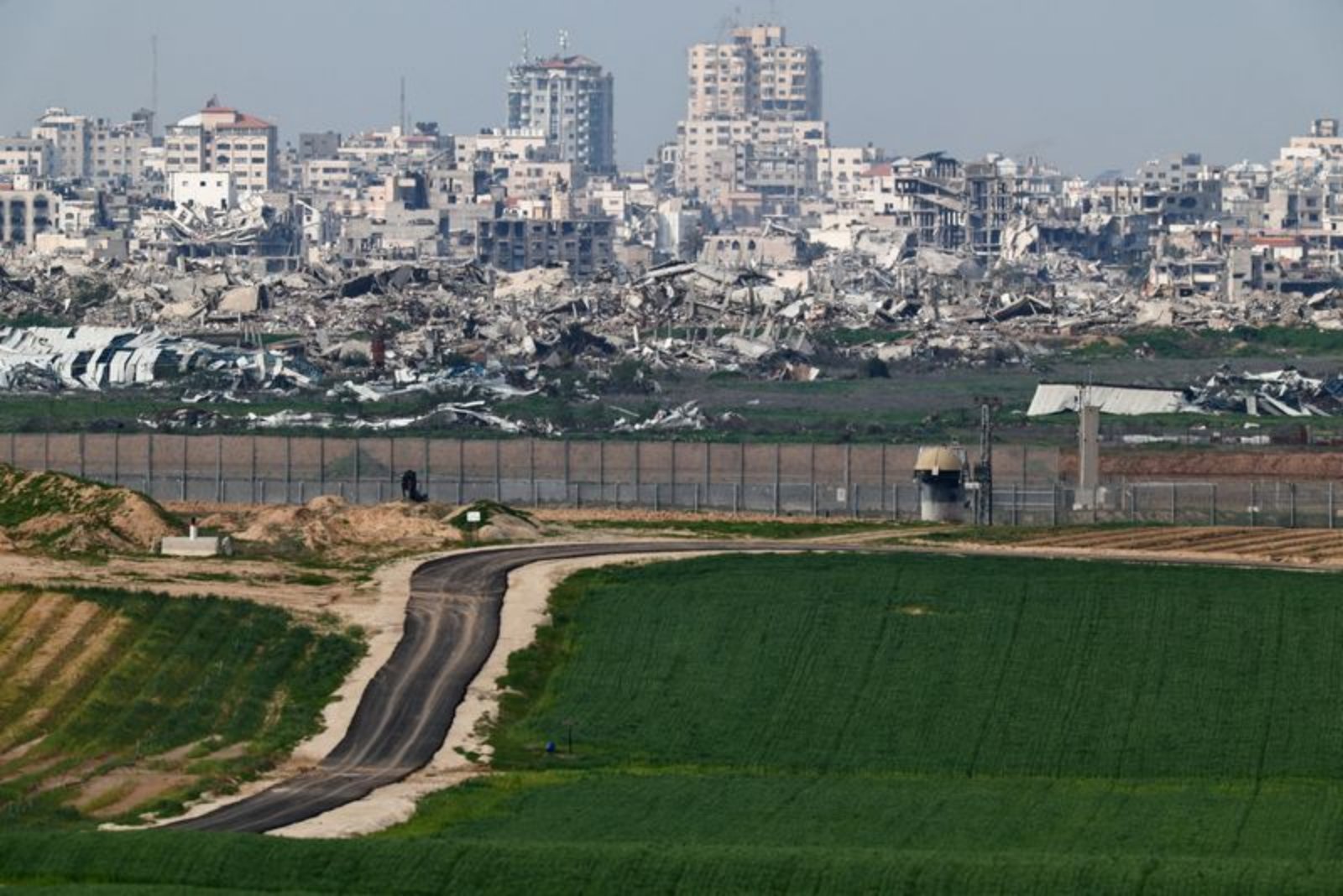
Governments and private contributors are holding back on pledges for a U.S.-backed Gaza reconstruction effort because they remain unconvinced that Hamas will disarm in a way that prevents the enclave from returning to full-scale conflict, multiple officials and diplomats told sources close to the planning process.
The reconstruction plan, advanced publicly last month by Jared Kushner and framed around a so-called Board of Peace chaired by the U.S. President, makes the laying down of weapons by Hamas a central condition. Under the plan, Israeli forces would withdraw as disarmament proceeds and an international-led board would oversee rebuilding. Reopening of Gaza’s Rafah crossing with Egypt this week provided a logistical boost to the idea, but planners say concrete disarmament talks that would unblock financing have not yet begun.
Two individuals familiar with the Board of Peace’s planning told interlocutors that countries were reluctant to commit money until they were confident disarmament was happening. One of those sources said donors want assurance that reconstruction funds will be deployed in demilitarized zones rather than simply being poured into areas that could again become active battlefields.
Seven Western diplomats described an additional sticking point: some potential funders prefer the United Nations to manage contributions rather than the Board of Peace. That demand, according to the diplomats, has contributed to the funding hold-up, which had not been previously reported.
The pause in pledges leaves Gaza’s population, already living amid widespread destruction, without the resources needed to begin clearing rubble or restoring basic services. Donors and officials warn that the fragile truce established in October remains vulnerable; repeated Israeli strikes have undermined confidence that calm will hold and have fed concern that heavy fighting could resume.
Potential supporters under consideration include both states and private sector actors. Planners have suggested the eventual bill for rebuilding could be in the region of $100 billion. That sum, as presented by Kushner at the World Economic Forum in Davos, would be used to construct a reimagined Gaza - a so-called New Gaza - featuring seafront residential towers, data centres and industrial parks, rebuilt from the ground up. The plan does not include provisions for direct compensation to Palestinians whose homes were destroyed, and at least two diplomats cautioned that it is unclear how land rights would be handled under the proposal.
Mr. Kushner said in Davos that a Washington event would be convened in the coming weeks to announce private sector contributions. But people involved in planning the Board of Peace told interlocutors that no firm date for such a funding conference has been set. "In the meantime, we’re not waiting for the event. There is discussion one on one," one source said, declining to identify specific donor targets.
A senior European diplomat told the planners that no European or Western country had yet committed funds to Gaza’s reconstruction. That diplomat said Europe lacks the fiscal capacity to underwrite the plan alone and that political opposition within Europe to increased foreign aid is growing. The diplomat suggested serious private capital would be required to advance the initiative.
Wealthy Gulf states, several sources said, have likewise been cautious. Representatives from oil-rich Gulf Arab states have indicated hesitation about financing reconstruction absent a broader political settlement that includes progress on disarmament by Hamas.
Representatives for the Board of Peace and for its Palestinian technocratic committee did not immediately provide comment to requests related to the planning and funding process.
Security and financing considerations are tightly linked in planners’ thinking. After a two-year Israeli assault that left much of Gaza in ruins and weakened Hamas, Western intelligence assessments cited in planning discussions estimate that the group still holds rockets, numbered in the hundreds, and thousands of light weapons, including rifles. Israeli officials say they do not believe Hamas will abandon its arms voluntarily and that the military is preparing for the possibility of renewed large-scale operations.
The initial phase of the U.S. plan left Hamas controlling just under half of Gaza, where it exercises policing functions and has reasserted local authority. Israeli authorities have accused Hamas of plotting or attempting attacks against Israeli forces, prompting strikes that have resulted in hundreds of deaths. Hamas has indicated a willingness to discuss disarmament with other Palestinian factions, but, according to two Hamas officials, neither Washington nor regional mediators have presented a concrete or detailed disarmament proposal to the group.
People involved in Board planning said securing private sector financing would be difficult without at least partial, demonstrable progress toward disarmament. One planning source described a concept of "peace area pricing" - implying that financiers would adjust the cost of capital to reflect the security risk in particular areas. The source said this approach would not require full completion of a disarmament process before any rebuilding begins, but that donors want to see real, cooperative steps toward disarmament to reduce financing risk.
Operational planning inside Gaza includes immediate tasks such as clearing large quantities of rubble and war debris. One planning source and a U.S. official familiar with the matter said the Board of Peace had entered talks with a range of parties about contract awards for debris removal. Several such contracts could be awarded, they said, with the eventual objective that tenders and contract management would be transferred to a Palestinian technocratic body under the Board’s oversight.
That initial rubble-clearing work is estimated to involve removing approximately 68 tonnes of debris. The sequencing of clearing, reconstruction and disarmament remains a core concern for potential funders, who are weighing security assurances, governance arrangements and the mechanisms for disbursing and overseeing funds.
Until donors are reassured that reconstruction dollars will not be funneled into insecure areas or used in ways that risk reigniting the conflict, planners say financial commitments are likely to remain limited. The combination of outstanding governance questions, diverging donor preferences on fund management, and the absence of an agreed, detailed disarmament formula for Hamas have, according to officials and diplomats, put a major international rebuilding initiative on hold.