
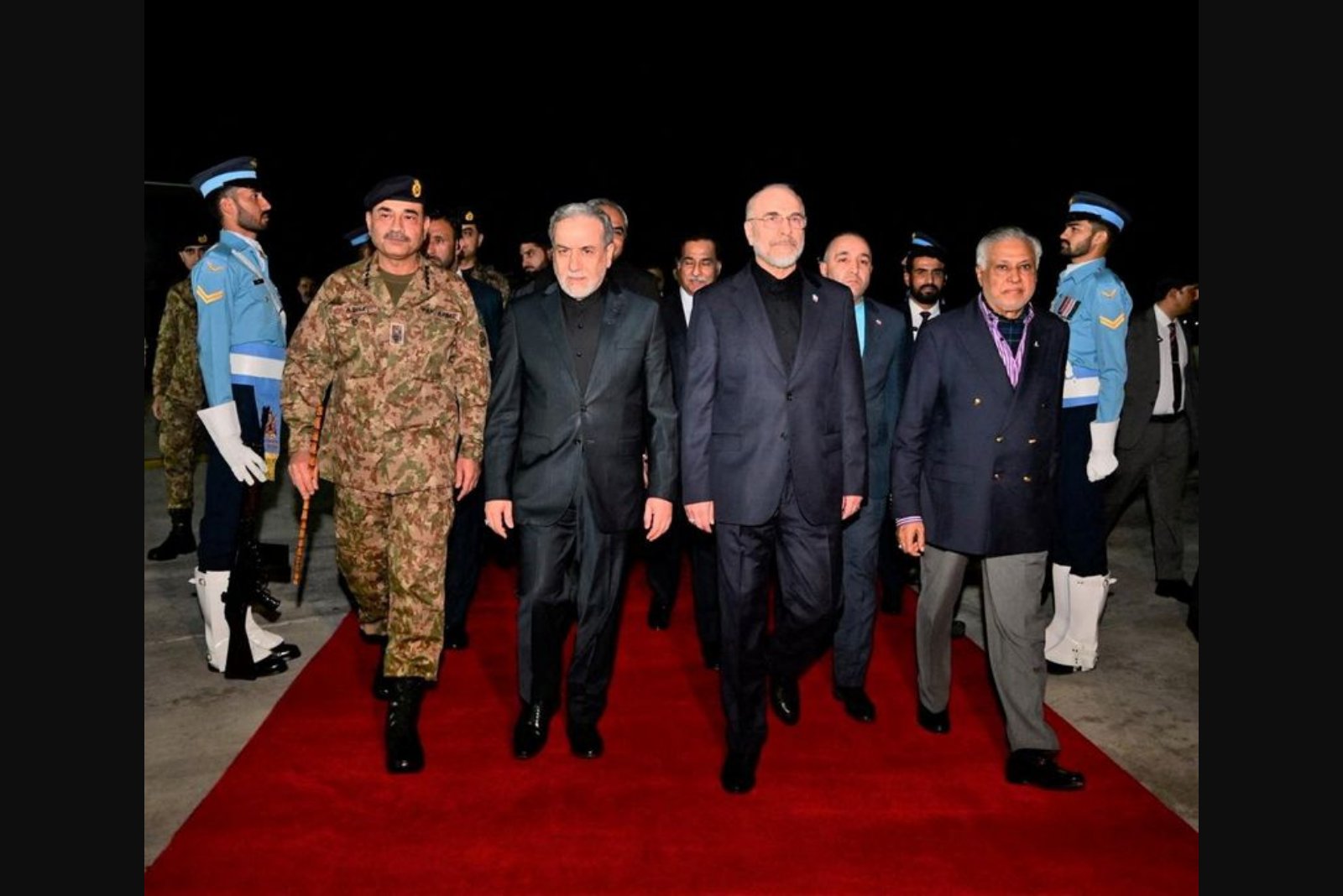
ISLAMABAD, April 11 - U.S. and Iranian delegations arrived in Pakistan on the weekend to pursue negotiations aimed at ending a six-week war, but Tehran raised immediate conditions that threatened to delay the opening of talks. Iran said it would not begin formal negotiations until Washington enacted prior commitments related to Lebanon and sanctions, a stance that risked stalling a diplomatic effort convened in the Pakistani capital.
The U.S. delegation was led by Vice President JD Vance and included President Donald Trump’s special envoy Steve Witkoff and Jared Kushner, Trump’s son-in-law. The team travelled after a refuelling stop in Paris. Iran’s delegation arrived on Friday and was led by parliamentary Speaker Mohammad Baqer Qalibaf and Foreign Minister Abbas Araqchi.
Information from Iranian officials indicated a key sticking point: Qalibaf said on the social media platform X that Washington had previously agreed to unfreeze Iranian assets and to secure a ceasefire in Lebanon. He said the Iranian side would not commence talks until "those pledges were fulfilled." Iran has consistently framed the conflict in Lebanon - where Israeli operations against Hezbollah have resulted in nearly 2,000 deaths since March - as integral to any wider cessation of hostilities, while Israel and the United States have maintained that the Lebanon campaign falls outside the scope of a bilateral Iran-U.S. ceasefire.
State media also relayed comments attributed to Qalibaf that suggested Iran was open to reaching an accord if offered a "genuine agreement" that recognized Iranian rights. The White House did not provide an immediate response to Iran’s listed demands. President Trump posted on social media asserting that the Iranians had little leverage, writing, "The Iranians don’t seem to realize they have no cards, other than a short term extortion of the World by using International Waterways. The only reason they are alive today is to negotiate!"
As the U.S. delegation departed for Pakistan, Vice President Vance told reporters he anticipated a positive result, but warned against attempts to manipulate the process, saying: "If they’re going to try to play us, then they’re going to find the negotiating team is not that receptive."
Security in Islamabad was unusually tight ahead of what Pakistan’s prime minister Shehbaz Sharif described as "make-or-break" negotiations. Thousands of paramilitary troops and army personnel were deployed across the city to secure the environment for the visiting delegations.
Earlier in the week, President Trump announced a two-week ceasefire in the conflict, which paused U.S. and Israeli air operations against Iran. The ceasefire, however, did not end Iran’s blockade of the Strait of Hormuz, which has caused what the article described as the largest-ever disruption to global energy shipments. The blockade, together with ongoing hostilities in Lebanon, means the region remains volatile even during the ceasefire period.
On the Lebanese front, fighting persisted. Officials reported continued Israeli strikes across southern Lebanon. President Joseph Aoun said one strike on a government building in Nabatieh killed 13 members of Lebanon’s state security forces. Hezbollah confirmed it responded with rocket salvos directed at northern Israeli towns.
Adding complexity, Israel’s ambassador to the U.S., Yechiel Leiter, and Lebanon’s ambassador to the U.S., Nada Hamadeh Moawad, were scheduled to meet in Washington on Tuesday. Lebanese presidential statements said the two diplomats had spoken by phone and agreed to discuss a ceasefire announcement and scheduling of bilateral talks under U.S. mediation. Israel’s embassy in Washington, however, described the planned engagement as the start of "formal peace negotiations" while reiterating that it had declined to negotiate a ceasefire with Hezbollah.
Hours after the ceasefire was declared, Lebanese authorities said Israel carried out the largest strike of the conflict to date, with surprise attacks on densely populated areas that killed more than 350 people.
Tehran’s negotiating agenda reportedly included substantial demands beyond the immediate cessation of hostilities. Iran sought an end to sanctions that had significantly impaired its economy and called for formal recognition of its authority over the Strait of Hormuz. That demand implied a shift in regional control over a strategic maritime chokepoint and a move toward collecting transit fees and controlling access - changes that would alter regional power dynamics if realized. On Friday, Iranian ships were passing through the strait without interference, while vessels from other countries remained restricted.
Disruption to energy supplies stemming from the strait blockade has fed higher inflation and slowed global economic activity, the article noted, and analysts anticipate that the effects could persist for months even if negotiators eventually reopen the waterway.
The negotiations followed a defiant message from Iran’s new Supreme Leader, Ayatollah Mojtaba Khamenei. In remarks reported on Thursday, Khamenei - who has not been seen publicly since taking over after his father was killed on the war’s first day - said Iran would demand reparations for wartime damage, stating: "We will certainly not leave unpunished the criminal aggressors who attacked our country."
Despite President Trump’s statements of victory and claims that Iran’s military capabilities had been degraded, the conflict fell short of achieving many of the explicit goals initially articulated by Washington. According to the information in the article, Iran continues to possess missiles and drones capable of striking neighbouring countries and holds a stockpile of more than 400 kg of uranium enriched close to weapons-grade levels. The country’s clerical leadership, despite facing a popular uprising months earlier, endured the military campaign with no sign of organised internal opposition.
As delegations prepared for talks, the immediate diplomatic picture was marked by mistrust over scope and sequencing. Tehran’s insistence on prior commitments over Lebanon and sanctions presented a clear barrier to an agreed agenda. Meanwhile, the humanitarian toll in Lebanon, the continued closure of the Strait of Hormuz to many commercial vessels, and contested definitions of what a ceasefire should entail suggested that even with delegates in the same city, a durable settlement would demand difficult trade-offs.
The outcome of the Islamabad meetings remained uncertain at the time of reporting, with both sides publicly projecting confidence while simultaneously signalling conditions that could stall formal negotiations. For global markets and countries dependent on uninterrupted energy transit, the talks were consequential - and the risk of renewed disruption remained a central concern until pledges were implemented and mechanisms for monitoring compliance established.