
The fatal shooting of a Minneapolis man on a January Saturday has added to a mounting tally of deaths connected to federal immigration enforcement activity this month, intensifying scrutiny of an expanding crackdown and fueling public backlash.
Officials say the incident was one of five shootings during January involving federal agents conducting immigration operations. The month has also seen at least six deaths in federal immigration detention, a rate observers describe as unusually rapid compared with recent periods.
The federal push has been scaled up dramatically by the administration, which has allocated $170 billion to immigration agencies through September 2029. The heightened enforcement has placed Minneapolis at the center of the campaign this month, where authorities have deployed roughly 3,000 agents. Local officials have characterized the presence as an occupation, while the White House defends the operations as necessary to remove criminals from the country.
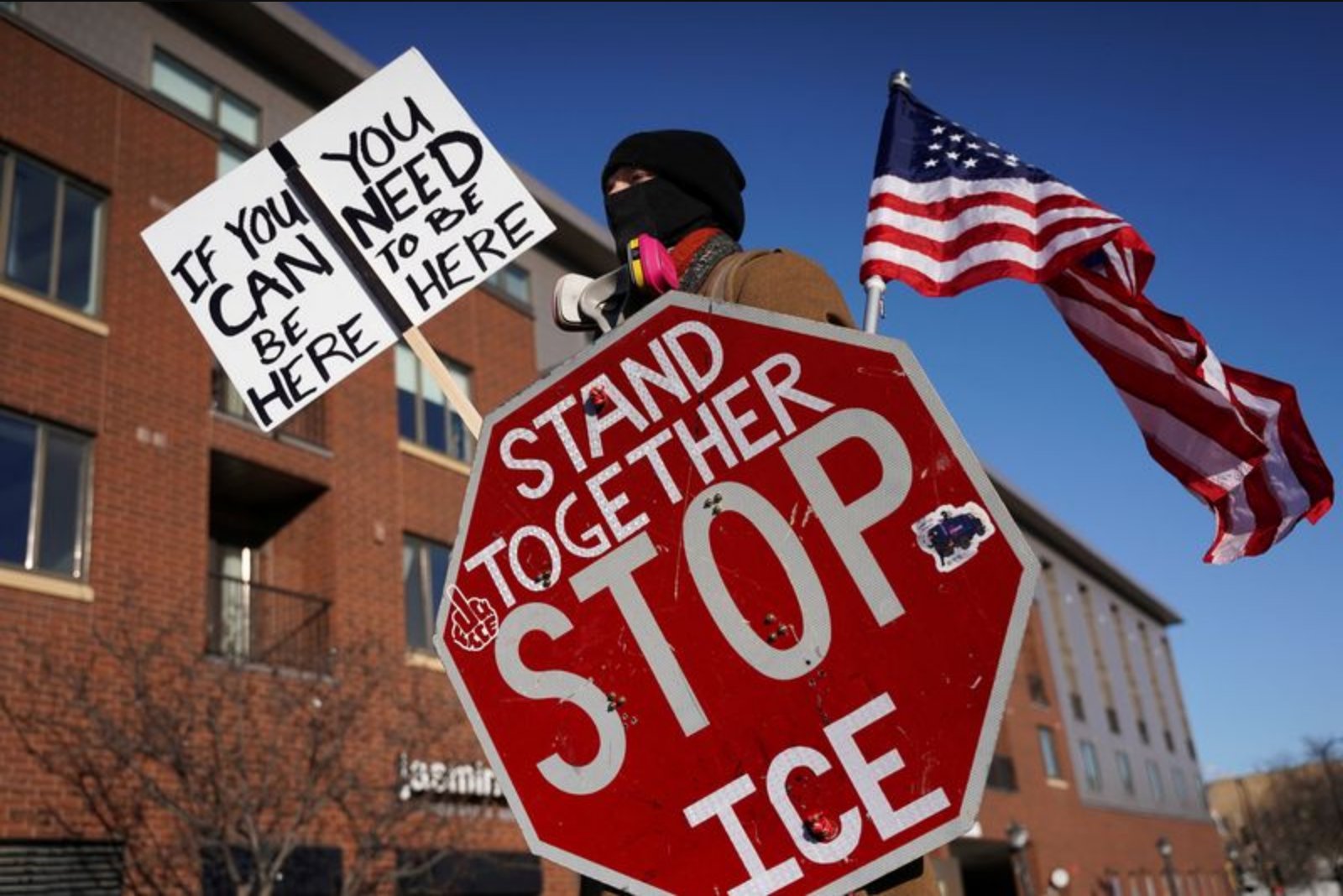
Large protests have followed the deployments. Despite sub-zero temperatures on a recent Friday, thousands of demonstrators filled Minneapolis streets to oppose the enforcement actions and call for the withdrawal of federal agents.
Conflicting Accounts of Fatal Shootings
The individual killed in Minneapolis on Saturday was reported in news accounts to be a 37-year-old U.S. citizen, identified as a registered nurse and lawful gun owner. The Department of Homeland Security said a Border Patrol agent discharged a firearm after the man resisted efforts by agents to disarm him.
Local leaders disputed that version of events. A bystander video verified by news organizations shows multiple agents grappling on the ground with the man and appearing to strike him before a gunshot is audible. After the man falls, several additional shots can be heard.
The Minneapolis shooting came after the death earlier in January of Minnesota woman Renee Good, who was fatally shot by an Immigration and Customs Enforcement officer. Department officials said ICE officer Jonathan Ross fired into Good's vehicle. Within hours of that shooting, Homeland Security Secretary Kristi Noem labeled Good a "domestic terrorist" and said she attempted to ram the ICE officer, though the department has not presented evidence linking her to terrorism. Video of that encounter shows the officer firing as Good's car passed him.
Additional On-Scene Uses of Force
Federal agents were involved in three other shootings during immigration actions this month, according to official statements.
- In Portland, Oregon, the day after Good's death, a Border Patrol agent shot and wounded a Venezuelan man and woman during what DHS described as "a targeted vehicle stop." DHS said the driver, identified as Venezuelan immigrant Luis Nino-Moncada, attempted to run over agents before the agent fired, wounding both Nino-Moncada and his passenger. The Justice Department later charged Nino-Moncada with assaulting an officer. The passenger, identified as Yorlenys Zambrano-Contreras, pleaded guilty this week to entering the U.S. illegally in 2023.
- On January 15 in Minneapolis, an ICE agent shot Julio Cesar Sosa-Celis in the leg after DHS said he fled authorities. DHS reported that Sosa-Celis, described as a Venezuelan immigrant, and two other men struck an officer with a snow shovel and a broom handle, prompting the shooting. Court documents unsealed later this week presented a different sequence: an FBI affidavit said officers had scanned a license plate linked to another person suspected of an immigration violation and pursued the wrong vehicle before the alleged assault and the subsequent shooting.
Rising Deaths in Detention Facilities
At least six people have died in Immigration and Customs Enforcement detention centers since the start of 2026, adding to what was already a higher-than-usual death toll from the prior year. Last year, ICE reported at least 30 deaths in its custody, a two-decade high.
The death of Cuban detainee Geraldo Lunas Campos has drawn significant attention because federal accounts of the incident have shifted. ICE initially said Lunas died on January 3 at a detention site on a U.S. military base in Texas after experiencing "medical distress." Following reporting that the El Paso County medical examiner would likely classify the death as a homicide, DHS issued a new statement saying Lunas had attempted suicide, then resisted security officers and died. The medical examiner's report released this week found the death to be a homicide due to "asphyxia due to neck and torso compression."
Two other detainees died on January 14: a Nicaraguan man found unresponsive at the military base site known as East Camp Montana, and a Mexican man found unresponsive in a Georgia detention facility. ICE said both deaths are under investigation and that the Nicaraguan man, identified as Victor Manuel Diaz, was presumed to have committed suicide. Additional detention deaths were reported in Houston, Philadelphia, and Indio, California.
The number of people held in immigration detention has risen to record levels under the administration, with ICE reporting about 69,000 detainees as of early January. ICE statistics show that roughly 43% of detainees picked up by the agency had no criminal charge or conviction.
Ongoing Inquiries and Public Response
Federal, local, and medical authorities continue to investigate several of the shootings and detention deaths. Accounts from DHS and local leaders often differ, and court documents in at least one case have presented alternative sequences of events to those initially issued by federal officials.
Protests and political disputes have accompanied the enforcement surge and the reported fatalities. Local officials in Minneapolis and protesters on the streets have demanded a withdrawal of federal agents. The administration has defended the operations as targeted efforts to remove individuals it considers criminal, while critics point to the number of people detained without criminal charges and to discrepancies in official narratives surrounding deaths and uses of force.
As investigations proceed, questions remain about the precise circumstances of several incidents and about oversight, transparency, and accountability within the expanded enforcement effort.