
Leonardo Cuellar, who wore Mexico's shirt at the 1978 World Cup and represented his country at the 1972 Munich Olympics, said he believes this year could be different for Mexico when the World Cup comes to North America. The 73-year-old former midfielder told Reuters: "My heart says so, and so does part of my head. I think this time we’re going to make it."
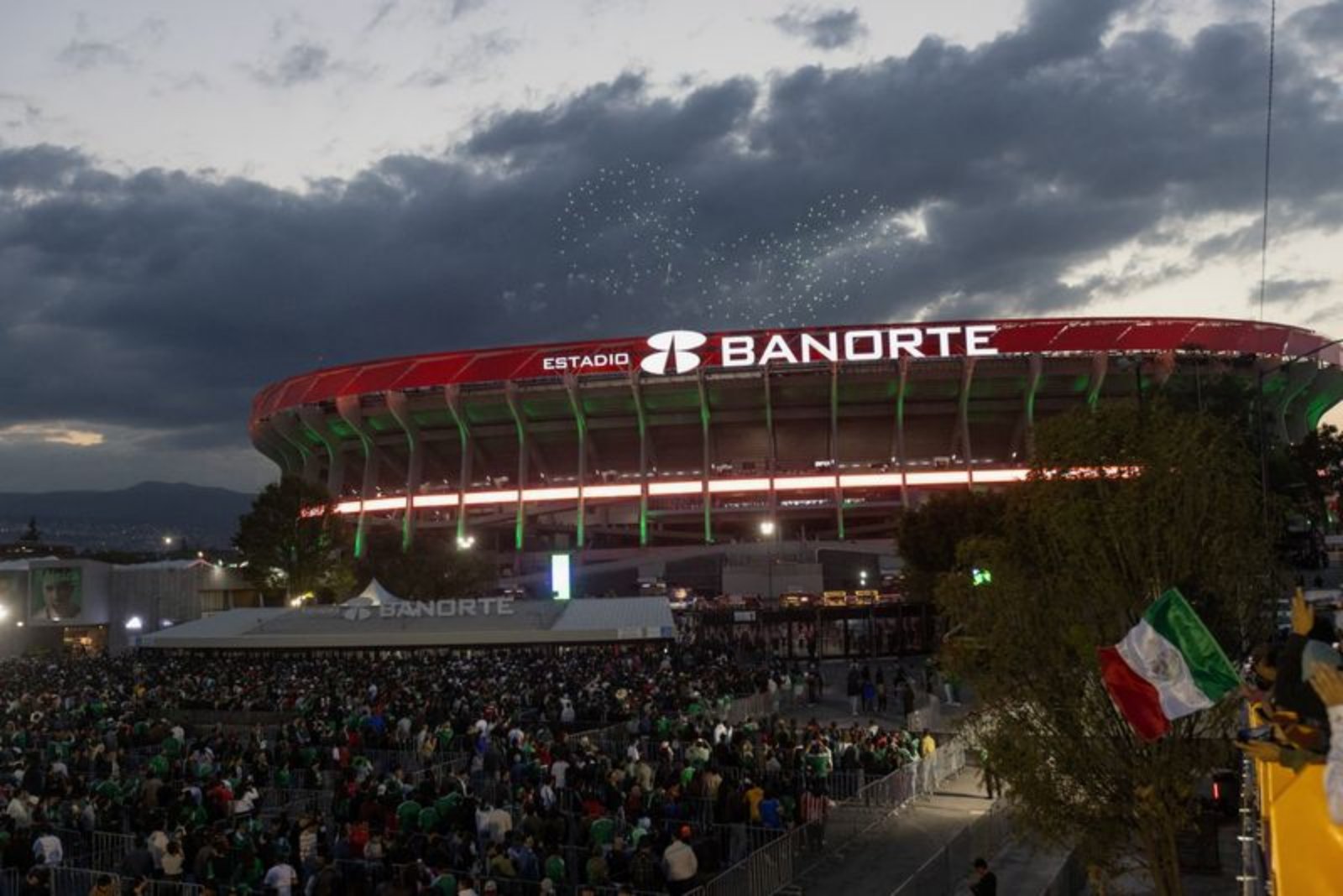
Mexico will co-host the tournament for the third time, sharing responsibilities with Canada and the United States when the competition runs from June 11 to July 19. The national side has long been shadowed by what is commonly called the "fifth-game" curse - a reputation for not getting beyond the round of 16.
With the expansion of the World Cup to 48 teams, Cuellar noted that reaching the round of 16 now first requires securing a victory in a round-of-32 tie, effectively raising the number of competitive hurdles. He urged the current squad to resist looking too far ahead, saying: "If you’re already thinking about the fifth game, you might get stuck before that and not even have the opportunity. They need to concentrate on game by game, let their moment build."
Cuellar voiced confidence in Mexico's coaching setup, citing Javier Aguirre, who is undertaking his third spell as head coach of "El Tri," and assistant coach and former player Rafael Marquez. On the player side, he singled out Mexico's contingent of Europe-based professionals - among them Edson Alvarez, Raul Jimenez and Julian Araujo - as a potential boost to the side's prospects, while cautioning that simply being rostered in Europe does not guarantee success.
Off-pitch issues temper optimism
The former international also highlighted off-field concerns that could influence the tournament's atmosphere and accessibility for Mexican supporters. Cuellar criticized FIFA's use of dynamic ticket pricing, arguing it has effectively put match tickets beyond the reach of many loyal fans. He said: "Now the prices have been set very, very far above the means of our society ... that die-hard fan ... the one who is always there supporting, will now have to settle for a big screen."
Cuellar further warned that immigration enforcement in the United States could complicate travel plans for Mexican supporters living in the U.S., particularly those with permanent resident status or temporary visas. He said: "Those in the U.S. with green cards or temporary visas could find themselves caught up in legal proceedings." The article notes that Amnesty International said last month that large-scale arrests and deportations by U.S. Immigration and Customs Enforcement and other agencies had torn communities apart and could spill over into World Cup celebrations.
What Cuellar recommends
In his comments, Cuellar combined optimism about Mexico's chances on home soil with pragmatic warnings about both team preparation and the environment surrounding the tournament. He encouraged players to build momentum one match at a time and highlighted institutional and policy-related issues - ticket pricing and immigration enforcement - that could reduce the presence of traditional supporters at stadiums.
His remarks underscore the dual nature of Mexico's World Cup outlook this summer: a potentially stronger competitive case on the field, paired with significant social and economic headwinds off it.