
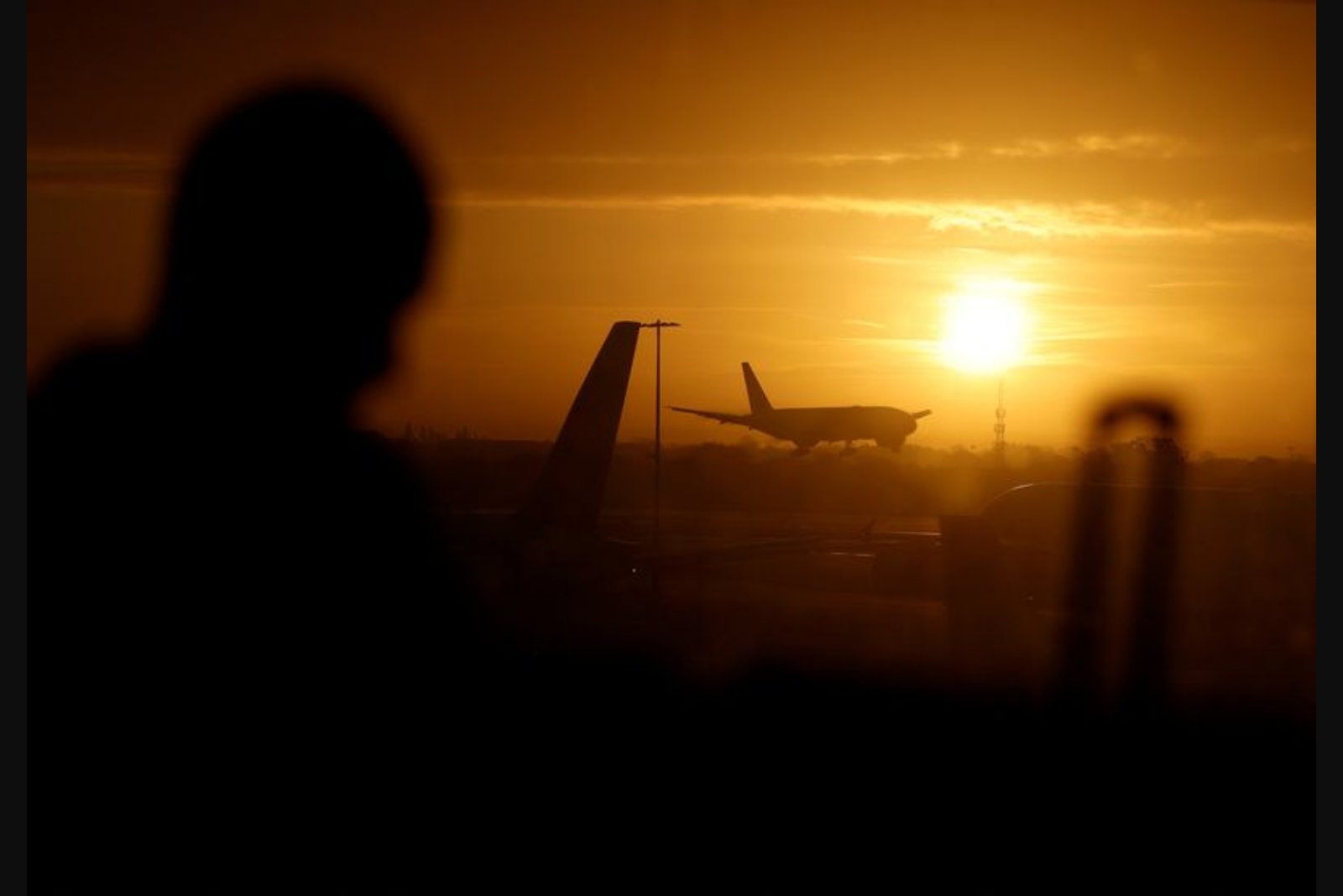
On Jan. 24, airlines serving the Middle East announced a series of route changes and temporary suspensions as geopolitical tensions between Iran and the United States intensified. The developments came after U.S. President Donald Trump said the U.S. had an "armada" heading towards Iran, and a senior Iranian official warned on Friday that Iran would treat any attack "as an all-out war against us". Aircraft carrier strike groups and other U.S. military assets were reported to be due in the region in the coming days.
The European Union’s aviation regulator had already urged its carriers on January 16 to avoid Iranian airspace as unrest in Iran - including a crackdown on protests - coincided with threats of foreign intervention. That guidance has been followed by multiple airlines, which have adjusted operations to reduce risk and comply with evolving advisories.
Individual carrier actions
KLM - The Dutch unit of Air France KLM said on January 24 that as a precaution it will avoid flying over large parts of the Middle East until further notice. A KLM spokesperson stated, "As a precaution, given the geopolitical situation, KLM will not fly through the airspace of Iran, Iraq and Israel and will not fly over several countries in the Gulf region."
Air France - On January 24 Air France resumed its service to Dubai after suspending flights a day earlier. The airline said it was monitoring the situation in the Middle East "in real time" and emphasized that it continuously observes the geopolitical environment of territories served and overflown by its aircraft.
Lufthansa - In a statement on January 14, Lufthansa said it would bypass Iranian and Iraqi airspace until further notice. The carrier added that it would restrict operations to day flights to Tel Aviv and Amman between January 14 and January 19, and warned that some flights could be cancelled as a result of these route changes.
British Airways - The airline temporarily suspended flights to Bahrain on January 16 as a precaution, stating it would keep the situation under close review. By January 24, flights to Bahrain were listed again on BA's website, and a company spokesperson said all BA flights were going ahead as scheduled.
Finnair - On January 16 Finnair announced it had stopped flying through Iraqi airspace and would route services to Doha and Dubai over Saudi Arabia instead. The carrier noted that it had already been avoiding the airspace of Iran, Syria and Israel for security reasons.
Wizz Air - A Wizz Air representative said in January that the airline was avoiding Iraqi and Iranian airspace. The spokesperson explained that some westbound flights departing Dubai and Abu Dhabi would require refuelling and crew-change stops in Larnaca, Cyprus or Thessaloniki, Greece.
Operational and market implications
The coordinated adjustments by airlines reflect immediate operational responses to shifting geopolitical risks. Airlines are rerouting to reduce exposure to contested corridors, which can increase flight times, require additional fuel and crew management, and in some cases lead to cancellations. Regulators' advisories and explicit government military posturing have been central to these decisions, with carriers citing real-time monitoring of territorial and overflight safety.
While most affected notices describe temporary precautions, some airlines flagged that flight cancellations could result from these reroutings. The situation remains dynamic, with carriers indicating they will continue to adapt their schedules and routes in response to evolving official guidance and on-the-ground developments.
Summary
Airlines operating in and across the Middle East have rerouted flights, suspended services temporarily, and in select cases cancelled flights in response to rising tensions between Iran and the United States. These changes follow public statements about U.S. military movements, stern remarks from Iranian officials, and an EU aviation safety recommendation issued on January 16.