
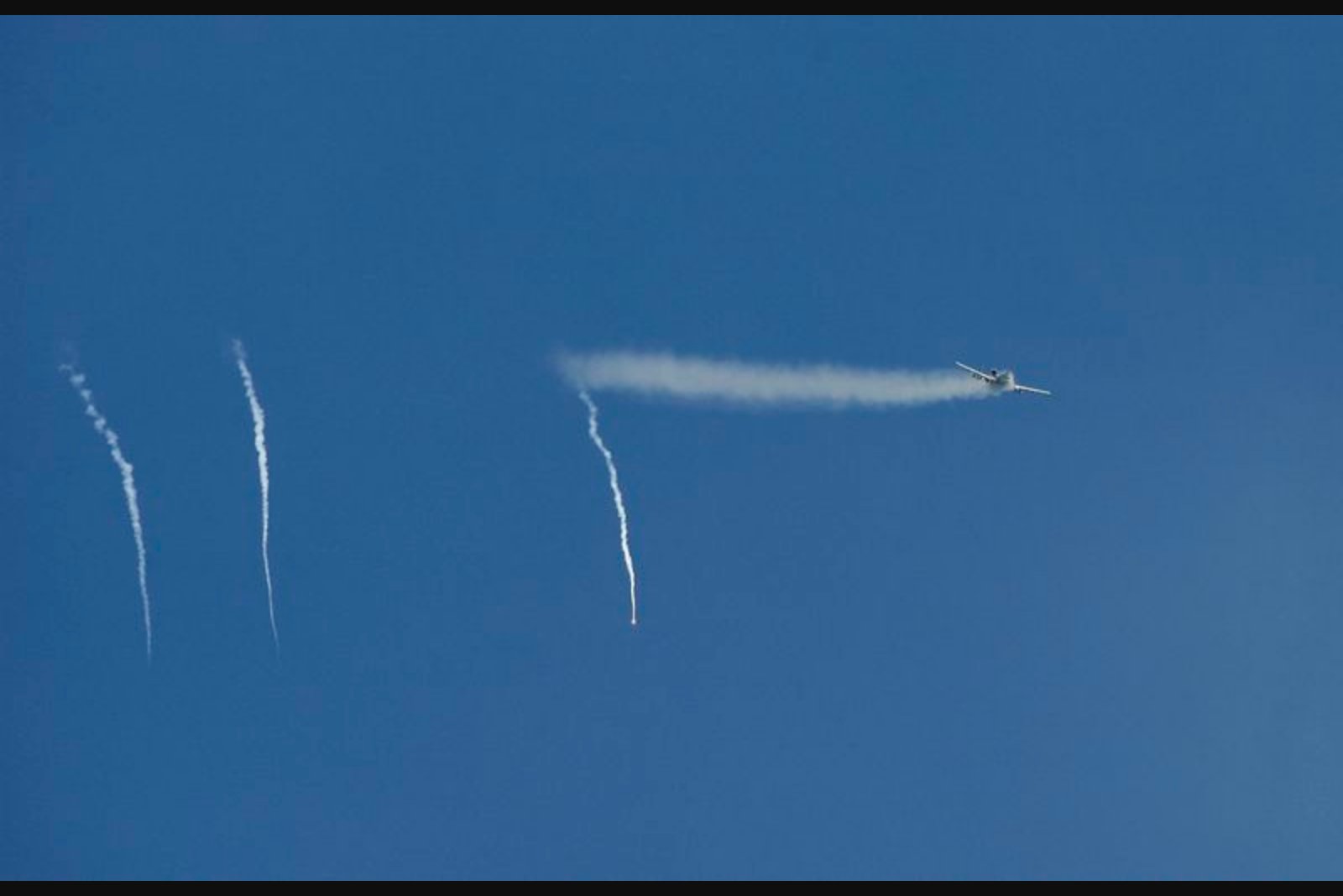
The U.S. Air Force has announced an extension of the service life of the A-10 attack aircraft, keeping the type in active service until 2030 rather than permitting the previously scheduled 2026 retirement.
Air Force Secretary Troy Meink made the announcement on social media, stating the extension "preserves combat power as the Defense Industrial Base works to increase combat aircraft production." The decision comes amid ongoing debate inside the Pentagon and beyond about the aircraft’s role, utility and cost.
Operationally, the A-10 has been employed in the current conflict with Iran, according to U.S. Central Command. Reports indicate the platform’s heavy nose-mounted guns were used against Iranian ships in the Strait of Hormuz.
Within Air Force ranks and defence policy circles there has been a long-running argument that the A-10 is increasingly dated - critics describe it as old, slow and costly to sustain. Those in favor of retiring the fleet contend that divesting the type would free funds to prioritize modernization programs, with development of hypersonic weapons cited as an example of such priorities.
Opponents of retirement warn that removing the A-10 fleet without fielding a like-for-like replacement would leave ground forces short of close air support. That political and operational pushback has proven durable and influential.
Political and economic considerations have contributed to the aircraft’s resilience. A large portion of the fleet is based at Davis-Monthan Air Force Base in Tucson, Arizona, a concentration that supports the local economy. The Air Force is also one of the region’s major employers. Arizona’s status as a battleground state was cited as a factor that increased the stakes of any retirement debate.
In 2021, Senator Mark Kelly of Arizona successfully blocked a Biden administration proposal to retire dozens of A-10s by securing language in defense legislation that prevented those retirements. Senator Kelly argued the aircraft should not be removed until a suitable close air support replacement was available.
Air Force officials have also warned that maintaining the full A-10 fleet imposes strain on the supply of mechanics who must service newer aircraft types. Those sustainment concerns appear, for the moment, to have been outweighed by the priority of preserving immediate combat capacity.
Summary: The A-10 Warthog will remain in U.S. Air Force service until 2030 after a secretary-level decision aimed at maintaining combat power while industrial production scales up. The plane has been active in operations involving Iran, and its continued service reflects a mix of operational, industrial, maintenance and political considerations.
- Key Points
- The A-10’s service life has been extended to 2030, postponing a 2026 retirement date - impacting the defense and aerospace sectors.
- The aircraft has been used in the current conflict with Iran, including reported strikes on Iranian vessels in the Strait of Hormuz - relevant to defense operations and naval logistics.
- Political influence and local economic ties, particularly in Arizona, have been significant in preserving the fleet - affecting regional labor markets and base-related spending.
- Risks and Uncertainties
- Keeping the full A-10 fleet continues to strain the pool of mechanics available to service newer aircraft - a sustainment risk for military aviation maintenance capacity.
- Retiring the aircraft without a viable replacement could create a capability gap in close air support - a tactical risk for ground operations and related defense contractors.
- Relying on an extended service life while industrial production ramps up leaves timeline and production risks for the Defense Industrial Base - affecting aerospace manufacturing and procurement schedules.