
Stock Markets February 4, 2026

Yum China Loyalty Base Tops 590 Million, Fuelling Majority of KFC and Pizza Hut Sales

Widespread adoption of digital memberships and new AI ordering tools coincide with rising share activity for the U.S.-listed parent spin-off

By Sofia Navarro YUM
Yum China Loyalty Base Tops 590 Million, Fuelling Majority of KFC and Pizza Hut Sales
YUM

Yum China reported its loyalty ecosystem has surpassed 590 million members, representing more than 40% of China’s population. The company said unique memberships across KFC and Pizza Hut rose 13% year-over-year, with 55% of sales now transacting through those programs. Management highlighted the role of loyalty in both near-term and long-term performance, noting strong engagement in KPRO and early take-up of an AI ordering assistant.

Key Points

  • Yum China’s loyalty programs exceed 590 million members, representing more than 40% of China’s population; unique membership across KFC and Pizza Hut rose 13% since 2024 and 55% of sales occur via these programs - sectors impacted: consumer restaurants, digital payments, and food delivery.
  • KPRO, the higher-end KFC format launched in 2017, derives 80-90% of its sales from KFC loyalty members, illustrating the loyalty program’s contribution to same-store demand and product mix - sectors impacted: fast-casual dining and branded restaurant portfolios.
  • The KFC app’s nationwide AI ordering assistant has reached two million users, concentrated among breakfast and coffee orders, demonstrating tech-driven engagement within digital ordering channels - sectors impacted: restaurant tech and digital commerce.

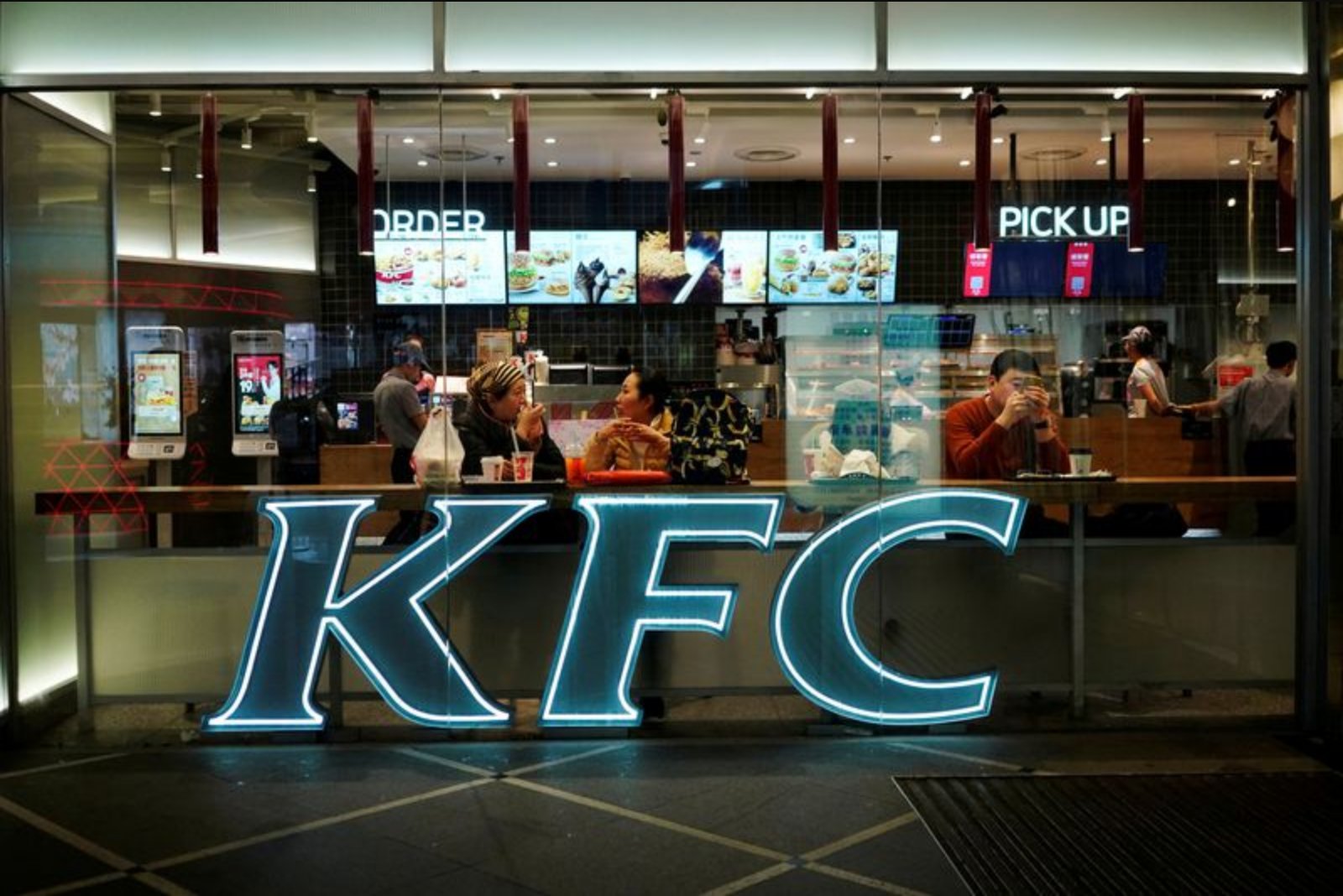
Yum China disclosed robust expansion of its digital loyalty programs on Wednesday, announcing membership has climbed past 590 million people - a reach the company says exceeds 40% of China’s population. The Shanghai-based operator, a spin-off of Yum Brands, reported unique loyalty membership across its KFC and Pizza Hut brands rose 13% since 2024, and that those members accounted for 55% of sales.

Company executives and industry consultants highlighted the scale and commercial importance of the membership base. Yum China CEO Joey Wat told investors the KFC loyalty program is "really helping our long-term and short-term business," and pointed to performance at KPRO, the company’s healthier, more premium KFC format launched in 2017. Wat said between 80% and 90% of KPRO’s sales are sourced from KFC loyalty members.

Market response to the disclosures was positive: Yum China’s U.S.-listed shares rose 4% after the results were released.

Analysts and consultants quoted by the company underscored the program’s size. David Slavick, founder of Ascendant Loyalty Marketing, called the scale "insane" and said it represents the largest loyalty program globally. Kate Hogenson of the Mallett Group noted broader consumer behavior in China, saying "They were the early adopters" in using digital payment and ordering applications relative to other markets.

Yum China detailed engagement metrics: of the more than 590 million members, 265 million are considered active users, defined as having used the program within the last year. The company also reported progress on product innovation tied to its loyalty channels. A new AI ordering assistant built into the KFC app completed a nationwide rollout in January and has been used by two million members to date, with use concentrated among customers placing breakfast and coffee orders.

The KFC and Pizza Hut brand apps in China function as ordering and loyalty platforms, enabling digital meal orders, deliveries, targeted discounts, and personalized recommendations. The company’s approach differs from many U.S. restaurant loyalty programs in that it includes paid and invitation-only membership tiers that offer benefits such as free deliveries and prioritization in delivery queues.

Independent market data cited by the company places the value of China's loyalty program market at nearly $20 billion in 2025, with expectations to approach $33 billion by 2029, according to ResearchAndMarkets.com. Yum China’s reported figures suggest the company has positioned its apps and loyalty offerings as a meaningful channel for sales and customer engagement.


Summary

Yum China’s loyalty programs have exceeded 590 million total members, with 265 million active users, driving 55% of sales and showing strong adoption of new AI ordering tools and premium KPRO offerings.

Risks

  • Sustaining engagement: The company reports 265 million active users out of 590 million members; converting large membership counts into frequent, revenue-driving customers remains an ongoing challenge - impacts restaurant sales metrics and marketing ROI.
  • Concentration of sales through digital channels: With 55% of sales transacting through loyalty programs and apps, interruptions or degradation in digital platforms or delivery logistics could materially affect sales - impacts digital payments, delivery operations, and restaurant revenue.
  • Competition and tier monetization: The use of paid and invitation-only tiers introduces execution risk in pricing and member satisfaction; failure to maintain perceived value of premium tiers could reduce retention or harm brand loyalty - impacts subscription revenue and customer lifetime value.

More from Stock Markets

U.S. Clearance for Nvidia H200 Sales to ByteDance Tied to Conditions Nvidia Has Yet to Accept Feb 4, 2026 After-hours movers: Tech and chip names react to Alphabet's heavy CapEx outlook; mixed results from Qualcomm, Snap and e.l.f. Feb 4, 2026 Alphabet says it may nearly double capital spending to $175-185 billion this year Feb 4, 2026 Mexican equities slide as S&P/BMV IPC falls 1.49% amid sector-led declines Feb 4, 2026 Colombian equities close lower as COLCAP drops 2.29% Feb 4, 2026