
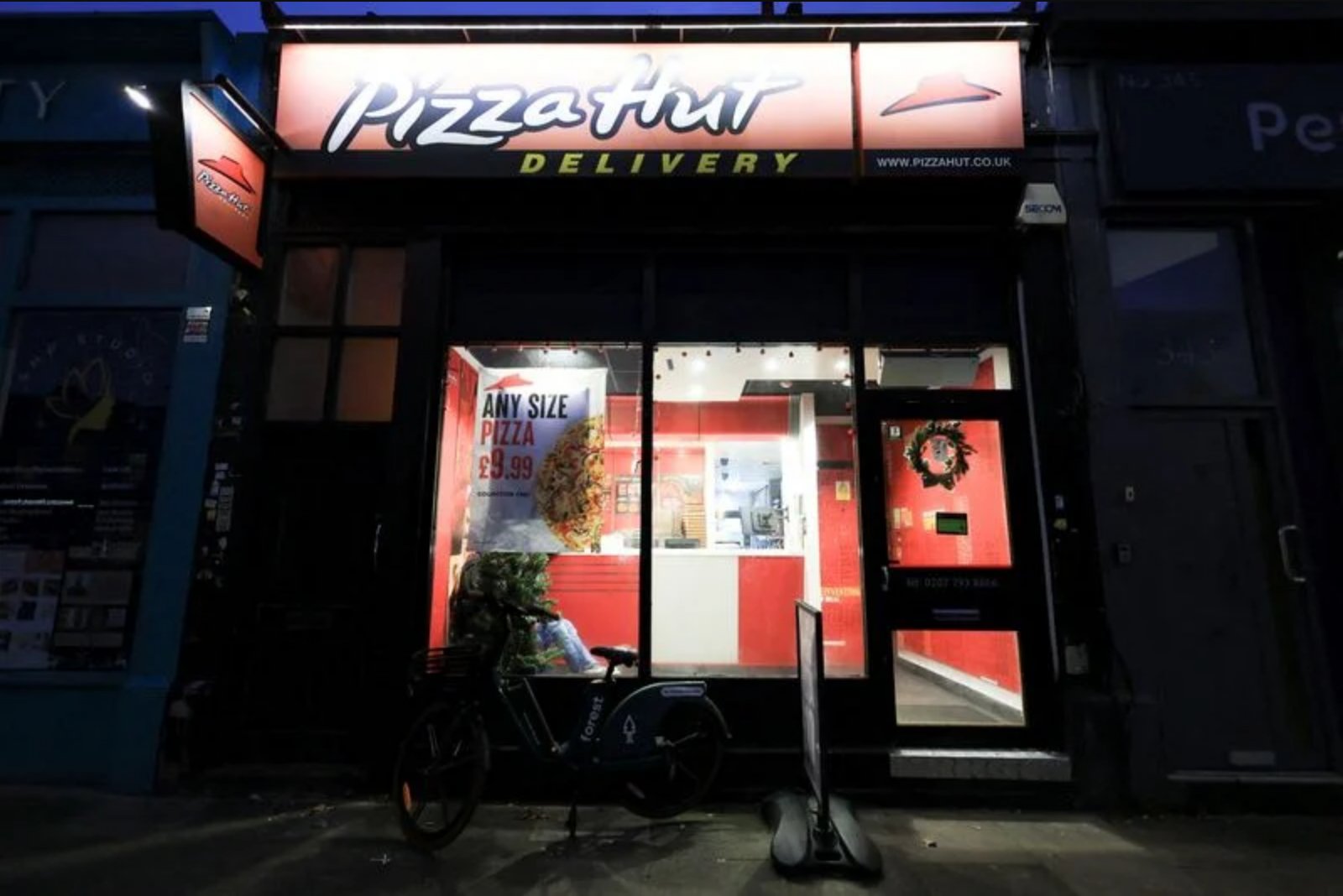
Yum Brands said on June 16 that it will divest its Pizza Hut chain for a total of $2.7 billion, splitting the business between two buyers as the unit continues to lag peers and confront a challenging consumer environment. Yum China will acquire Pizza Hut operations in Mainland China for $1.2 billion, while private equity firm LongRange Capital will purchase the remainder of the Pizza Hut business for $1.5 billion.
The company said the transaction follows a period of strategic review for Pizza Hut and exclusive talks with LongRange that began in May. Yum had indicated it was evaluating options for the brand - including a possible sale - after Pizza Hut fell behind other Yum-owned fast-casual concepts such as Taco Bell in recent performance.
Yum characterized the sale as a response to the brand's competitive position and the broader headwinds affecting the fast-food sector. Industry demand softness has been evident, and the company noted consumer behavior is shifting in ways that have pressured pizza chains specifically. One factor cited is increased adoption of GLP-1 weight-loss medications, which observers say is nudging some consumers toward healthier eating choices. That trend, combined with higher inflation and weaker consumer sentiment, has put additional strain on restaurants already coping with elevated commodity costs.
Yum's announcement comes as the fast-food industry navigates reduced discretionary spending and growing margin pressure from input-cost inflation. The company previously entered exclusive negotiations with LongRange in May after beginning a review of strategic alternatives for Pizza Hut; those discussions have now culminated in the agreed divestiture split between Yum China and LongRange Capital.
While Yum will no longer directly own the full Pizza Hut footprint, the deal keeps the Mainland China operations under the broader Yum corporate ecosystem via Yum China, reflecting a geographic split in ownership aligned with the sale proceeds: $1.2 billion for Mainland China and $1.5 billion for the remaining territories, totaling $2.7 billion.
The transaction highlights pressures across the restaurant and consumer foodservice sectors, where shifting consumer preferences, inflationary cost dynamics, and dampened sentiment are influencing strategic choices for large brand portfolios.
Summary
Yum Brands will sell Pizza Hut for $2.7 billion: Yum China buys the Mainland China business for $1.2 billion, and LongRange Capital acquires the rest for $1.5 billion. The sale follows a strategic review and exclusive talks that began in May, as Pizza Hut fell behind other Yum concepts amid weakening demand and cost pressures.