
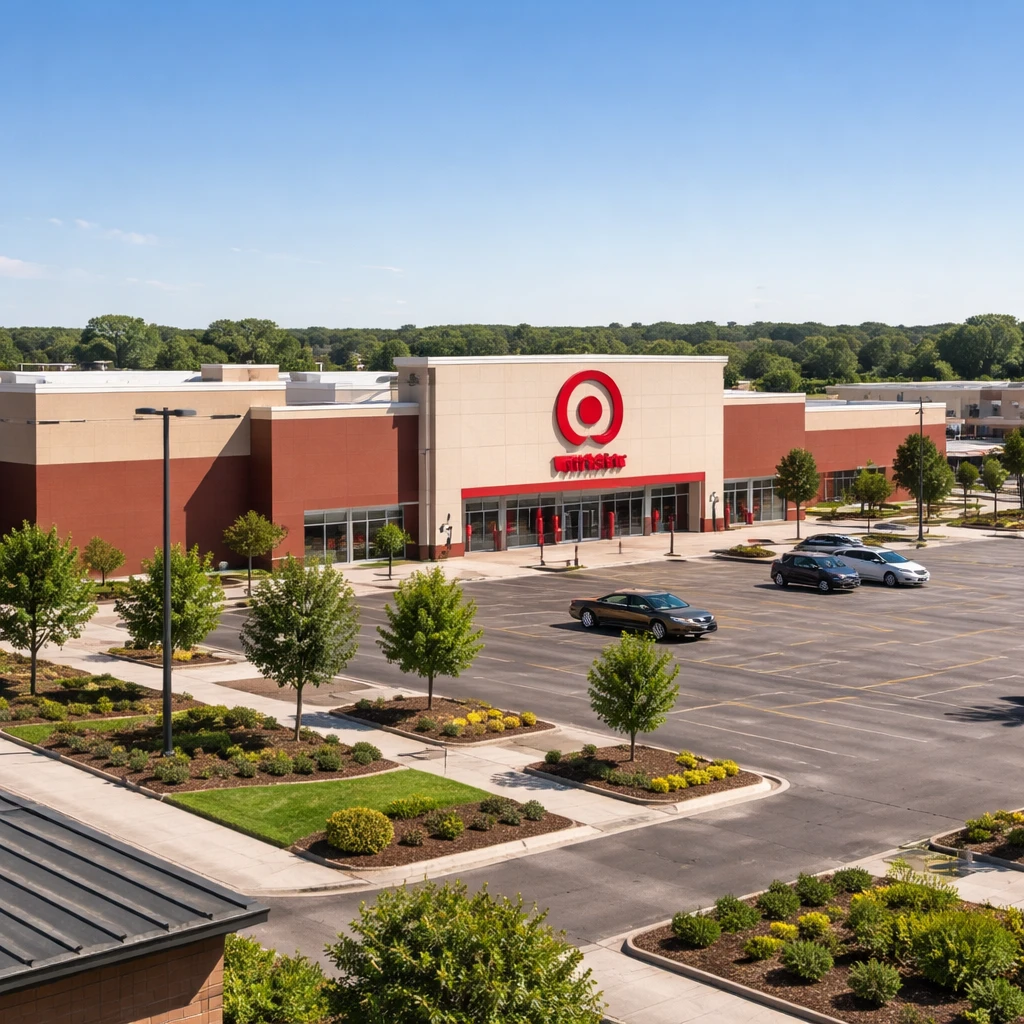
Wolfe Research raised its rating on Target to Peer Perform from Underperform, saying that a combination of lower earnings expectations and early operational improvements has strengthened the retailer’s risk-reward profile. The firm highlighted an upcoming investor day on March 3 and noted that Target shares were marginally higher in early trading on Tuesday.
Wolfe argued that a near-term rebase of earnings appears both likely and necessary to restore investor confidence. Although consensus estimates have moved down, Wolfe believes the scope for further downside is limited - in part because some market participants are already pricing in fiscal 2026 earnings in the low- to mid-$5 range. Against that backdrop, Wolfe models a reset to roughly $6 of earnings in 2026, followed by a recovery across the subsequent three-year horizon.
Crucial to Wolfe’s assessment is Target’s real estate portfolio. The firm estimates the company holds about $50 billion of property, representing roughly 70% to 75% of enterprise value. Wolfe does not anticipate near-term monetization of those assets, but views the holdings as a margin of safety while the retailer executes its turnaround.
The research note lays out several investment priorities that Wolfe expects will weigh on near-term profitability but support longer-term growth. On the profit-and-loss side, Wolfe forecasts higher labor hours to relieve pressure at store level, narrower pricing gaps in general merchandise aimed at recovering market share, and increased advertising to help rebuild foot traffic. These operating moves are cited as drivers behind Wolfe’s forecasted earnings reset next year.
Wolfe also pointed to balance-sheet and capital allocation changes that it views as necessary. The firm said Target fell behind a typical seven-year remodel cycle and will need more consistent store refreshes. It also anticipates greater investment in distribution centers to better support grocery assortments and improve in-stock levels, as well as adjustments in how e-commerce orders are fulfilled. Wolfe expects capital spending to rise to about $6 billion and said that level of capex would consume most operating cash flow in 2026.
Governance shifts are another element Wolfe cited positively. The firm noted moves to separate the roles of chair and chief executive, changes to incentive compensation to incorporate same-store sales, and plans to add board members with more retail experience.
Wolfe identified near-term catalysts that could influence the trajectory: the March 3 investor day, early indicators of improvement in operating metrics, and larger tax refund checks that may support consumer demand.
Investors and market participants should watch for:
- Outcomes and messaging at the March 3 investor day.
- Early operating-data improvements that validate the planned spending and merchandising changes.
- Capital spending trends in 2026 and their effect on operating cash flow.