
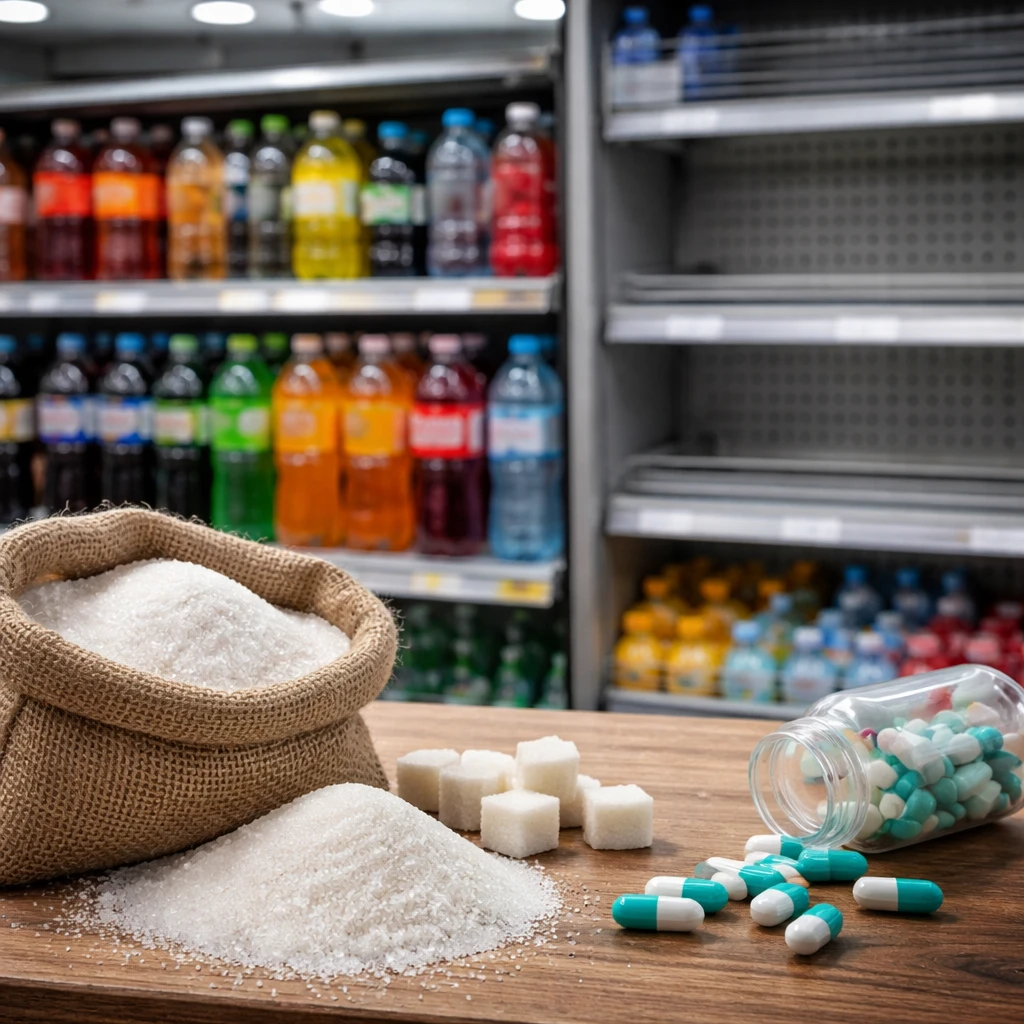
Global sugar demand is weakening, driven in part by the expanding use of a class of weight-loss medications and by policies aimed at curbing sugar in beverages, industry players and analysts said. The change in consumption patterns has already helped trigger factory shutdowns in both the United States and Europe and has contributed to a fall in sugar prices to roughly five-year lows.
Data from the International Sugar Organization indicate that Western Europe has seen a 6.7% fall in sugar consumption over the past two years, while U.S. consumption has dropped 4.4% over the same period. Global consumption growth is forecast at just 0.5% for the 2026/27 season - a level described by analysts as historically low and, increasingly, the new normal.
"There are a number of factors there, not just the weight drugs, but that’s certainly a factor," Eder Vieito, chief executive of analysts Green Pool, said at the annual Dubai Sugar Conference. Vieito framed the slowdown as a departure from earlier trends: for many years global sugar use expanded by about 2% annually and had roughly doubled over the prior five decades.
Conference speakers pointed to the GLP-1 class of drugs as a material influence on demand. Annie Denny, Director General of the World Sugar Research Organisation (WSRO), told delegates that GLP-1 medications reduce calorie intake by between 16% and 39% and are associated with a reduced preference for sweet, high-fat foods.
Denny said roughly one in eight U.S. adults have taken GLP-1 drugs such as Novo Nordisk’s Wegovy and Eli Lilly’s Zepbound, while global usage remains below 1% today. She added that uptake is expected to rise, particularly in G-20 countries, as some patents expire this year and permit lower-cost alternatives to enter markets. The falling prices of branded drugs such as Wegovy and Zepbound are also cited as a factor that will likely broaden use.
Potential expansion markets highlighted by speakers include Brazil, China, India and Turkey - together accounting for a quarter of the world’s obese adults, according to the conference remarks. Greater adoption of GLP-1 treatments in those markets would, participants said, further weigh on sugar demand.
Public policy has been another headline driver. Stephen Geldart, head of analysis at Czarnikow, said taxes on sugary soft drinks have contributed to a decline in sugar consumption in Europe over the past decade. Such levies - adopted in countries including Britain, Mexico and South Africa - are typically tied to the amount of sugar in beverages and have prompted manufacturers to reduce sugar content.
"Over the last decade global demand growth has slowed as consumers and governments are demanding changes in sugar use. The slowdown in the growth of soft drinks that contain sugar is one driver of this," John Adams, Director of Sugar Research at GlobalData, said.
Analysts noted that population growth and rising demand in Asia and Africa continue to offset some of the decline in Western markets for now, but they cautioned that the long-term upward trajectory seen over many decades appears to be faltering. The combination of changing consumer tastes, pharmaceutical influences and regulatory pressure is reshaping demand dynamics in ways that have already affected supply-side economics in key producing regions.
Key takeaways:
- Sugar consumption has declined 6.7% in Western Europe and 4.4% in the U.S. over the past two years, per International Sugar Organization data.
- GLP-1 weight-loss drugs reduce calorie intake by 16% to 39%, and roughly one in eight U.S. adults have used them; global usage is currently under 1%, but is expected to rise as patents expire and prices fall.
- Soft-drink sugar taxes and stricter food labelling have encouraged beverage makers to lower sugar content, contributing to reduced demand.