
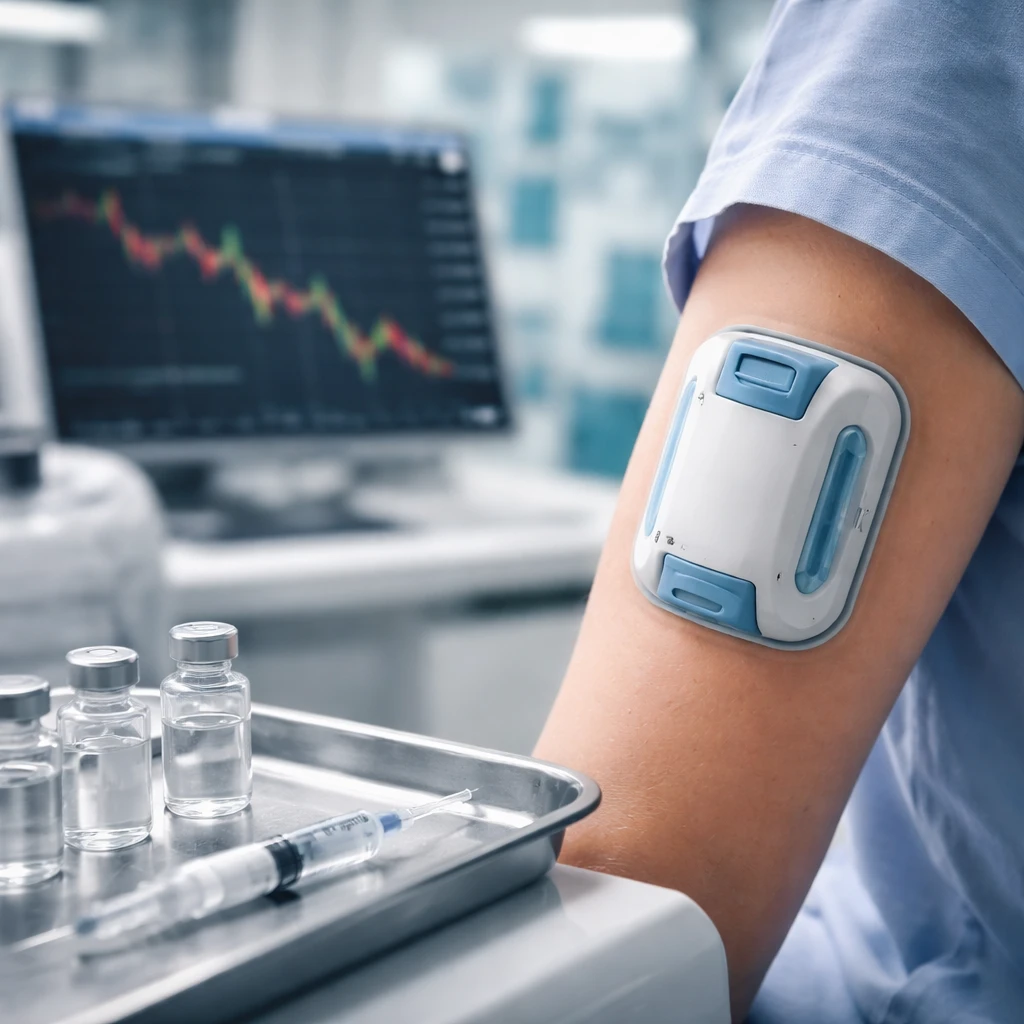
Shares of Viridian Therapeutics Inc (NASDAQ:VRDN) tumbled 25.2% on Monday following an announcement from Amgen (NASDAQ:AMGN) that its TEPEZZA program administered by subcutaneous injection using an on-body injector produced positive Phase 3 results in patients with moderate-to-severe active Thyroid Eye Disease.
Amgen reported that the TEPEZZA OBI trial met its primary endpoint, delivering a 77% proptosis response rate over the 24-week study period compared with 19.6% for placebo. The company also disclosed statistically significant improvements across several secondary endpoints, including overall responder rate and Clinical Activity Score.
When set side by side with Viridian's recent subcutaneous data for elegrobart, the TEPEZZA OBI figures were numerically stronger. Amgen's OBI cohort showed a 76.7% absolute proptosis response rate versus 54% for elegrobart dosed every four weeks and 63% for elegrobart dosed every eight weeks. On a placebo-adjusted basis, TEPEZZA OBI registered a 57% improvement, compared with 36% for elegrobart Q4W and 45% for elegrobart Q8W.
Safety findings for the subcutaneous TEPEZZA formulation were reported as broadly consistent with the established safety profile for TEPEZZA administered intravenously. Some patients receiving subcutaneous injections experienced mild-to-moderate injection site reactions, but these events did not lead to treatment interruption or discontinuation. The most frequently observed adverse events included muscle spasms, tinnitus, weight decrease, ear discomfort, nausea and diarrhea.
Analysts and market observers noted a tradeoff between the efficacy signals in the TEPEZZA OBI data and the dosing convenience of Viridian's elegrobart. Elegrobart is designed for administration via autoinjector on either a Q4W or Q8W schedule and can be delivered with as few as four total subcutaneous injections over a 24-week period. By contrast, Amgen's OBI approach requires delivery through a subcutaneous infusion pump every two weeks for 24 weeks, equal to 12 injections in total.
Several analysts reiterated coverage on Viridian after the Amgen announcement. Stifel analyst Alex Thompson kept a Buy rating with a $48.00 price target. RBC Capital analyst Lisa Walter maintained an Outperform rating with a $42.00 price target. Leerink Partners analyst Thomas Smith continued to carry an Outperform rating and a $50.00 price target.
Context and market implications
The release of TEPEZZA OBI Phase 3 results has led investors to re-evaluate competitive positioning in the subcutaneous treatment space for Thyroid Eye Disease. The data point to stronger absolute and placebo-adjusted efficacy for Amgen's OBI approach relative to the subcutaneous figures reported by Viridian in the preceding week, while the two approaches differ materially in dosing frequency and delivery method.