
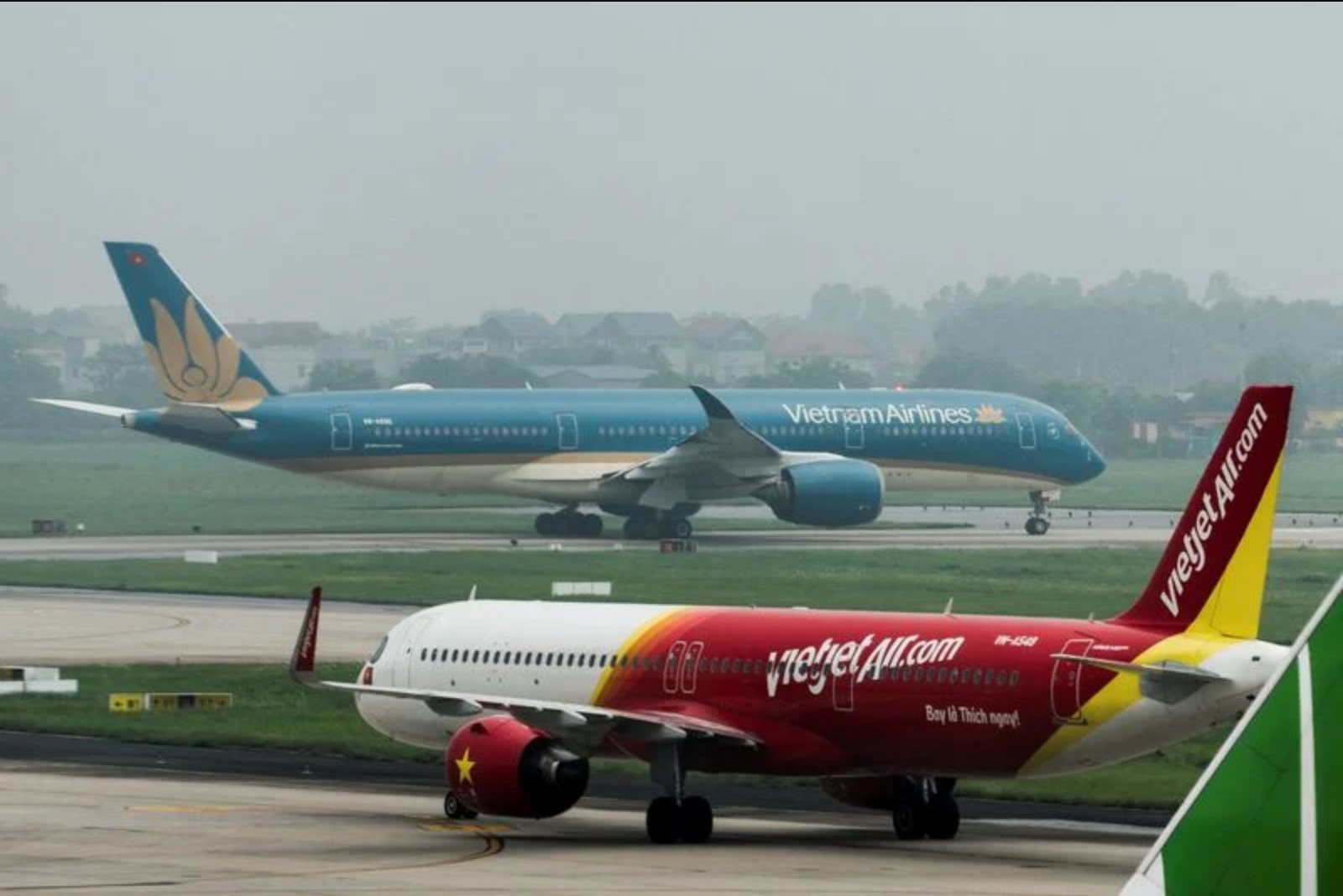
Vietnam's central administration has ordered its principal airlines to assess the status of multimillion- to multibillion-dollar agreements with U.S. aerospace firms and to pursue additional purchases of American high-technology equipment, as Hanoi seeks to show progress on trade commitments amid mounting scrutiny from Washington.
The instruction, issued by the Ministry of Construction on June 5, comes after a request from the Ministry of Industry and Trade. That ministry is leading an effort to present evidence to U.S. authorities that bilateral commercial commitments are being advanced.
According to the directive, three carriers - flag carrier Vietnam Airlines, low-cost operator Vietjet Air, and newcomer Sun Phu Quoc Airways - were told to provide detailed updates on the progress of implementing and delivering deals signed with U.S. partners. The carriers were also asked to propose measures to broaden imports of American high-technology materials and equipment.
Specific contracts cited in the directive include a joint order by Vietnam Airlines and Vietjet Air for 250 Boeing 737 MAX aircraft. Separately, Sun Phu Quoc Airways, which is the aviation unit of the Sun Group conglomerate, entered into a contract to acquire 40 Boeing 787-9 Dreamliner wide-body jets.
The document also notes that Vietjet holds an engine contract with Pratt & Whitney, a unit of RTX Group, for engines to power some of its Airbus aircraft.
The move by Hanoi is set against a backdrop of increased U.S. trade enforcement activity. The Trump administration has launched three separate probes into Vietnam, alleging trade distortion through excess capacity, intellectual property violations, and the use of goods produced with forced labour. The government's instruction to carriers appears aimed at demonstrating tangible follow-through on bilateral trade activity.
Vietnam's trade flow with the United States has been growing rapidly. U.S. data show that the U.S. trade deficit with Vietnam reached $54.8 billion in the first three months of this year, a level that was second only to the deficit with Taiwan and larger than U.S. deficits with major exporters such as China and Mexico.
By requesting airlines to accelerate delivery and expand U.S. imports, Vietnamese authorities are seeking avenues to strengthen their negotiating position in discussions with U.S. officials. The directive targets both the implementation timeline for existing commercial agreements and the identification of new sourcing opportunities for American high-technology goods.
While the directive names specific commercial arrangements with Boeing and Pratt & Whitney, it does not alter the terms of those agreements. The instruction focuses on reporting progress and investigating additional imports that could be presented as evidence of active engagement in bilateral trade.
Contextual note: The document directs carriers to supply implementation details and to recommend ways to expand U.S. high-technology imports. It reflects an administrative effort to align commercial activity with diplomatic objectives in the face of U.S. trade investigations.