
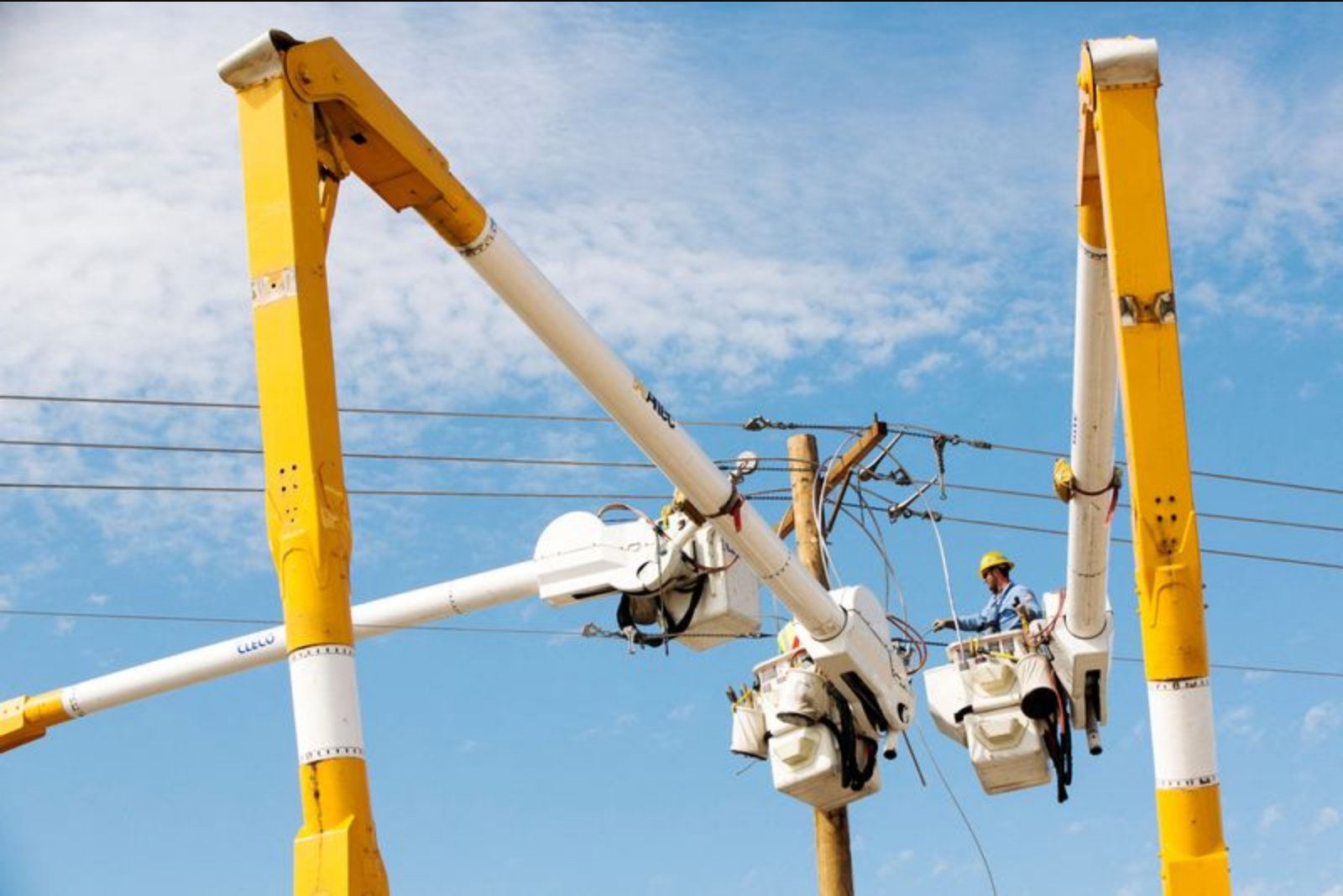
U.S. utility stocks delivered an unexpectedly strong start to the year, recording their best opening quarter since 2019 as investors sought shelter from market volatility and companies building artificial intelligence infrastructure increased electricity demand.
According to LSEG data, the S&P 500 Utilities Index climbed 7.5% in the first quarter. By contrast, the S&P 500 itself lost 4.6% over the same three months, marking its weakest quarter since 2022 amid renewed inflation concerns and a spike in energy prices.
The broader market has regained some footing in recent trading, approaching a one-month high after a reported two-week ceasefire agreement between the U.S. and Iran. That temporary easing in geopolitical tensions may, however, change investor positioning going forward.
Why utilities outperformed
Utilities traditionally act as a defensive allocation for investors during periods of heightened uncertainty, offering relatively stable dividend payouts and lower volatility compared with more cyclical areas of the market. That defensive characteristic helped power gains in the first quarter, with other bond-proxy categories such as real estate and consumer staples also posting positive returns.
"When volatility really ramps up and there are questions about where the market is going in the short term, it’s natural for investors to rotate into defensive type equities and utilities tend to be a prime recipient of along with healthcare," said Matt Stucky, chief equities portfolio manager at Northwestern Mutual.
AI-related power demand
Alongside the defensive flows, utilities benefited from rising electricity requirements tied to the construction of large-scale data centers by major technology firms expanding artificial intelligence capacity. Research cited in the quarter indicates that electricity consumption from data centers could more than quadruple by the end of the decade, potentially using up to 17% of U.S. power supplies, according to the Electric Power Research Institute.
Gerry Sparrow, president at Sparrow Capital Management, highlighted data center demand as a recent focus in utility quarterly calls. "I read a few recent quarterly calls from some of the utility companies and the big drivers are the data centers and the increased electricity demand, which is crowding out other interests," he said. "The data center demand is coming from technology companies -- in particular Alphabet, Meta Platforms and Oracle, with their capital budgets that include data center buildout for AI. So that’s some of the stuff that’s moving the market around, especially around individual utility companies."
Potential for rotation as markets calm
With the U.S.-Iran ceasefire providing a period of relative calm, some fund managers may unwind defensive positions and redeploy capital into cyclical and growth-oriented sectors. That shift could trim some of the utilities sector’s recent gains.
Even so, utilities with direct exposure to AI-related construction - especially those serving commercial customers in major data center corridors such as Virginia, Texas, Florida and parts of the Midwest - may continue to draw investor attention. Sparrow noted that exposure to industrial and commercial customers, rather than predominantly residential loads, will likely determine which utility stocks remain favored.
He named several firms that investors are watching for their ties to commercial and data-center demand: American Electric, Dominion Energy, Nextera Energy, Xcel Energy and Duke Energy. "A lot of the performance is likely going to be tied to how much they’re serving industrial customers versus residential customers closer to the larger cities," Sparrow said.
Investor tools and stock ideas
The quarter’s activity also drew attention from data-driven stock-picking services. One such tool evaluates XEL against thousands of companies using more than 100 financial metrics to generate ideas based on fundamentals, momentum and valuation. The service claims it identifies stocks with favorable risk-reward profiles based on current data and has noted past winners, though readers should assess such claims in light of their own investment criteria.
As markets transition from a risk-off stance, the outlook for utilities may diverge between companies tied to the AI buildout and those more heavily weighted to residential or regulated bases. How quickly managers move back into risk assets will be a key determinant of near-term sector performance.