
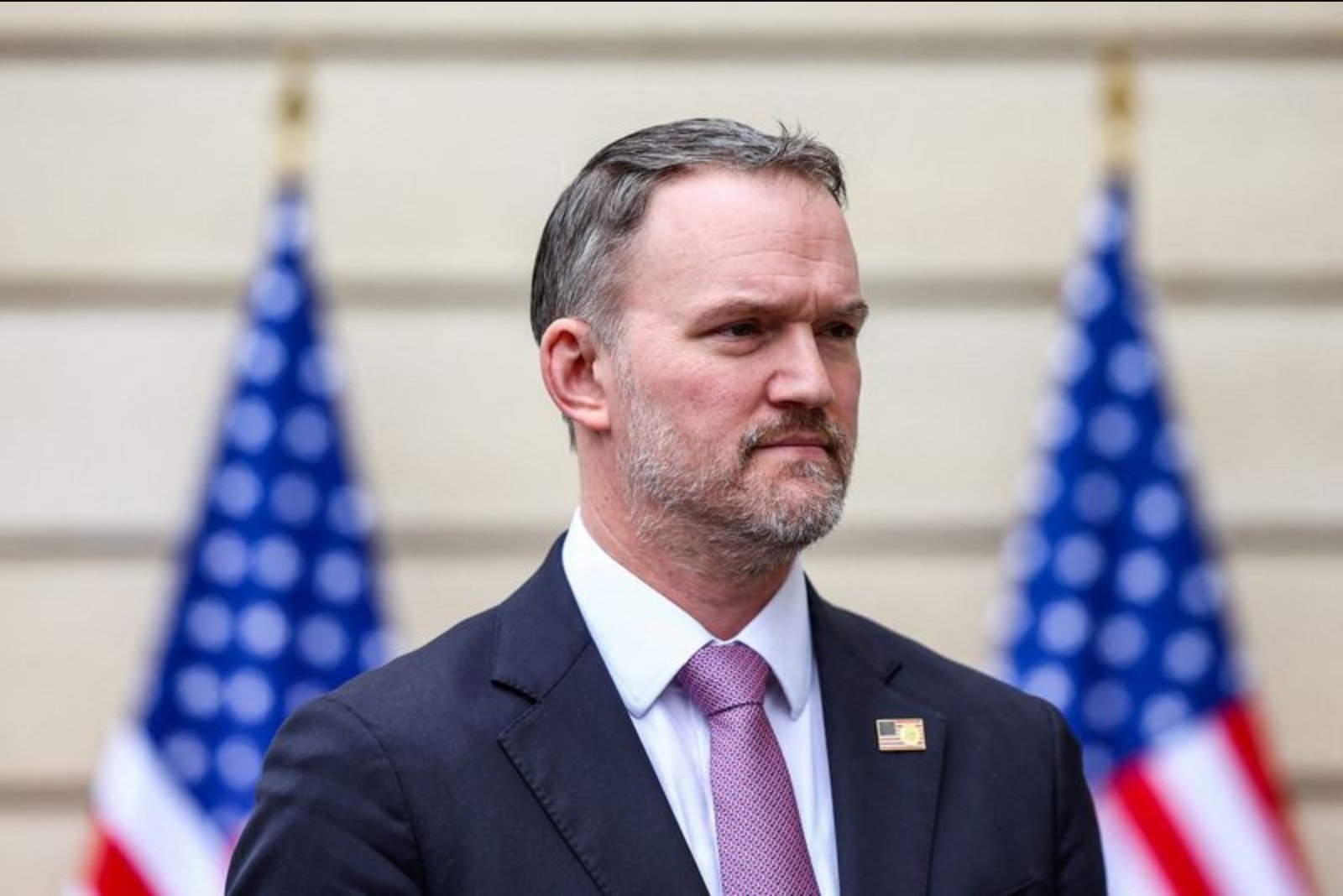
U.S. Trade Representative Jamieson Greer on Thursday reaffirmed that the Trump administration does not intend to alter a set of restrictions that bar Chinese vehicle software and certain hardware from the U.S. market. The measures, originally adopted in January 2025 under President Joe Biden and grounded in national security concerns tied to vehicles' capacity to gather sensitive data on U.S. owners, place broad limits on the use of specified Chinese technology in vehicles on American roads.
Greer noted the policy remains in force and signaled no plans for revision. "We don’t see any change in that -- so it seems like it would probably be difficult for certain countries to establish new production here, given those sets of rules," he said, underscoring that the rules constrain how vehicle production and related technology from certain foreign suppliers could be deployed in the United States.
The regulatory package imposes a wide-ranging ban on key Chinese software and hardware in vehicles. The software restrictions came into effect in March, while prohibitions on hardware are scheduled to take effect in 2029.
Greer also outlined forthcoming diplomatic engagements with Chinese officials in preparation for a planned meeting between U.S. President Donald Trump and Chinese leader Xi Jinping in May. U.S. officials intend to hold a video conference with their Chinese counterparts to discuss agreed "deliverables" ahead of that summit, he said. He was explicit that the auto industry is not on the meeting agenda. "We really coalesced around a handful of areas where we want to have outcomes, nothing really directly on the auto industry, specifically right now," Greer added.
The policy stance faces broad congressional opposition to the idea of Chinese automakers setting up production within the United States. Lawmakers from both parties have expressed resistance to permitting Chinese-owned carmakers to build plants on U.S. soil. Earlier this year, President Trump expressed openness to Chinese automakers establishing factories in the United States, saying, "If they want to come in and build a plant and hire you and hire your friends and your neighbors, that’s great, I love that."
In contrast to that comment, Democratic senators Tammy Baldwin, Elissa Slotkin and Chuck Schumer recently urged President Trump to bar Chinese automakers from U.S. production and to block Chinese-manufactured cars assembled in Mexico or Canada from entering the United States. In a letter to the president, the senators wrote: "We must be clear-eyed that inviting China’s automakers to set up shop in the United States would confer an insurmountable economic advantage impossible for American automakers to overcome, and it would trigger a national security crisis that could never be reversed."
On the legislative front, Republican Senator Bernie Moreno said last week he would introduce legislation intended to seal the U.S. market so that "there’s never a scenario where a Chinese automobile will enter our market, that’s hardware, that’s software, that’s partnerships."
Greer acknowledged an unresolved question about how the rules will apply to vehicles owned and used by Canadian consumers that might be driven across the U.S. border. "I don’t know how that will be resolved," he said, reflecting uncertainty about cross-border operation of such vehicles under the prohibitions.
The restrictions have support from major automakers and trade groups. The ban is backed by leading manufacturers including General Motors, Toyota, Volkswagen and Hyundai, and by other industry trade associations. Last month, auto trade groups representing nearly all major carmakers urged U.S. officials to keep Chinese carmakers out of the U.S. market. That industry-level advocacy aligns with the policy's aim to limit the use of specified foreign hardware and software in vehicles driving on American roads.
While officials press ahead with a narrow set of deliverables for the upcoming presidential meeting with China, Greer’s comments make clear the administration’s current posture toward vehicle-related technology from China remains unchanged. The combination of executive action, congressional pressure and industry support leaves the rules in place and the future of any proposed Chinese production within the United States uncertain under the present regulatory framework.