
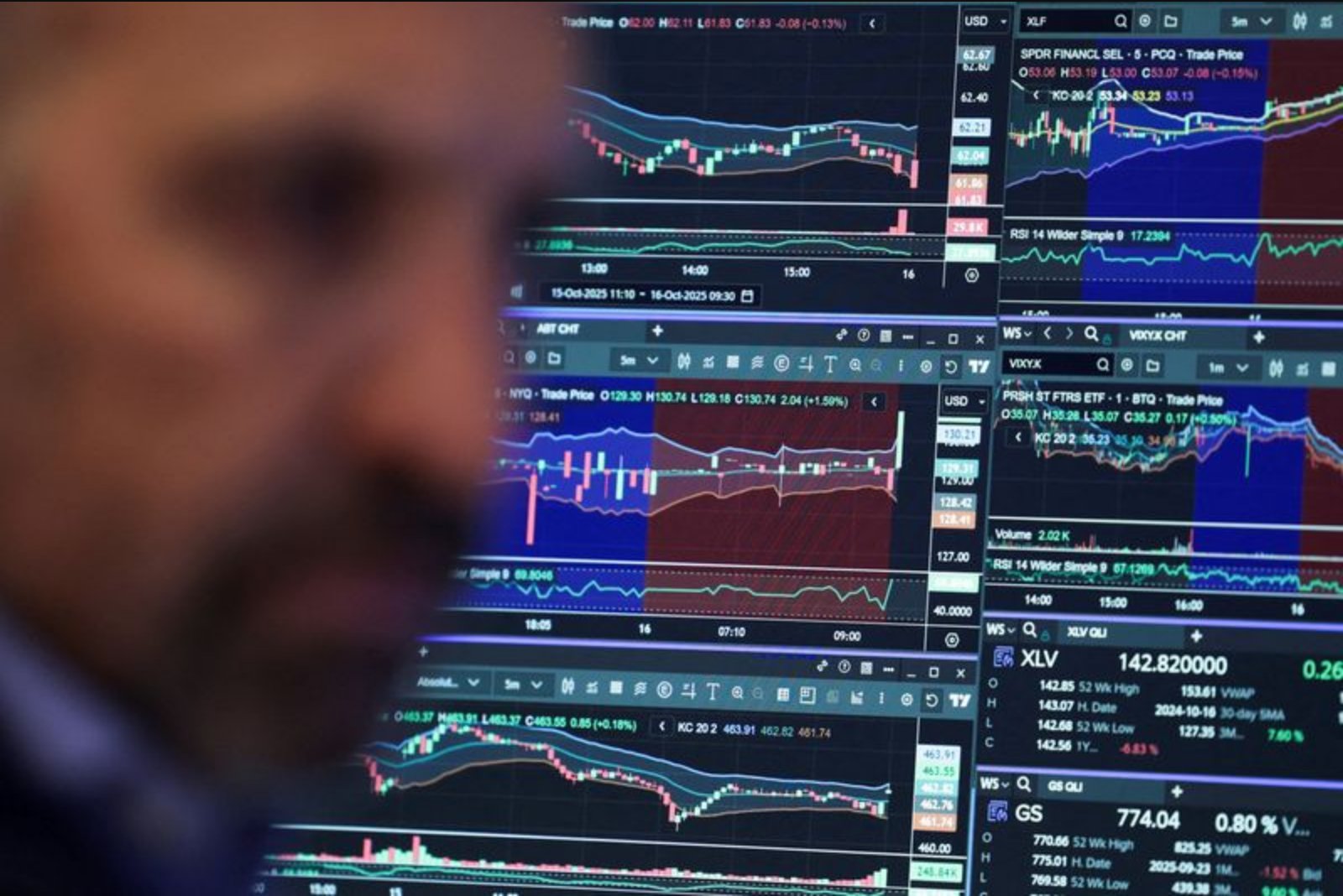
U.S. investors stepped up purchases of equity funds in the week to April 8, with flows accelerating as market participants reacted to growing optimism about a short-term de-escalation in the Middle East. Expectations that a two-week ceasefire could ease pressure on oil and gas shipments through the Strait of Hormuz underpinned the shift into risk assets.
Data showed net buying of U.S. equity funds reached $9.76 billion for the week, about 80% higher than the $5.42 billion recorded the previous week. The pickup in demand for domestic equities came as political developments in the region suggested a possible reduction in immediate volatility.
Israel sought talks with Lebanon on Thursday, occurring ahead of anticipated peace negotiations between Washington and Tehran on Saturday. Those diplomatic moves raised hopes of de-escalation and the potential reopening of the vital waterway, which in turn appears to have influenced investor allocations.
Sector-focused funds saw their first weekly net inflow in three weeks, with total sector fund purchases amounting to $2.84 billion. Within that grouping, technology sector funds led net inflows with $2.43 billion, followed by industrial sector funds at $994 million and utilities at $494 million.
Fixed income also attracted meaningful capital. Bond funds recorded $9.6 billion of net inflows, broadly reversing the $10.14 billion of outflows recorded in the previous week. Short-to-intermediate government and Treasury funds were a major beneficiary, registering sizable net gains of $7.28 billion compared with $366 million of net purchases a week earlier.
Investors also added municipal debt funds and inflation-protected funds, with net purchases of $866 million and $709 million, respectively. Meanwhile, money market funds received a gross $9.7 billion in inflows, marking a second consecutive week of positive flows into cash-like instruments.
Contextual note: Market flows during the week reflected a mix of renewed appetite for equities alongside continued demand for shorter-duration government debt and liquidity holdings. The balance of these moves suggests investors were reallocating across risk and safety instruments in response to evolving geopolitical signals.