
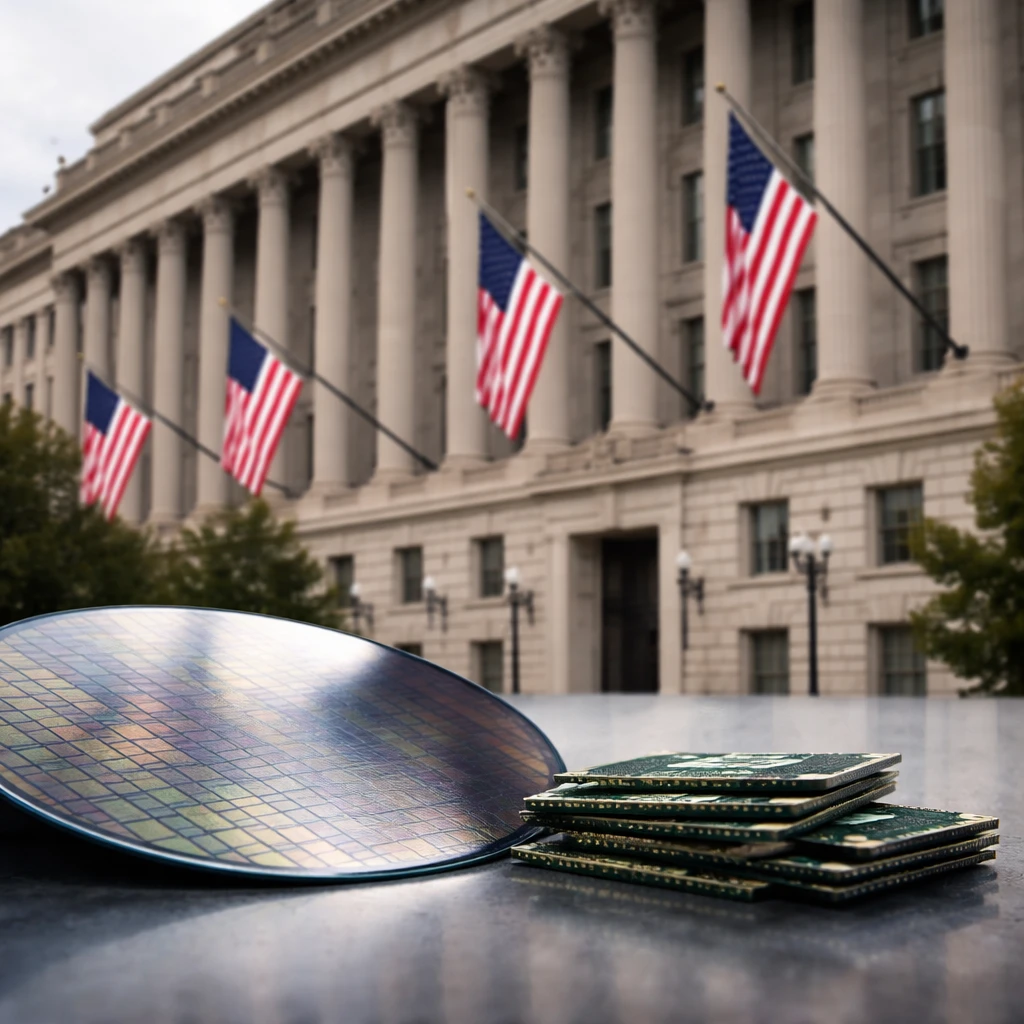
The U.S. administration has halted plans to add Chinese artificial intelligence developer DeepSeek and memory chipmaker ChangXin Memory Technologies (CXMT) to the Commerce Department's Entity List, despite prior interagency clearance to do so.
The decision delays formal placement of the two firms on the trade blacklist at a time when Washington appears to be weighing the diplomatic consequences of further escalation with Beijing on trade, technology and national security matters.
Officials have identified more than 100 companies as posing national security concerns and have prepared them for publication on the Entity List. Of those, at least 75 are Chinese entities tied to advanced semiconductor development, chipmaking equipment and artificial intelligence work, and they remain pending official listing.
DeepSeek rose to international attention last year for its low-cost AI models and is accused by U.S. officials of providing support to China’s military and intelligence operations. CXMT, which is described in U.S. government materials as China’s leading memory chipmaker, has previously been designated by the Pentagon as a Chinese military company.
Being placed on the Commerce Department’s Entity List typically restricts the ability of U.S. companies to export goods, software and technology to listed entities without obtaining special licenses. Those export controls are a key instrument in Washington’s efforts to manage technology transfer linked to national security risks.
Notably, there have been no announced additions to the Entity List since October 2025. Experts tracking the process say that interval represents the longest span without updates in more than a decade, underscoring a prolonged pause in public action even as many firms await formal designation.
Context and implications
The pause in adding DeepSeek and CXMT does not change the prior determinations made by interagency reviewers, but it does postpone the legal and commercial consequences that accompany formal Entity List placement. For companies that remain on a waiting list, uncertainty about timing and scope of restrictions continues.
The situation highlights competing priorities for U.S. policymakers: applying export controls to address perceived national security threats while attempting to avoid rapid escalation in tensions with Beijing.