
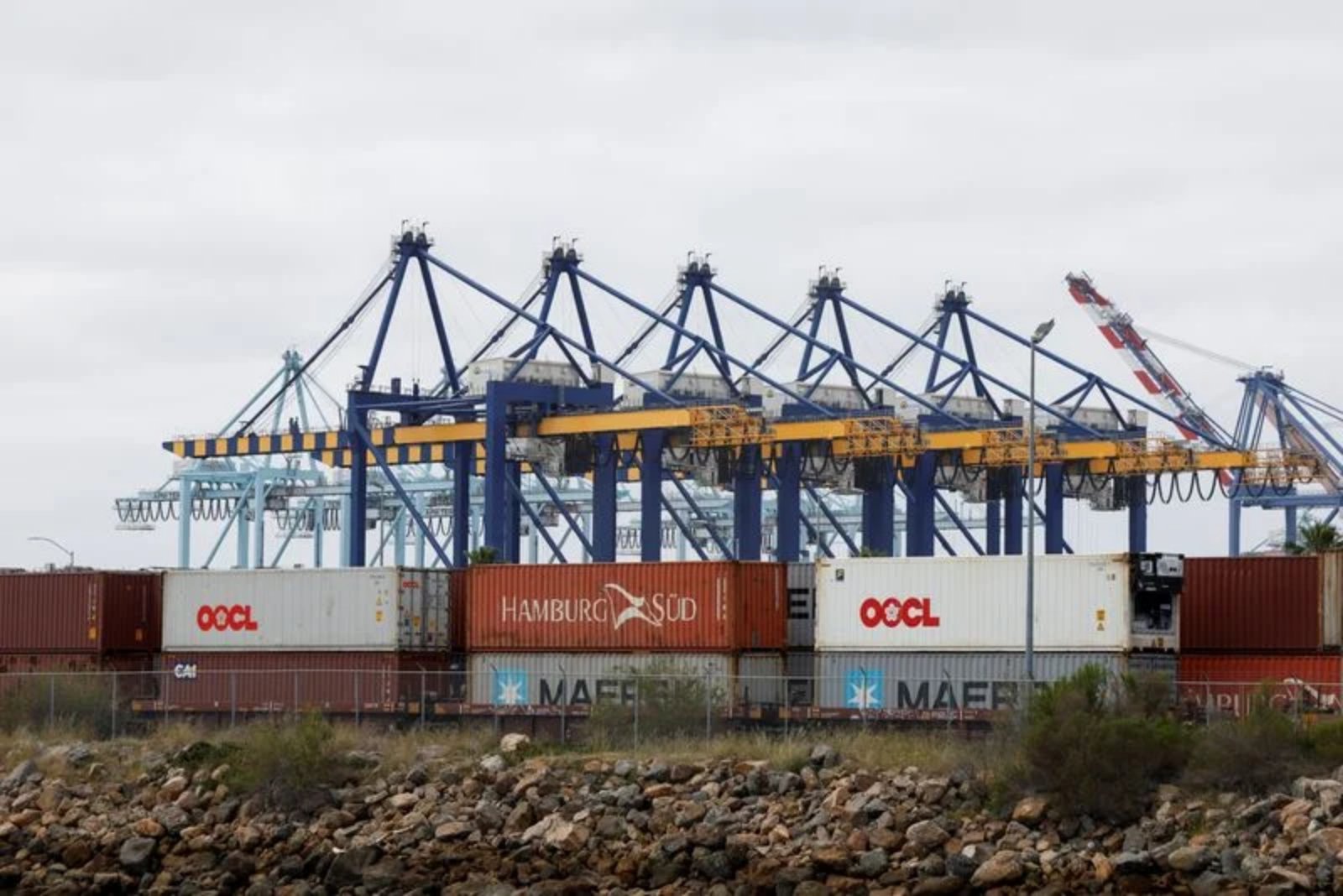
On June 9, officials from U.S. Customs and Border Protection (CBP) were due in the federal trade court in Manhattan to pursue a path toward returning tens of billions of dollars in duties that the U.S. Supreme Court found to be illegal. Judge Richard Eaton of the U.S. Court of International Trade characterized the session as a negotiating forum intended to identify what remains to be done to deliver the balance of the roughly $166 billion the high court struck down.
In a letter filed on the court docket dated June 3, Eaton said that the substantive legal questions had been resolved by the Supreme Court or by settled law, and that what remained were effectively settlement negotiations. "All of the substantive law in this case has either been decided by the Supreme Court, or is the subject of settled law," Eaton wrote. "All that remains are, what might be termed, settlement negotiations."
CBP has reported that it has accepted and begun processing claims that total nearly $90 billion, which are part of what the agency views as up to $127 billion in so-called Phase 1 refunds. Those Phase 1 matters are described by CBP as the least complicated refund cases. In a June 4 court filing, CBP said that $22 billion in refunds have been completed and forwarded to the U.S. Treasury Department for distribution to importers.
Beyond Phase 1 lies a group of cases that CBP describes as more legally complex, primarily involving liquidated tariffs. The liquidation process, as the parties describe it, starts when an importer pays an estimated duty; around a year later CBP finalizes that tariff amount in an act called liquidation. CBP has told the court that it can process liquidated tariffs only in certain circumstances or if the importer initiates litigation.
Smaller importers constitute the vast majority of those who paid the contested duties. Many of these businesses have expressed concern that the expense, time and operational distraction of filing suit will outweigh the potential benefit of recovering a refund, effectively creating a barrier for them to recover money they paid under the now-invalid tariffs.
The June 3 letter from Eaton was issued in the context of a dispute over who from CBP should attend Tuesday's hearing. Eaton had ordered that the CBP commissioner appear in person, a directive the government resisted. The U.S. Court of Appeals for the Federal Circuit temporarily stayed Eaton's order, and Eaton subsequently agreed to allow CBP to be represented by a lower-ranking official at the session.
CBP and other government filings have also raised an additional procedural point: the Supreme Court's decision last year that federal judges lack authority to issue nationwide injunctions. That ruling underlies part of the government's resistance to broad judicial remedies.
To address the nationwide scope of refunds without requiring each importer to file an individual lawsuit, parties seeking recovery have asked Eaton to certify a class of all importers who paid the illegal tariffs. Class certification, if granted, would provide a mechanism for a single judicial order to apply to all affected importers and could significantly simplify the refund process.
The tariffs at issue were imposed under an emergency economic statute by U.S. President Donald Trump and were struck down by the U.S. Supreme Court in February. The Trump administration has continued to use other legal authorities since then to impose different tariffs as part of its broader trade policy.
Contextual note: The court session on June 9 is intended to move the refund process forward by addressing remaining procedural and practical barriers to returning the funds that the Supreme Court determined were unlawfully collected.