
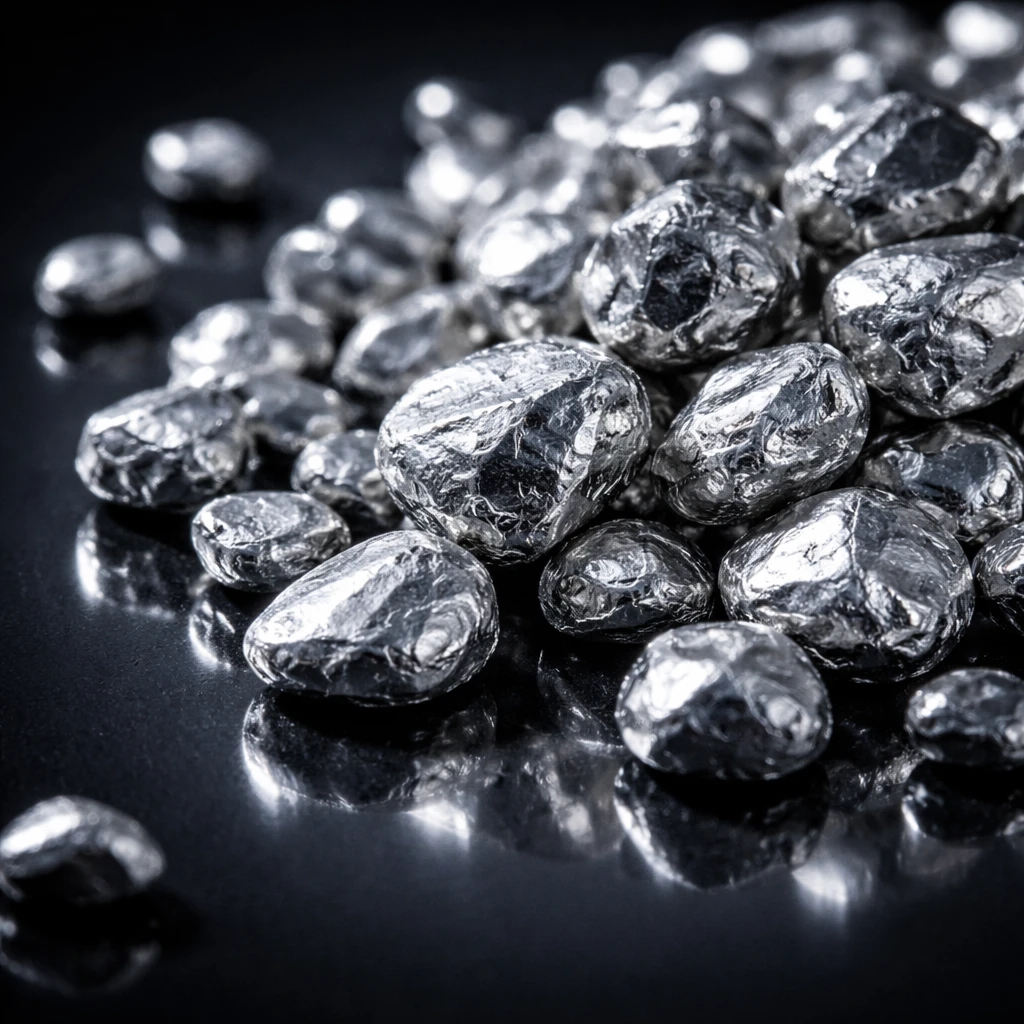
UBS has elevated its palladium price forecast by $300 an ounce to $1,800, attributing the increase to robust investment demand and shifting market dynamics. The bank highlights that investment flows, rather than traditional industrial consumption, have propelled recent price strength amid expectations of lower U.S. interest rates, a weaker dollar, and increased geopolitical tensions.
Key Points
- UBS has increased its palladium price forecast by $300 per ounce to $1,800 due to heightened investment inflows.
- Recent palladium price gains are driven primarily by investor demand influenced by expectations of lower U.S. interest rates, a weaker dollar, and geopolitical risks, rather than industrial consumption.
- Palladium demand patterns have shifted with electric vehicle adoption and autocatalyst substitution, but recent price dynamics suggest a potential return of palladium use in autocatalysts as it becomes cheaper than platinum.
In a recent client advisory, UBS announced an upward revision of its palladium price forecast by $300, setting the new target at $1,800 per ounce. This adjustment reflects a marked acceleration in investment demand for palladium over recent months. According to UBS analyst Giovanni Staunovo, the upgrade is primarily driven by significant inflows into palladium, which, given its relatively small market size, experiences considerable price volatility.
The bank noted that the recent upward momentum in palladium prices has been largely shaped by investors’ speculative positioning rather than by conventional industrial uses. Key factors influencing this trend include anticipations of reduced U.S. interest rates, a weaker U.S. dollar, and heightened geopolitical uncertainties. Staunovo pointed out that sustained strong investment demand could push palladium prices even higher. Conversely, should investment interest wane, the market appears to be roughly balanced in supply and demand, explaining UBS's preference for gold exposure in such a scenario.
Palladium demand patterns have evolved in recent years, with consumption by autocatalysts peaking in 2019. This peak coincided with palladium prices surpassing those of platinum, prompting some substitution away from palladium. Further downward pressure on palladium demand has stemmed from the growing adoption of electric vehicles, which do not require autocatalysts. Nonetheless, UBS highlighted that since mid-2025, palladium has experienced a rally alongside platinum and silver. With palladium currently priced notably lower than platinum, the bank anticipates that autocatalyst manufacturers may gradually revert to using more palladium.
Investment interest in palladium has notably increased, evidenced by burgeoning ETF holdings since mid-2025 and a significant rise in speculative futures positions after a period of net short exposure last year. Additionally, UBS suggested that China's introduction of yuan-denominated platinum futures contracts in Guangzhou might be bolstering demand for palladium, as part of broader activity within the platinum group metals trading sphere.
Risks
- Price volatility due to the relatively small market size of palladium, which can lead to large swings.
- Dependence on sustained investment demand; if investment interest diminishes, palladium prices may stabilize or decline, impacting the metals and mining sector.
- Shifts in industrial demand influenced by the adoption of electric vehicles and substitution between precious metals could alter palladium consumption patterns, affecting automotive and materials sectors.