
Futures linked to Canada’s primary stock benchmark moved higher on Wednesday following a U.S. presidential announcement of a temporary halt to military operations against Iran. By 06:56 ET (10:56 GMT), the S&P/TSX 60 index standard futures contract had climbed 43 points, an advance of roughly 2.2%.
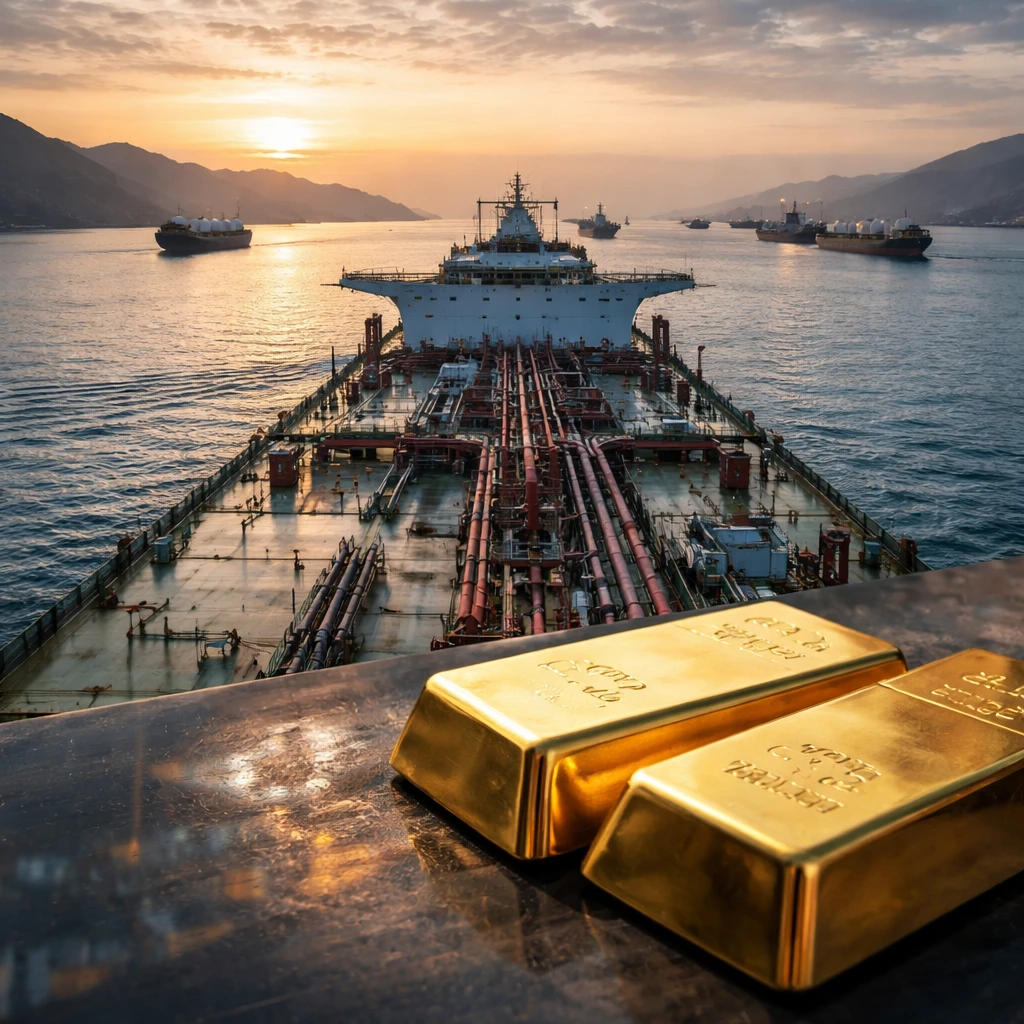
The rebound in the index was led by a pickup in gold prices, which helped support Canada’s commodity-heavy market and offset losses from sliding crude oil. Market participants said they would be monitoring oil movements through the Strait of Hormuz closely in the coming days, given the role tanker flows there play for energy markets.
U.S. futures reaction
Equity futures in the United States also rallied after President Trump said late on Tuesday that he had accepted a two-week suspension of military action against Iran. The announcement came just hours before an 8:00 p.m. Eastern deadline that had been set for Tehran to re-open the Strait of Hormuz or face severe strikes on critical infrastructure. Earlier in the escalation, the president had warned of plans to destroy all of Iran’s "civilization" if demands were not met.
In his statement, the president indicated that core U.S. military objectives had already been achieved and said Iran had presented a multi-point proposal that could be the basis for a broader accord. Iran also signaled a conditional willingness to reduce tensions, stating that safe transit through the Strait would be possible during the ceasefire period provided hostilities ceased and vessels coordinated with Iranian authorities.
Diplomatic efforts that culminated in the breakthrough included late-stage mediation, with Pakistan described as having played a central role in persuading both sides to step back from further escalation.
Oil markets and shipping flows
Global oil prices fell back below $100 a barrel as markets priced in the possibility of revived shipping through the Strait of Hormuz. The waterway handles roughly 20% of global oil flows, and tanker traffic there had been effectively suspended for weeks amid threats of Iranian attacks on vessels attempting transit.
Concerns had mounted that a prolonged closure of the strait would disrupt energy supplies worldwide, prompting closely watched market commentary about the route’s status. Analysts noted that while the framework of the ceasefire appeared to permit the full passage of oil tankers through the Strait, the specific conditions under which that would occur remained unclear. "For markets, the most critical issue remains the status of the Strait of Hormuz. The framework appears to allow the full passage of oil tankers through the Strait, but the terms under which this would occur remain unclear," said Neil Shearing, Group Chief Economist at Capital Economics, in a note.
Complicating the picture, some reporting suggested Iran had been formalizing a scheme to impose fees on certain ships for passage, and there continued to be uncertainty among some vessel operators over whether it was safe to navigate the waterway.
Gold and currency moves
Gold prices rose sharply in the hours after the ceasefire announcement, marking an almost three-week high as investors reassessed short-term geopolitical risk. Spot gold was up about 1.6% at $4,778.95 an ounce by 05:46 ET (09:46 GMT), after earlier touching its highest level since March 19. U.S. gold futures for June delivery climbed about 2.6% to $4,807.34 an ounce.
The precious metal’s performance during recent hostilities had been mixed. Earlier spikes in oil had lifted inflation concerns and raised expectations that the Federal Reserve might need to maintain higher interest rates for longer, a scenario that can be a headwind for non-yielding assets such as gold. Concurrently, investors had shifted toward the U.S. dollar, making gold more expensive for overseas buyers and reducing some of its demand.
Following the ceasefire news, however, a tracker of the dollar versus a basket of currencies was last noted as weaker by more than 1%, reflecting a partial reversal in safe-haven flows as hopes for de-escalation took hold.
Market surveillance and next steps
Market strategists and traders signaled they would keep a close eye on developments tied to tanker movements through the Strait of Hormuz and on whether the temporary pause in hostilities evolves into a more durable agreement. Continued uncertainty about the conditions for safe passage or any renewed threats to vessel traffic could quickly shift energy and commodities markets.
President Trump posted on social media on Wednesday that the United States would assist in relieving congestion in the strait, expressing confidence in the ceasefire and calling the development "a big day for world peace."
The near-term market reaction highlights the sensitivity of commodity-linked indices and energy markets to geopolitical developments. For now, gains in gold and the easing of oil prices are providing a positive tone for futures tied to Canada’s market, but observers emphasized that any changes in the status of the Strait of Hormuz will remain the principal variable to watch.