
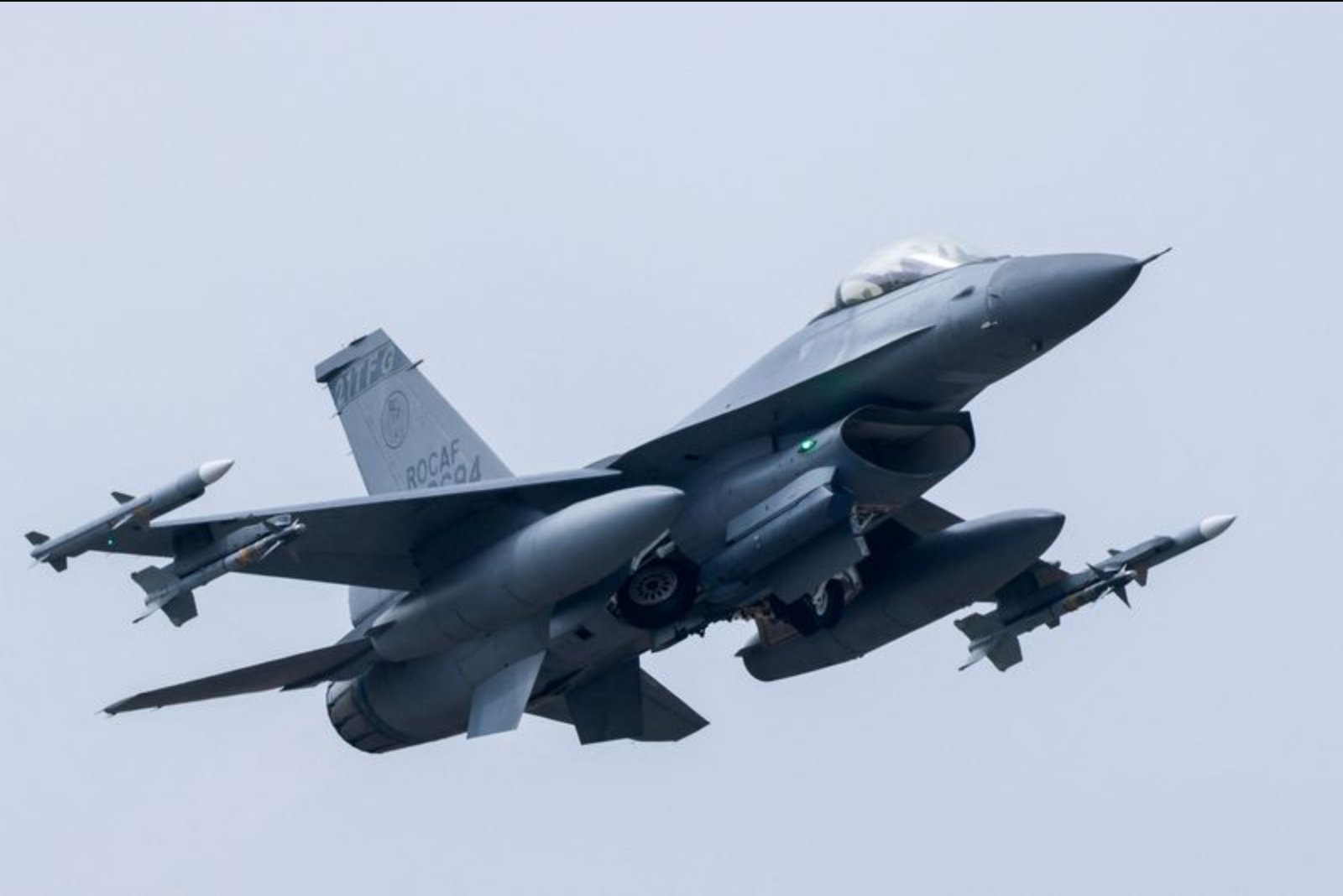
CHIAYI, Taiwan, Jan 28 - Taiwan’s air force carried out a readiness drill on Wednesday intended to display the speed at which its most advanced F-16 fighters can be rearmed, refuelled and launched back into the air. The exercise, held at the Chiayi air base in southern Taiwan, emphasized combat-oriented training and rapid turnaround of aircraft.
During the drill, ground personnel fitted a Lockheed Martin F-16V with U.S.-made AIM-9M Sidewinder and AIM-120 AMRAAM air-to-air missiles and completed refuelling and ammunition resupply tasks designed to shorten the interval between sorties. Weapons loading officer Wu Bo-jhih described the objective to reporters:
"This ensures that, in the shortest possible time, the aircraft can complete ammunition resupply and refuelling and quickly go out on the attack,"
Taipei conducts near-daily scramble operations to monitor and warn off Chinese aircraft that regularly fly around the island. The government in Taipei characterises many of those flights as part of an ongoing harassment campaign by Beijing, aimed at probing Taiwan’s defences, wearing down its smaller military and applying political pressure.
The readiness drill at Chiayi is consistent with a policy shift under President Lai Ching-te’s administration, which has prioritised defence modernisation and more realistic training formats. Officials have pushed to reduce reliance on scripted, exhibition-style manoeuvres in favour of exercises that approximate real combat conditions.
Pilot Shih Shun-de said the drill was intended to show the public the air force’s responsiveness. He commented:
"The scramble drill lets the public see the results of the air force’s realistic, combat-oriented training,"
These public demonstrations are routine ahead of the Lunar New Year holiday, which begins next month. However, Wednesday’s exercise was notable as the first to be presented to the media since China staged its most recent round of war games around the island in late December.
The repeated need to scramble provides Taiwanese pilots with regular exposure to China’s aircraft and operational patterns, giving them practical experience in identifying and reacting to foreign air activity. While Cold War-era interactions between the two air forces once produced frequent dogfights over the Taiwan Strait, no shots in anger have been reported in decades.
Speaking at the presidential office in Taipei during a promotion ceremony for senior officers on Wednesday, President Lai said the military’s training must be more practical, flexible and closer to real combat. He added:
"At the same time, we must develop a range of enemy-defeating strategies with agility, using technology and artificial intelligence to build a defence force that is effective, credible, and modernised,"
The Chiayi drill underscores Taiwan’s focus on rapid aircraft turnaround and combat realism as part of a broader defence modernisation programme. It also reflects the ongoing operational tempo required to respond to frequent incursions near the island.
Summary
Taiwan’s air force demonstrated rapid rearm and refuel procedures for F-16V fighters at Chiayi air base on Jan. 28, loading AIM-9M and AIM-120 missiles to show how quickly jets can return to combat air patrols. The exercise aligns with a shift toward combat-realistic training amid near-daily Chinese air activity around the island.
Key points
- Taiwan staged a rapid turnaround drill for F-16V fighters at Chiayi air base that included loading AIM-9M Sidewinder and AIM-120 AMRAAM missiles.
- The exercise reflects a shift in training policy toward combat realism under President Lai Ching-te’s defence modernisation programme.
- Frequent scrambles to monitor Chinese aircraft provide pilots with operational experience; the drills are timed ahead of Lunar New Year and were the first shown to media since China’s late-December war games.
Risks and uncertainties
- Continued near-daily Chinese air activity increases operational tempo for Taiwan’s air force, potentially straining personnel and maintenance resources - affecting defence and aviation sectors.
- Elevated military readiness and recurring drills could sustain regional tensions, creating uncertainty for geopolitical-sensitive markets linked to defence supply chains.