
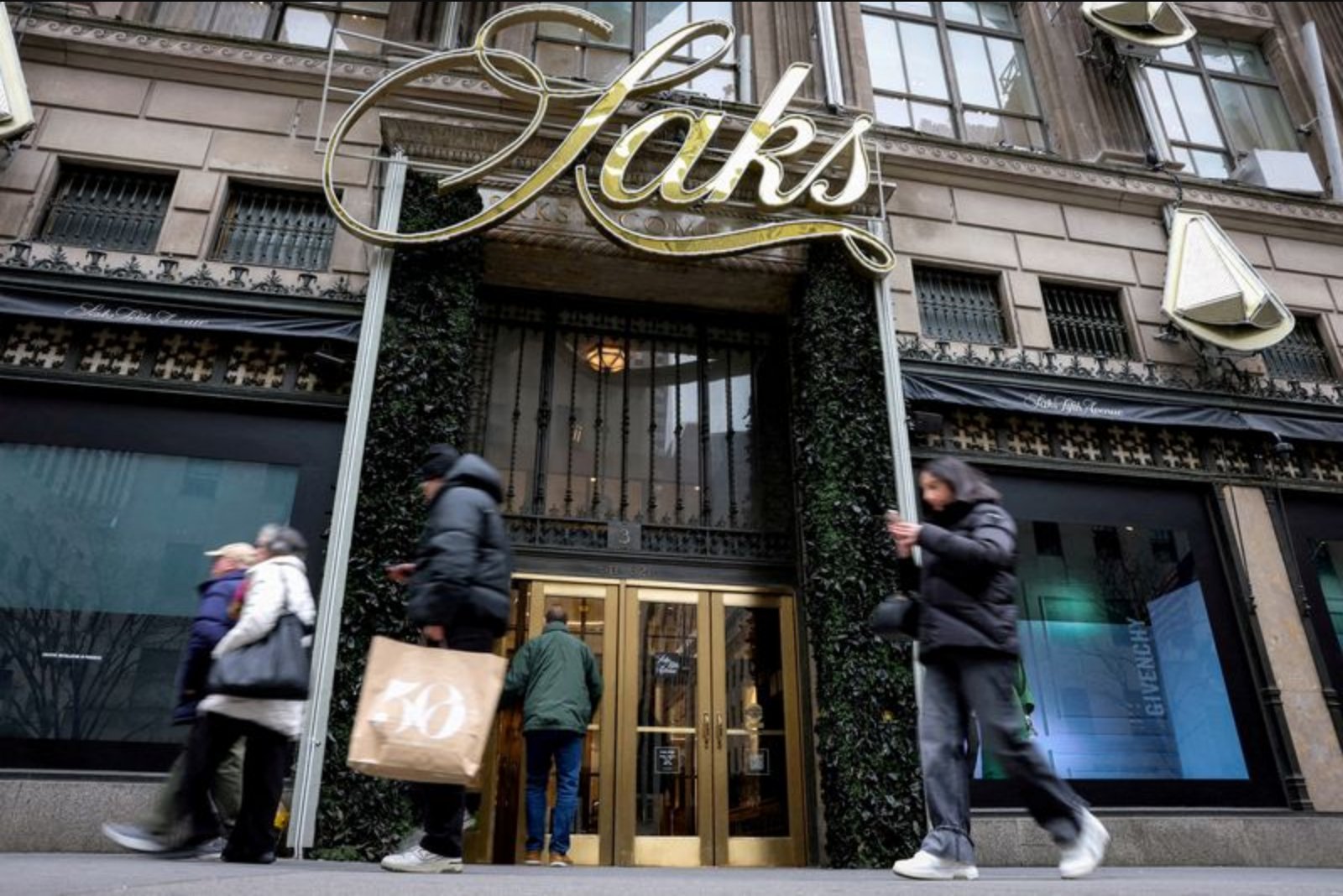
Saks Global, the bankrupt luxury retailer, is preparing to wind down its "Saks on Amazon" storefront, a person with direct knowledge of the decision said on Friday. The move follows the retailer's recent Chapter 11 filing and reflects management's intent to concentrate on business segments it believes will drive greater growth.
The partnership had already been in difficulty before the bankruptcy filing earlier this month, but Saks had not until now formally indicated it would exercise its rights under Chapter 11 to reject the contract with Amazon. The source said the company determined that maintaining the storefront was not delivering widespread brand participation and that directing shoppers to Saks.com would better serve the firm.
"The Saks on Amazon storefront saw limited brand participation," the person said, adding that Saks expects a stronger return by focusing on its owned e-commerce channel. Amazon was not immediately available for comment.
The arrangement between the two companies originated after Amazon invested $475 million in Saks' business in 2024. Under that agreement, Saks was to sell merchandise on Amazon and, in turn, pay the e-commerce company at least $900 million over an eight-year period.
Relations between the partners have become strained since the bankruptcy filing. At a recent court hearing, an attorney for Amazon argued that Saks had improperly pledged its flagship Fifth Avenue store in Manhattan as collateral for a $1.75 billion loan that is allowing it to continue operations during the Chapter 11 process. Amazon's lawyer contended that the Fifth Avenue property had already been pledged as collateral to secure Saks' payment obligations to Amazon under their partnership.
Those comments signal potential legal disagreements to come as the bankruptcy proceedings continue. The Amazon representative's assertion in court indicates disputes over how Saks has prioritized collateral and creditor claims while navigating Chapter 11 protections.
Beyond the creditor dispute, the partnership encountered resistance from luxury brands carried by Saks. According to two sources familiar with those brands' perspectives, several top labels were concerned that listing on a mass-market e-commerce platform would dilute their high-end positioning. Those brands were expected to use the bankruptcy negotiations as an opportunity to oppose aspects of the deal.
As Saks begins to unwind the storefront on Amazon, the company will aim to redirect its strategic efforts toward channels where it believes it can better cultivate traffic and brand alignment. How the legal disagreements over collateral and the pushback from luxury brands will be resolved remains uncertain and may play out in the ongoing Chapter 11 process.