
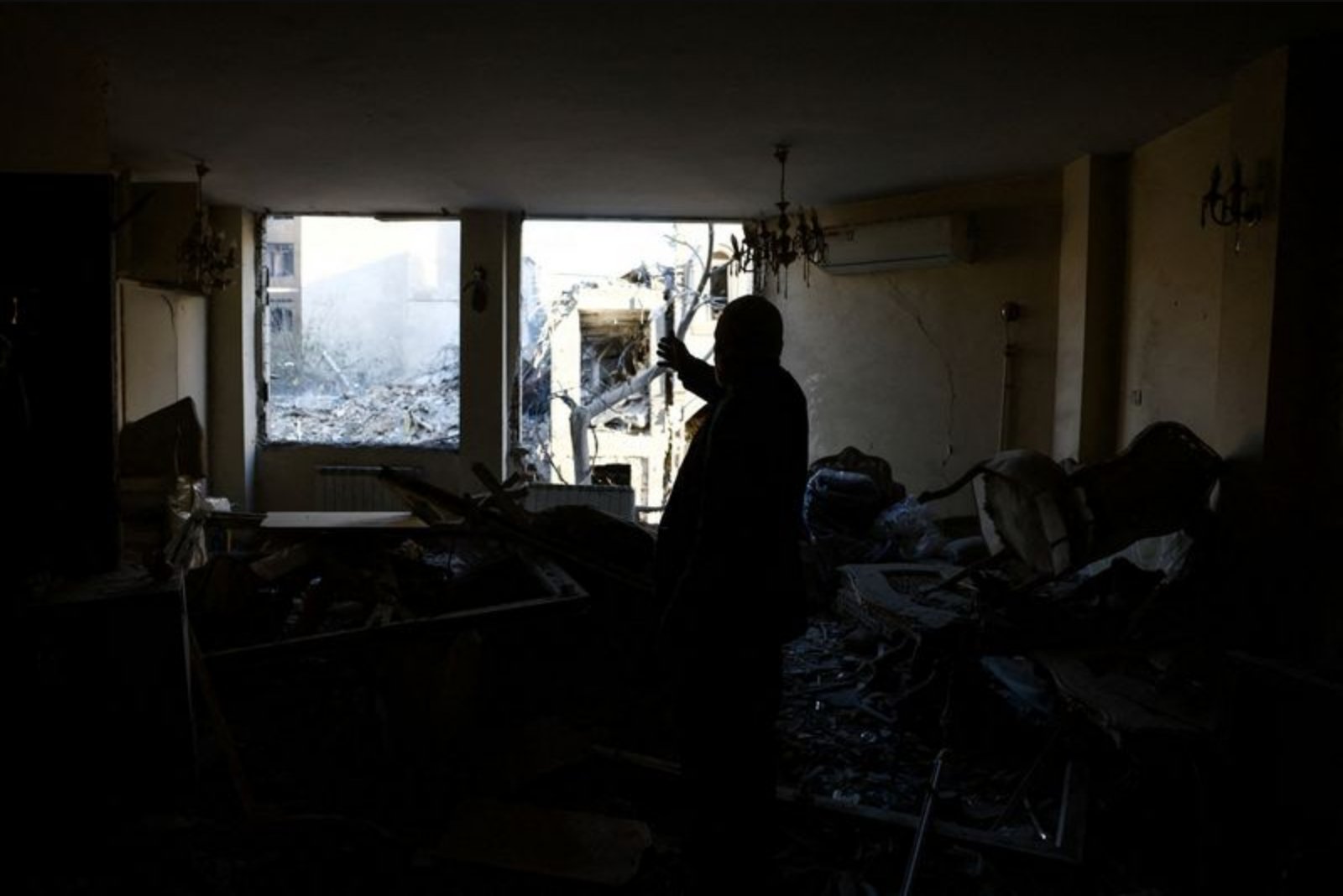
The conflict that began when the United States and Israel struck Iranian territory on February 28 has produced a heavy human toll across multiple countries in the Middle East. Hostilities expanded to include Iranian attacks on Israel, U.S. bases, and Gulf states, and opened an intense front in Lebanon. Major combat operations were largely paused after Iran and the U.S. agreed to a two-week ceasefire on April 8. Below is a country-by-country account of the death tolls reported during the period of active hostilities.
Iran
Iranian authorities and rights groups have reported thousands of fatalities inside Iran since the start of the conflict. Iran's forensic chief told state media that more than 3,000 people were killed during the war. An independent U.S.-based rights group, HRANA, reported a slightly higher figure, saying 3,636 people had died since the war began. HRANA's tally included 1,701 civilians, among them at least 254 children.
The rights group indicated on Wednesday that it would pause daily reporting on attacks and casualties, citing a shift in conditions on the ground and uncertainty about whether the ceasefire would hold. The Iranian military separately reported that at least 104 people were killed in a U.S. attack on an Iranian warship off Sri Lanka on March 4.
Lebanon
Lebanese officials have recorded a substantial death toll from Israeli strikes since March 2. Authorities placed the number of fatalities at a minimum of 1,830. The most intense single day of bombardment during this phase of the conflict occurred on April 8, when Israeli strikes killed more than 300 people.
Casualties among Lebanese forces were also reported. The Lebanese army said at least 14 soldiers had been killed since March 2, with the majority of those losses occurring in southern Lebanon. On April 10, the Lebanese presidency reported that 13 state security personnel were killed in an Israeli strike on a government building in the southern city of Nabatieh.
Hezbollah, the Lebanese armed group that launched attacks against Israel beginning March 2, suffered significant losses as well. Two sources familiar with Hezbollah's internal accounting told Reuters that more than 400 of its fighters had been killed. It was not clear whether that figure was included in the totals reported by Lebanese authorities.
United Nations peacekeepers operating in southern Lebanon also sustained fatalities. Three Indonesian peacekeepers were killed in two separate incidents - one involving a roadside explosion and another involving a projectile.
Iraq
Iraqi health authorities reported at least 117 deaths since the onset of the crisis. Those killed included civilians, members of the Iran-affiliated Shi'ite Popular Mobilisation Forces, Kurdish Peshmerga fighters aligned with U.S. forces, and Iraqi police and army personnel.
On April 7, rockets fired from the direction of Kuwait struck a house in Khor al-Zubair near Basra, killing at least three people and wounding five, according to security and health officials. Separately, port security officials reported that one foreign crew member was killed in an attack on tankers near an Iraqi port.
Israel
Israeli emergency services reported 23 fatalities inside Israel caused by missiles launched from Iran and Lebanon. The Israeli military reported additional losses among its forces, stating that 12 soldiers had been killed in southern Lebanon. In a separate incident on March 22, Israeli forces misfired and killed an Israeli farmer near the Lebanon border.
United States
The U.S. Central Command reported 13 U.S. military service members were killed during the operations linked to the conflict, with more than 300 wounded. Of those killed, six died when a U.S. military refuelling aircraft crashed over Iraq, according to the U.S. military, while seven others were killed in action during operations directed against Iran.
United Arab Emirates
The United Arab Emirates reported 12 fatalities resulting from Iranian attacks, including two members of the UAE armed forces. Authorities said the most recent death was caused by debris from an intercepted attack that fell on the Habshan gas facilities in Abu Dhabi.
Qatar
Qatar's defence ministry said seven people died on March 22 when a helicopter crashed in Qatar's territorial waters after a technical malfunction during what the ministry described as "routine duty." The dead included four members of the Qatari armed forces, one Turkish serviceman from the Qatar-Turkey joint forces, and two technicians employed by the Turkish defence manufacturer Aselsan. No further details were released.
Kuwait
Kuwaiti authorities reported seven deaths linked to the conflict. That total included three people killed in Iranian attacks, two interior ministry officers, and two army soldiers.
West Bank
Four Palestinian women were reported killed in the Israeli-occupied West Bank in an Iranian missile attack.
Syria
Syria's state news agency SANA reported that four people were killed when an Iranian missile struck a building in the southern city of Sweida on February 28.
Saudi Arabia
Saudi authorities reported two people killed and 12 wounded when a projectile fell on a residential location in Al-Kharj city on March 8, southeast of Riyadh. Attacks on energy facilities were also reported to have killed one Saudi national employed in industrial security at a Saudi energy company, according to the state news agency on April 9.
Bahrain
Bahrain's interior ministry said two people were killed in two separate Iranian attacks, one of which struck a residential building in Manama. The UAE's defence ministry also reported that one of its civilian contractors was killed in an Iranian attack on Bahrain; the contractor was identified as a Moroccan national.
Oman
Omani officials reported two fatalities on March 13 in a drone strike on an industrial zone in Sohar province, marking the first reported deaths inside the country during the conflict. Separately, a person died when a projectile struck a tanker off the coast of Muscat, according to the vessel's manager.
France
France reported one soldier killed and six others wounded in northern Iraq after a drone attack while they were engaged in counter-terrorism training.
The two-week ceasefire agreed on April 8 has largely halted the most intense phase of hostilities, but reporting and casualty assessments vary by source and by country. Several local authorities and rights groups have said they will adjust reporting practices as the situation evolves and as uncertainty about the durability of the ceasefire remains.