
Stock Markets January 21, 2026

Raytheon Wins $381 Million Contract Enhancement for Tomahawk Missile Modernization

Contract Expands Scope for Missile Recertification and Spare Component Provisioning with Work Across Key U.S. Facilities

By Jordan Park RTX
Raytheon Wins $381 Million Contract Enhancement for Tomahawk Missile Modernization
RTX

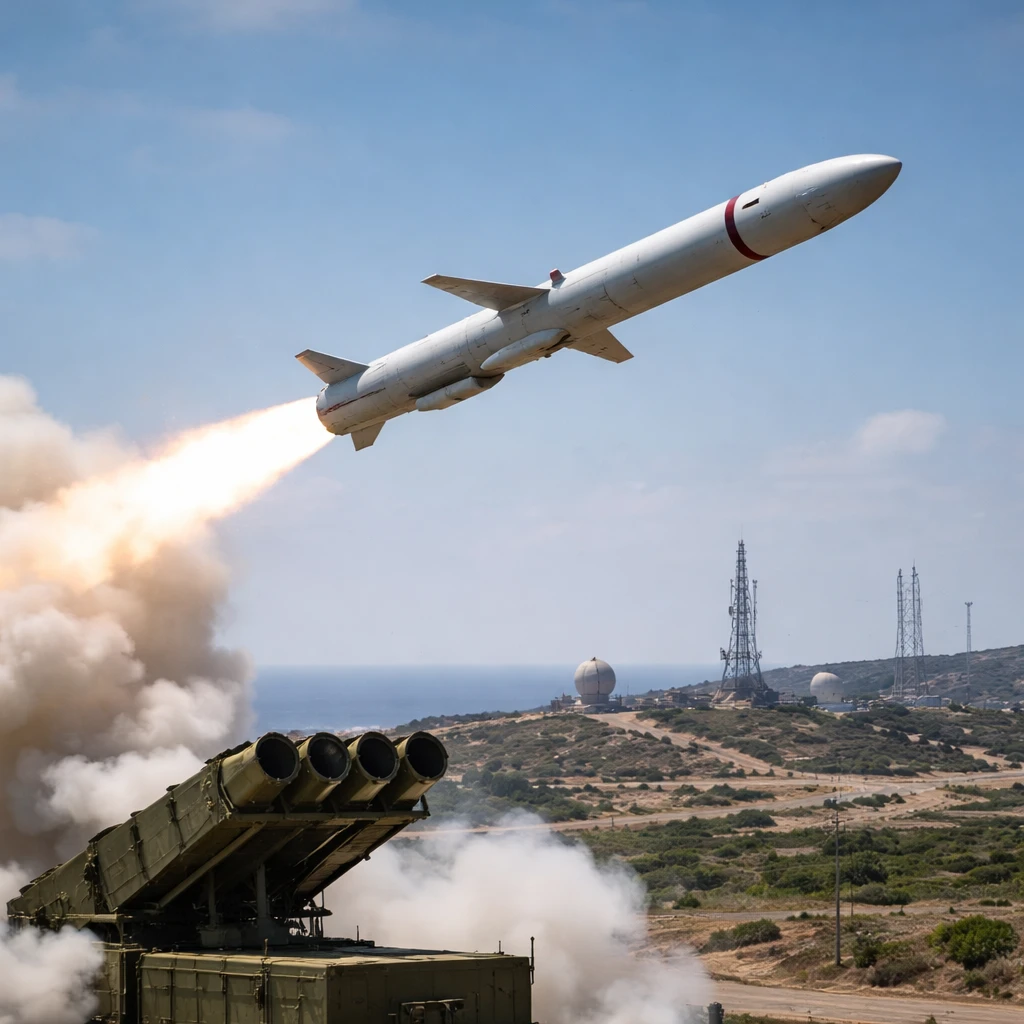
Raytheon Company has secured a $380.8 million contract modification to advance the certification and upgrade of Tomahawk missiles, extending the company's involvement in missile depot maintenance and modernization. The agreement, which adds substantial work for missile Lot Five and Lot Six, pushes the total contract value to $476.5 million, with operations planned through 2029. Funding spans multiple fiscal years, drawing from various U.S. military sources and Foreign Military Sales. Separately, Raytheon received an additional $59 million contract modification for engineering support on Standard Missiles 2 and 6, linked to allied nations' procurement efforts.

Key Points

  • Raytheon has received a $380.8 million contract modification to continue modernization, recertification, and depot work for Tomahawk missiles, increasing the total contract value to $476.5 million.
  • The contract spans various locations in the U.S., primarily Tucson, Arizona; Boulder, Colorado; and Pontiac, Michigan, with an expected completion date in April 2029.
  • An additional $59 million contract modification was awarded for Standard Missiles 2 and 6 engineering support, involving Foreign Military Sales to allied nations such as Australia, Chile, Denmark, and South Korea.

Raytheon Company has received a $380.8 million contract modification from the U.S. Department of War to support continued work on the Tomahawk missile system. This contract amendment finalizes a fixed-price incentive and firm-fixed-price agreement, increasing the overall contract value to $476.5 million. The modification broadens the scope to include essential recertification and modernization services for Tomahawk missile Lots Five and Six. It also encompasses depot maintenance operations, hardware recertification, and the supply of missile spares and replacement parts.

The majority of this work will be conducted across several U.S. locations, with the highest activity in Tucson, Arizona (30% of the effort), followed closely by Boulder, Colorado (28%), and Pontiac, Michigan (11%). Completion of the contract's tasks is anticipated by April 2029.

Funding for this project will come from fiscal year 2024 and 2025 procurement resources allocated by different branches of the U.S. military. Of the total, $202.1 million originates from Navy weapon procurement funds, with an additional $155 million allocated from the fiscal 2025 Navy weapons budget. Foreign Military Sales (FMS) contribute $99.4 million, underscoring the international dimension of the program.

In a separate transaction, Raytheon secured a $59 million cost-plus-fixed-fee contract modification, providing engineering and technical support for Standard Missiles 2 and 6. This effort is connected to Foreign Military Sales agreements involving Australia, Chile, Denmark, and South Korea.

The Standard Missiles work is scheduled to take place primarily in Tucson, Arizona, with an expected completion date in March 2028. The funding is split between fiscal 2026 Navy research and development allocations (50%) and FMS funds from South Korea (25%), Chile (10%), Denmark (10%), and Australia (5%).

Risks

  • The contract relies heavily on funding from multiple fiscal years, including 2024 and 2025, potentially exposing the project to budgetary shifts or government spending changes affecting defense procurement.
  • The scale of coordination across several U.S. locations necessitates efficient project management to meet the April 2029 and March 2028 completion deadlines, with any delays possibly impacting missile operational readiness.
  • Dependence on Foreign Military Sales funding introduces geopolitical uncertainties that could impact continued financial support, especially amid fluctuating international defense agreements.

More from Stock Markets

SharonAI Files to Uplist to NASDAQ, Seeks $49-$51 Range for IPO Feb 2, 2026 Intesa Sanpaolo Says Domestic Lead Intact as UniCredit-Generali Talks Surface Feb 2, 2026 S&P 500 Pauses Near Flatline as Earnings Season Fails to Produce Typical Gains Feb 2, 2026 Obesity Drug Market Peak Shrinks as Pricing, Competition and Pills Reshape the Outlook Feb 2, 2026 Hedge Funds Shift Away from North America as Policy Uncertainty and Dollar Weakness Reshape Allocations Feb 2, 2026