
Puma and Adidas trace their beginnings to the same family home in Herzogenaurach, Bavaria, where brothers Rudolf and Adolf Dassler first launched a shoe business a century ago before a bitter split that divided the company. After the separation of the original firm Geda, Rudolf formed Ruda - later renamed Puma - while Adolf created Adidas. The two companies' headquarters remain within walking distance of one another in the same town.
Today Puma is poised to enter a new chapter under the influence of Anta, the leading sportswear company in China. Anta has agreed to acquire the 29% stake held by the Pinault family, the owners behind Kering, in a transaction valued at about $1.8 billion. The move would make Anta Puma's largest shareholder and values Puma at roughly $6.2 billion on the deal math.
Market reaction to the announcement was immediate: Puma shares rose 9% on Tuesday following the news. Analysts note the takeover could be a catalyst for a recovery in markets where Puma has underperformed, with Anta executives saying they see an opportunity to strengthen Puma's prospects in China. "We have a lot of insight how to make Puma more successful in China," Wei Lin, global vice president for sustainability and investor relations at Anta, told Reuters. "It is one of the most valuable brands in this industry."
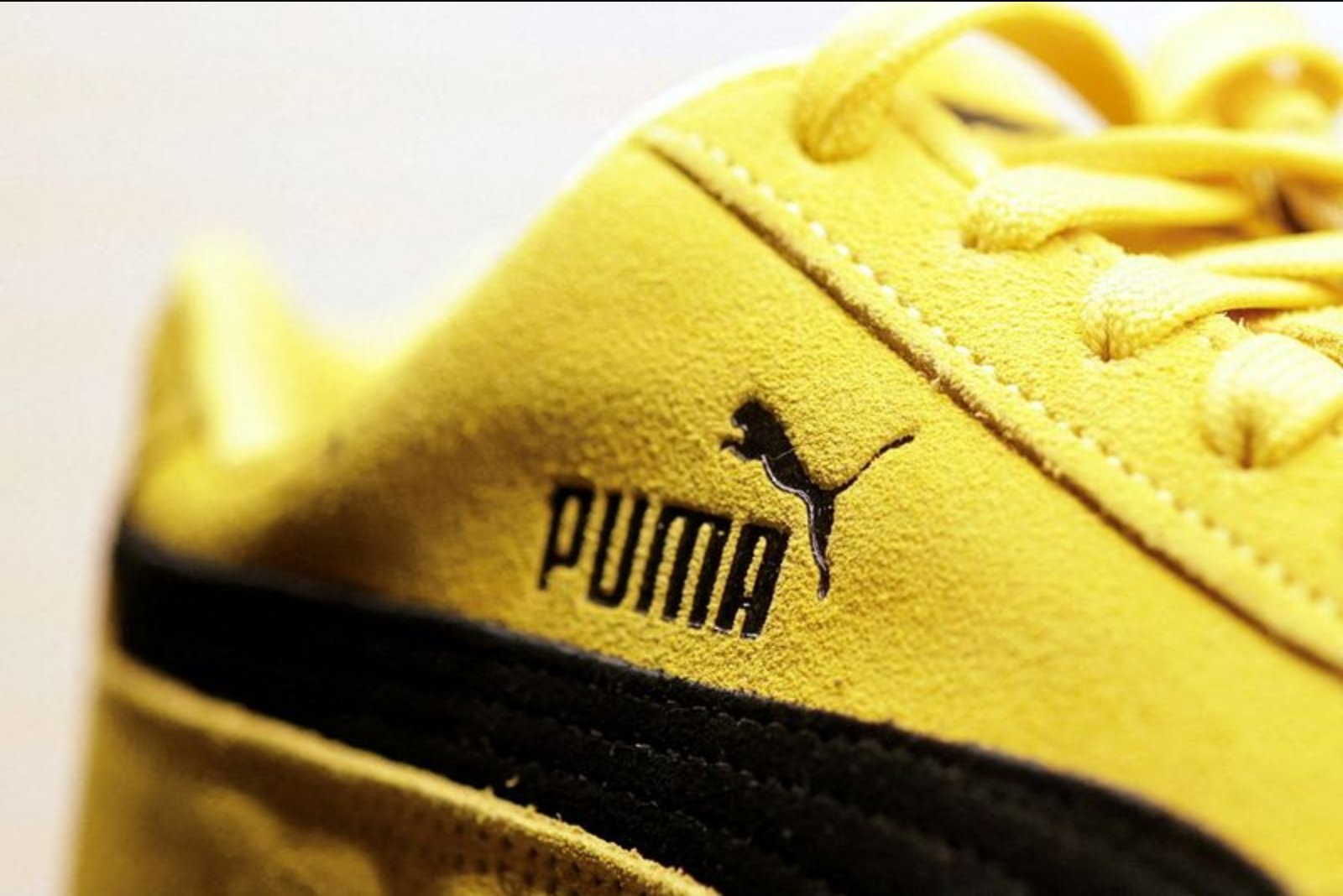
For Puma, the investment arrives against a backdrop of sustained weakness. The brand, famous for its leaping wildcat logo and models such as the Speedcat sneaker, has lost ground to rivals. While Adidas capitalised on retro 'terrace' footwear like its Samba shoe, Puma's newer launches struggled to capture comparable consumer attention, widening a sales gap between the firms.
Morningstar analyst David Swartz characterised Puma's strategic misstep as a drift toward lifestyle assortments over performance athletic footwear, saying "Puma became ... too dependent on maybe lifestyle products rather than performance sports shoes, which really drove this industry." He added that Puma's diminished revenues left it with less capacity to invest in high-profile athlete partnerships and other visibility-boosting marketing, with the result that "they don’t have the visibility."
Competition from newer entrants also chipped away at Puma's standing. Once the number three player in global sportswear after Nike and Adidas, Puma was challenged by brands such as On Running and Hoka, which gained traction in performance and lifestyle niches. Internal diagnosis from Puma's own leadership echoed those external assessments. In October, CEO Arthur Hoeld - who previously served as sales chief at Adidas and took the top job at Puma in July of last year - acknowledged strategic and channel issues, saying "Puma has become too commercial, over-exposed in the wrong channels, with too many discounts."
Hoeld outlined a turnaround plan in October with concrete measures: cutting 900 corporate roles, reducing reliance on discounting, tightening marketing, and streamlining the product range. Those steps are aimed at addressing structural problems identified by management and analysts alike.
Historically, Puma built its reputation on track spikes and soccer boots, products which were originally made at its Herzogenaurach factory. Manufacturing is now mostly sourced from factories in China, Vietnam, and Indonesia. The company, founded in 1948, enjoyed a strong run into the early 2020s; its shares reached a peak of 115 euros in late 2021. Since that high, the stock has tumbled approximately 80%, leaving Puma with a market capitalisation of about 3.2 billion euros on Tuesday - roughly $3.8 billion - or about one-eighth the size of Adidas.
Wider industry pressures have compounded Puma's internal issues. Trade-war related uncertainties have weighed on the retail sector broadly, and Puma has been particularly exposed amid intensifying competition and shifting consumer preferences. Analyst Felix Dennl of German bank Metzler said Adidas secured an early advantage in the retro sneaker movement, moving approximately six months before Puma. That "head start" allowed Adidas not only to capture consumer interest in terrace-style lifestyle footwear but also to carry that brand momentum into performance categories, Dennl said.
From a valuation perspective, the Anta deal prices Puma at a level that some consider relatively inexpensive versus its peers. The transaction implies an enterprise value of around one times Puma's forecast sales for 2027, based on Visible Alpha analyst estimates - a multiple that looks low compared to Adidas, Nike and Swiss competitor On.
Whether Anta's ownership will deliver a sustained turnaround remains to be seen. The deal could enable better distribution and tailored strategies in China - a market Anta knows well - and may provide capital and local know-how to reinvigorate Puma's product and marketing focus. But the company faces durable challenges on product mix, channel discipline and the need to rebuild visibility against strong peers who have already capitalised on current consumer trends.
Summary
Puma, founded in 1948 and historically rooted in the same Bavarian town as Adidas, has struggled in recent years with strategic missteps, intensified competition and declining revenues. Anta's proposed $1.8 billion purchase of a 29% stake could make it Puma's largest shareholder and offers a possible route to restore growth, especially in China. Management has signalled a turnaround plan that includes job cuts and reduced discounting, while analysts note Puma needs to refocus on performance footwear and regain marketing visibility.
Key points
- Puma's ownership change - Anta's acquisition of the Pinault family's 29% stake for about $1.8 billion values the brand at roughly $6.2 billion and drove a 9% share price gain on Tuesday.
- Strategic and competitive challenges include overreliance on lifestyle products, excessive discounting and being outpaced on retro sneaker trends that benefited Adidas; management has launched cost and product range measures to address these issues.
- Sectors impacted include global retail and sportswear manufacturing and distribution, with particular implications for the China market where Anta has local expertise.
Risks and uncertainties
- Execution risk - Puma's turnaround plan involves significant corporate cuts and strategic shifts that may not produce the intended results.
- Competitive pressure - rivals, notably Adidas and newer brands like On Running and Hoka, have captured consumer trends and market share, potentially limiting Puma's recovery prospects.
- Macroeconomic and trade headwinds - ongoing trade-related uncertainties that have affected the retail sector could continue to hinder Puma's sales and margins.