
Summary: A price protection clause in Anta's proposal for Artemis' 29% stake in Puma eased negotiations and ultimately clinched a deal valued at $1.8 billion. The provision obligates Anta to make an additional payment, calculated under a formula disclosed in Hong Kong Stock Exchange filings, if a higher bid to acquire additional Puma shares or to take the company private appears within 15 months of deal close.
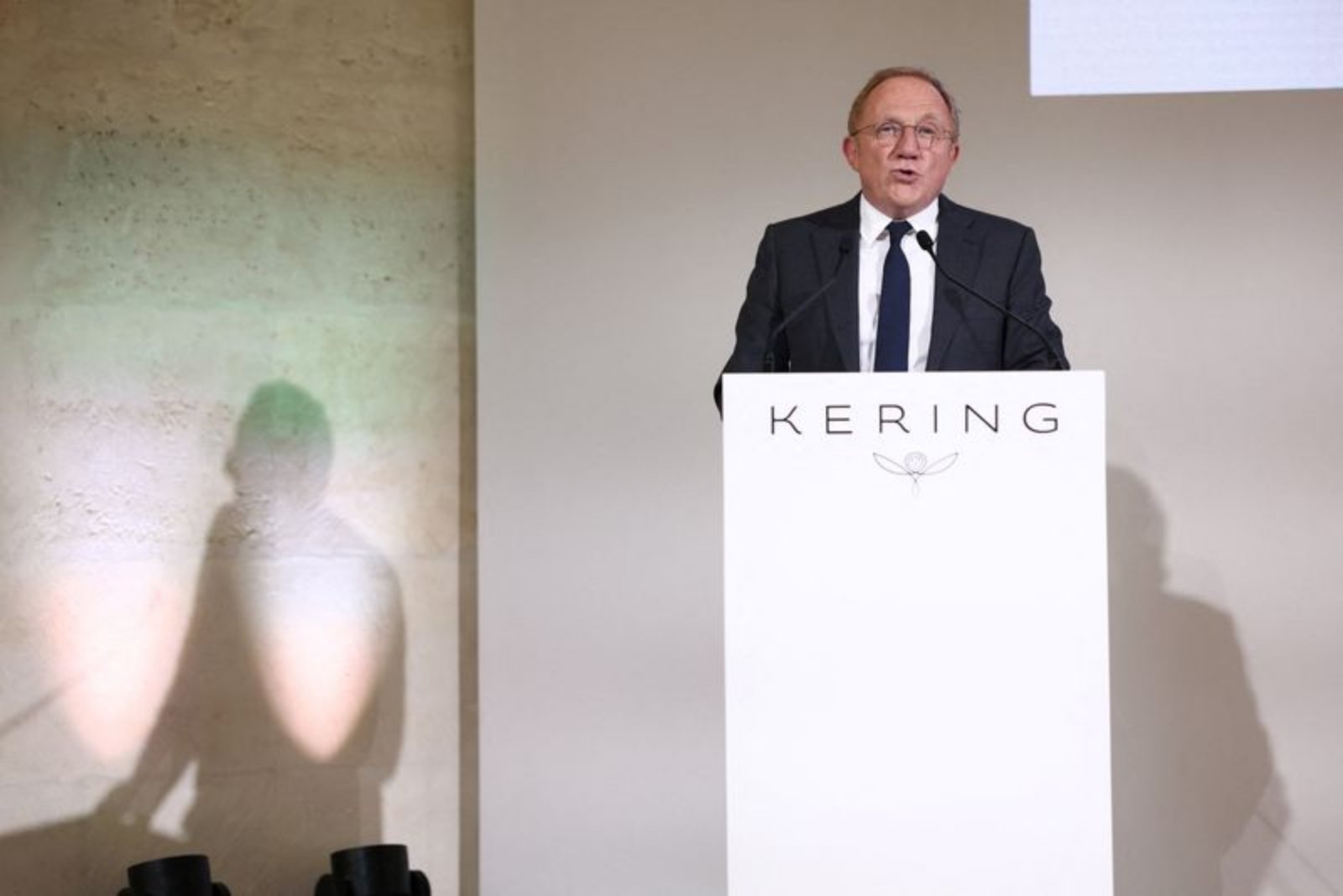
François-Henri Pinault's family vehicle, Artemis, agreed last week to sell its controlling minority stake in Puma to China's Anta for a transaction worth $1.8 billion. Sources familiar with the deal said the inclusion of an "anti-embarrassment" clause - a price guarantee ensuring Artemis would receive extra consideration if a superior offer emerges shortly after closing - was decisive in bringing the parties together.
Anta's proposal consisted of a cash offer of 35 euros per share for the 29% stake. That figure initially met resistance from Artemis. According to people close to the negotiations, Artemis at one point had sought more than 40 euros per share for the holding. The buyer's willingness to include the additional-payment clause narrowed the valuation gap and reduced Artemis' incentive to hold out for a higher immediate price.
Hong Kong Stock Exchange disclosures show that Anta, a company listed in Hong Kong, agreed to pay Artemis an extra amount computed by a formula if another party makes a bid to buy more Puma shares or attempts to take the German sportswear company private within 15 months of the deal's completion. The provision meant Artemis would share in any near-term upside that might materialize from a superior offer, without retaining the stake.
Negotiations began last autumn when advisers to both sides entered talks after Anta's initial approach. Sources told Reuters that Artemis had drawn heightened investor scrutiny due to elevated debt levels across its portfolio, stemming from efforts to diversify beyond luxury assets. That debt position prompted Artemis to seek liquidity, and François-Henri Pinault was looking to raise cash to reduce leverage.
Market observers and analysts had expressed concern that Artemis' indebtedness could complicate a turnaround at Gucci, Kering's flagship brand, though the sources cautioned that these were factors informing Artemis' decision-making rather than determinative statements about operational outcomes. At the same time, Puma faced pressure after several sneaker launches - including the Speedcat - failed to generate strong momentum, and the company's shares traded around 22 euros for much of 2025, less than half their value two years earlier, according to LSEG data cited by the parties.
Despite the urgency to raise funds, selling at a steep discount was not acceptable to Artemis. The sources said the price guarantee provision was one of the terms that allowed the two sides to bridge their differences. After discussions over the clause, the parties moved toward an agreement.
Ultimately, three strategic considerations prompted Artemis to proceed with the sale, the sources said. First, Artemis prefers to control assets rather than maintain minority positions. Second, the company wanted to redeploy capital toward sectors it views as offering greater value-creation potential. Third, Artemis concluded that it was no longer the optimal shareholder to support Puma's next phase under new CEO Arthur Hoeld. François-Henri Pinault had previously characterised the Puma stake as non-strategic.
Artemis itself described the transaction in a statement last week: "This disposal is consistent with the ongoing strategy implemented by Artemis to focus on controlled assets and to redeploy its resources towards new value-creating sectors."
Negotiations culminated in a meeting in Paris in early January, where Pinault and Anta Chairman Ding Shizhong, who had previously held talks after Anta's initial approach, finalised terms, according to a person involved in the discussions. The deal was formally closed last week, ending an extended consideration period over the future ownership of one of the world's larger sportswear manufacturers.
Anta told investors last week that it did not plan to launch an offer for the entirety of Puma. The Hong Kong filing that outlined the additional-payment mechanism serves as a safeguard for Artemis in case a competing bid or a take-private move emerges in the near term.
Exchange rate noted in filings: $1 = 0.8470 euros.
Contextual note: The reporting above reflects facts and descriptions provided by parties with knowledge of the transaction and filings related to the sale. Sources requested anonymity because the discussions and details remain private.