
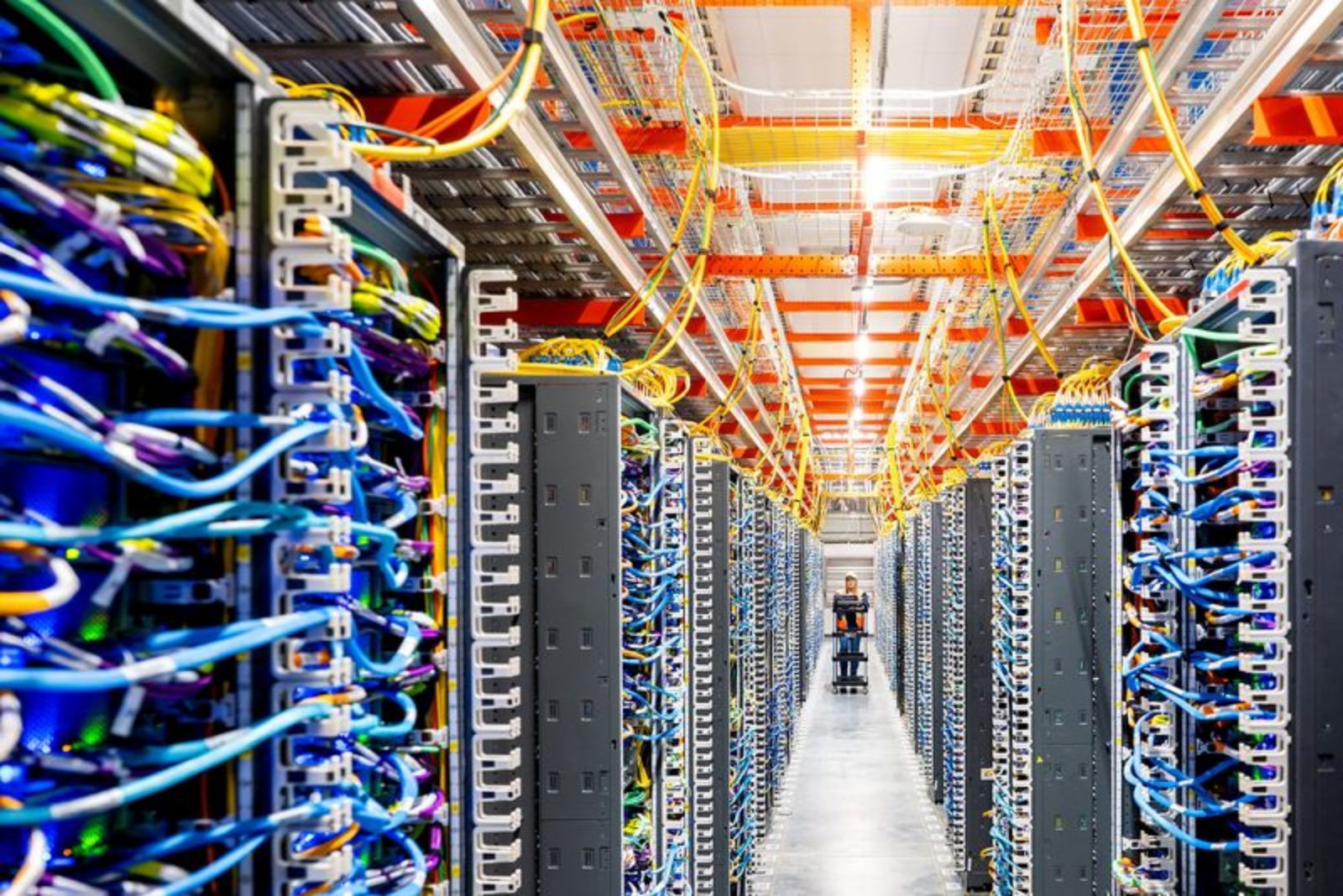
Amazon Web Services (AWS) has told Reuters that protracted waits for power grid connections across Europe are posing a material obstacle to its planned expansion of data center capacity on the continent. Energy-intensive sectors and large tech firms are pressing European policymakers to modernise ageing transmission networks, saying rapid access to dependable power is a critical factor in choosing new industrial sites.
Pamela MacDougall, AWS head of energy markets and regulation for EMEA, said the time required to secure a connection to the transmission network has moved to the forefront of investment decision-making for the company’s data centers. In her account, a grid connection in Europe can take as long as seven years to obtain - while the physical development of a data center typically requires roughly two years.
"The timeline for getting a grid connection had become one of the biggest deciding factors in the company’s data center investments," MacDougall said. "And we’re finding more and more across Europe that certainty of the delivery date has continued to be delayed."
MacDougall contrasted the European experience with the United States, where queues to connect to the grid average one to three years according to the International Energy Agency, though those waits can also occasionally extend to seven years.
European Commission proposals introduced last year aim to accelerate grid modernisation by capping approval deadlines for authorities handling grid permits at a maximum of two years and by exempting certain grid projects from environmental assessments. Those measures are currently under negotiation between EU countries and lawmakers.
Network congestion and long permit backlogs have made some planned AWS projects impractical. MacDougall said the company had sought to build infrastructure in "many countries" but that missing connections or constrained power networks rendered those plans infeasible. "There’s a misalignment. We want to expand and grow within two years," she said, adding that the delays were "challenging our growth aspirations."
Industry groups point to specific bottlenecks in countries such as Italy and Spain, where a backlog of so-called "speculative" connection applications - filings made as a precaution by projects that may not proceed - is slowing the process, the electricity industry association Eurelectric has said. First-come, first-served allocation rules mean projects that have applied early can block later applicants from advancing in the queue.
Long wait times for permits to upgrade transmission infrastructure are another factor identified by industry voices. Shortening these permit deadlines is among the legal changes proposed by the European Commission to speed grid upgrades.
MacDougall also serves as vice-chair of GIGA, an industry association formed last month to advocate for faster modernisation of Europe’s power networks. Other GIGA members include large cloud and social media companies and firms involved in electric vehicle charging infrastructure, with names such as Meta, Google and Fastned listed as participants.
Amazon continues to build data center capacity across Europe as it broadens the footprint of AWS, the world’s largest cloud provider, which supplies computing power, data storage and related digital services. The company does not publish an exact count of its European data centers, but it maintains infrastructure in more than 20 European countries and is expanding investments in markets including France, Germany and Spain.
Investment research and stock selection tools have also referenced Amazon amid these operational headwinds. ProPicks AI evaluates AMZN alongside thousands of companies using more than 100 financial metrics, aiming to surface risk-reward opportunities based on current data. The service highlights past winners such as Super Micro Computer (+185%) and AppLovin (+157%), and notes it assesses fundamentals, momentum and valuation without bias. It offers users the ability to see whether AMZN is featured in any ProPicks AI strategies or to find alternatives in the same sector.