
OPEC reduced its forecast for global oil demand in the second quarter by 500,000 barrels per day, according to the producer group’s monthly oil report published Monday. The downgrade represents the organization’s first public assessment of the Iran war’s direct effect on the market.
In the updated outlook OPEC now projects average world oil consumption of 105.07 million bpd in the second quarter, compared with the 105.57 million bpd estimate it provided in last month’s report. The group did not alter its full-year demand outlook, saying it expects consumption to recover in subsequent months.
OPEC said its downward revision affects both OECD and non-OECD countries and described the change as driven largely by "slight transitory weakness in oil demand growth, given ongoing developments in the Middle East." The statement specifically noted the revision pertains to "the second quarter of 2026" and attributed the adjustment to unfolding events in the region.
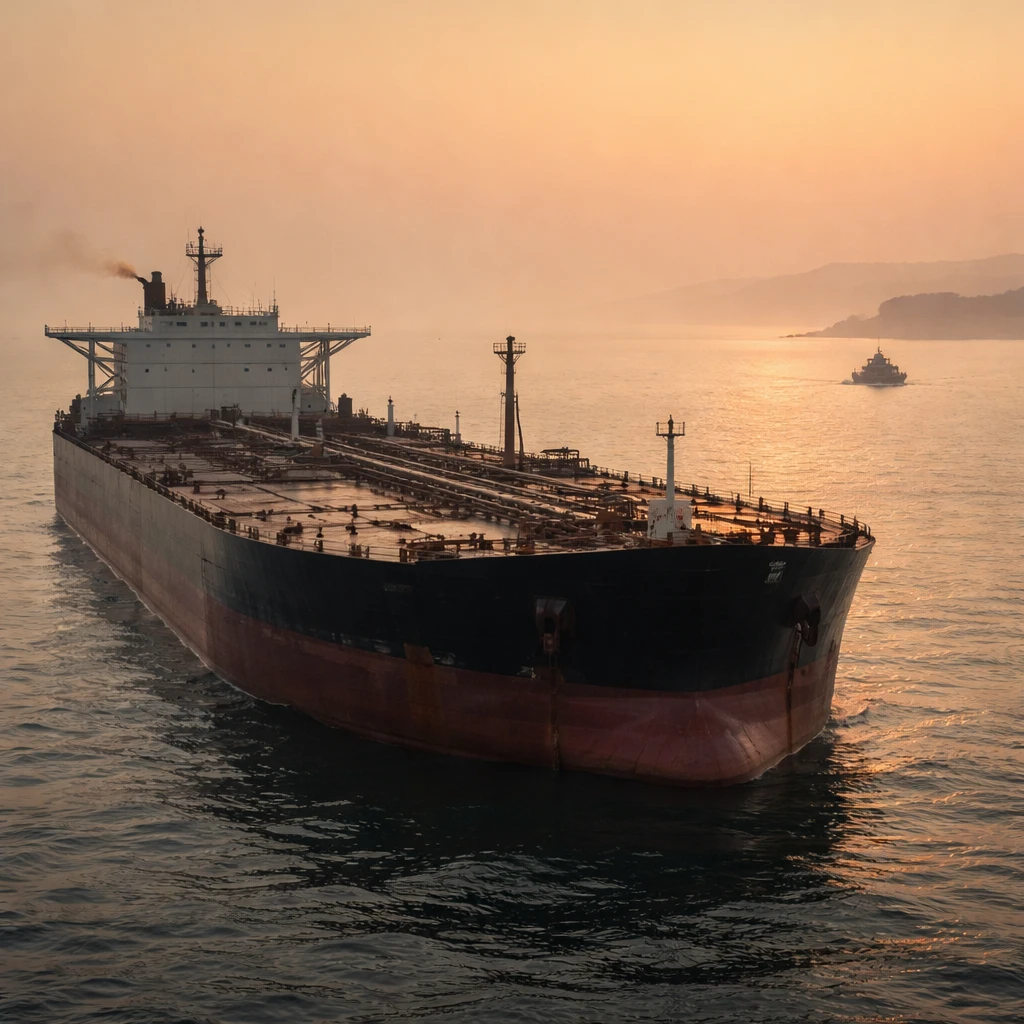
The report highlighted the broad market disruption tied to the conflict around Iran, pointing out that the Strait of Hormuz - a crucial artery for global oil shipments - has effectively been closed. That shutdown has taken millions of barrels of Middle East output offline and contributed to a surge in fuel prices.
OPEC acknowledged that its assessment of the war’s impact on demand is smaller for the year than estimates from some other forecasters, including the U.S. Energy Information Administration. Despite the Q2 downward revision, the producer group signaled confidence that consumption will rebound later, leaving the full-year view intact.
The report also linked higher prices to pressure on consumers and businesses worldwide, noting that governments have taken steps to conserve supplies in response to tighter markets. OPEC framed the second-quarter adjustment as largely temporary, tied to ongoing developments in the Middle East rather than a permanent shift in demand patterns.
"The demand growth for the second quarter of 2026 is revised down for both the OECD and non-OECD, driven mainly by slight transitory weakness in oil demand growth, given ongoing developments in the Middle East," OPEC said.
Where the immediate effects will be felt most includes energy markets and downstream sectors closely linked to fuel prices; broader consequences for consumers and corporate operating costs depend on how long supply constraints persist.