
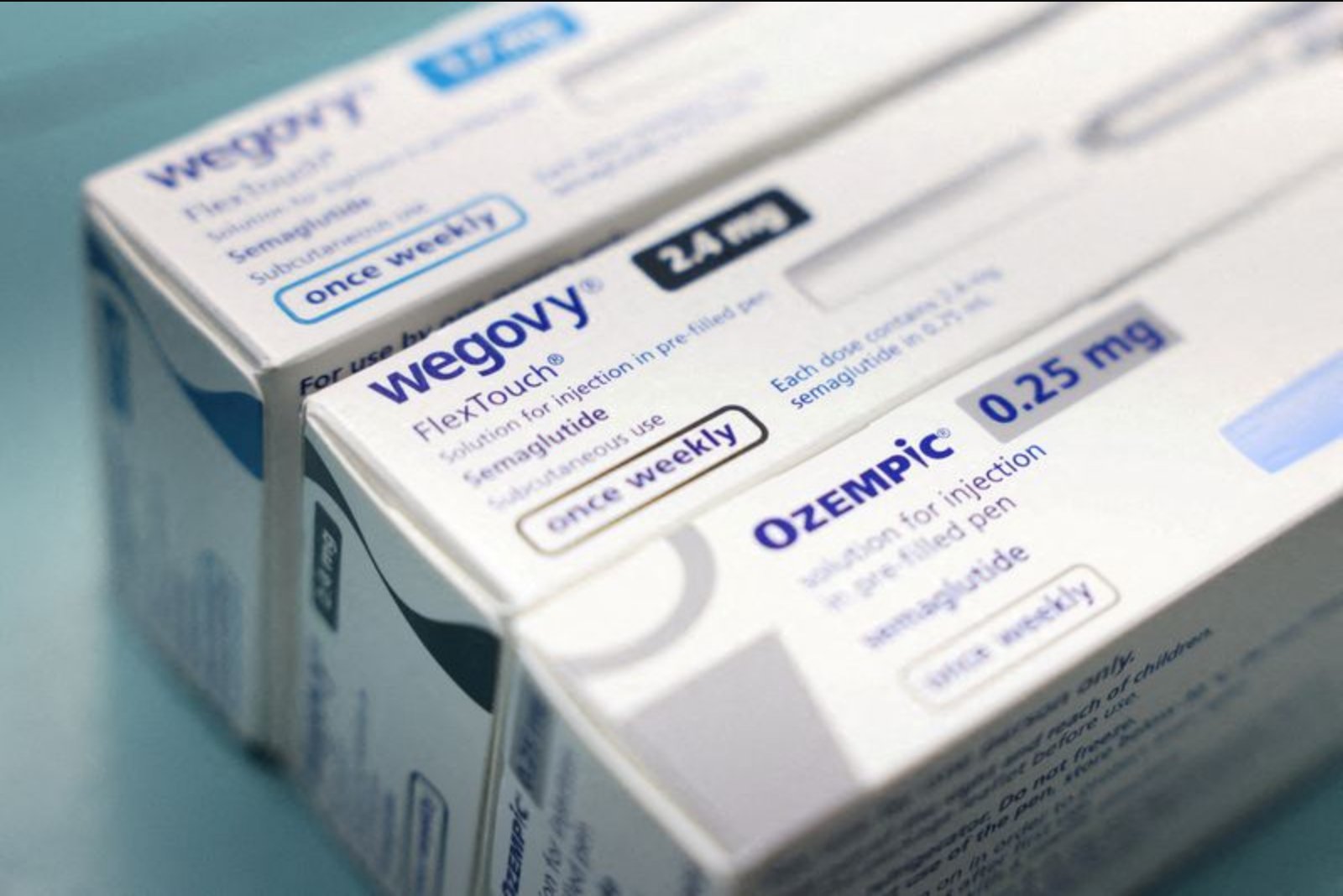
Data compiled by advertising tracker MediaRadar and reviewed by Reuters show a marked escalation in U.S. promotional activity for GLP-1 drugs in 2025, with Danish drugmaker Novo Nordisk substantially increasing its outlays to defend market share.
From January through September 2025, Novo spent an estimated $316 million promoting its weight-loss drug Wegovy in the United States and about $169 million on its diabetes treatment Ozempic, bringing the company's total advertising spend for those two medicines to roughly $487 million for the nine-month period. Both figures represent significant year-on-year increases - up 54% for Wegovy and 44% for Ozempic compared with the same period in 2024.
By contrast, Indianapolis-based Eli Lilly allocated an estimated $131 million to advertising its obesity drug Zepbound in the first nine months of 2025, compared with $2 million in the comparable period of 2024. Lilly also spent approximately $83 million promoting its diabetes medicine Mounjaro. Taken together, those expenditures put Lilly's 2025 U.S. ad spend for these GLP-1 products at about $214 million.
Neither company provided comments on their advertising budgets when asked. The MediaRadar figures have not been previously reported.
Questions remain on how Novo will approach advertising for a forthcoming oral formulation of Wegovy. David Moore, executive vice president of U.S. operations at Novo Nordisk, said the company intends to begin advertising the pill immediately and to drive sales through cash-pay, direct-to-consumer channels. That approach responds in part to uneven insurance coverage in the United States, which has led many patients to pay out of pocket for these therapies.
The United States is one of the few markets that permits direct-to-consumer advertising of prescription medicines. Critics argue that this system contributes to rising U.S. medical costs. The recent ad surge is not limited to the GLP-1 category - AbbVie, for example, spent more than $850 million promoting arthritis treatments Skyrizi and Rinvoq in the first nine months of 2025, according to the same advertising tracking context. AbbVie declined to comment.
Industry executives and analysts link the uptick in promotional activity to the shift in product availability following shortages in 2024. Producers struggled to keep pace with unprecedented demand last year; during that period Novo halted advertising and then resumed and expanded its campaigns as supply recovered, Moore said.
Competition between branded GLP-1 therapies has intensified on clinical and commercial fronts. Data released by Lilly in late 2024 from a large head-to-head trial showed patients taking Zepbound lost 47% more weight on average than those treated with Wegovy. That trial result has factored into the commercial dynamics: U.S. prescription volumes for Zepbound overtook Wegovy last year, giving Lilly an estimated 60% share of the obesity drug market for 2025, according to IQVIA data shared by a Wall Street analyst. IQVIA did not respond to a request for comment.
"When it comes to weight loss, Lilly has that edge with Zepbound, which is why, likely, Novo is looking to offset that with higher advertising investments," said Rajiv Leventhal, senior analyst for digital health at Emarketer.
A Lilly spokesperson said the company is committed to providing information across multiple channels to ensure consumers receive accurate, timely information about its drugs.
The advertising push comes against a backdrop of parallel commercial challenges. Both Novo and Lilly have confronted telehealth providers that sold compounded copies of their GLP-1 medicines while branded supplies were constrained. Those compounding pharmacies were able to market copies more freely during shortages; since supply normalized, some telehealth sellers have shifted to offering personalized doses that differ from branded products in dose size and regimen.
Outside observers caution that advertising alone cannot determine clinical choices. Rae McMahan, senior vice president of payer solutions at Prescryptive, which assists patients in finding lower pharmacy prices, said that while ads can inform, treatment decisions for GLP-1 drugs remain a conversation between patient and physician.
The broader picture emerging from the MediaRadar data is one of intensified commercial investment as manufacturers press advantages in supply, clinical data, and market share. Novo's near-half-billion-dollar U.S. ad program for Wegovy and Ozempic through the first nine months of 2025 contrasts sharply with Lilly's roughly $214 million spend on Zepbound and Mounjaro, underscoring a competitive advertising landscape for weight-loss and diabetes therapies in the United States.
The Reuters-reviewed figures also illustrate how uneven insurance coverage and direct-to-consumer channels are shaping commercial strategies for medicines that many U.S. patients pay for directly.
Embedded within this market tussle are regulatory and policy conversations about drug advertising. U.S. President Donald Trump and Health Secretary Robert F. Kennedy Jr. have sought to discourage pharma advertising through new disclosure rules, reflecting political attention to the issue. The impact of those policy efforts on promotional behavior in this product class remains a developing story.
Finally, broader industry advertising patterns in 2025 show pharmaceutical companies continuing to invest heavily in consumer-facing campaigns across multiple therapeutic areas as supply constraints ease and competition tightens.
The article also referenced a commercial evaluation tool promoting investment research on Lilly, noting it assesses LLY alongside other companies across many financial metrics and offers paid subscriber features. A related promotional line cited a "New Year’s Sale - 55% OFF."