
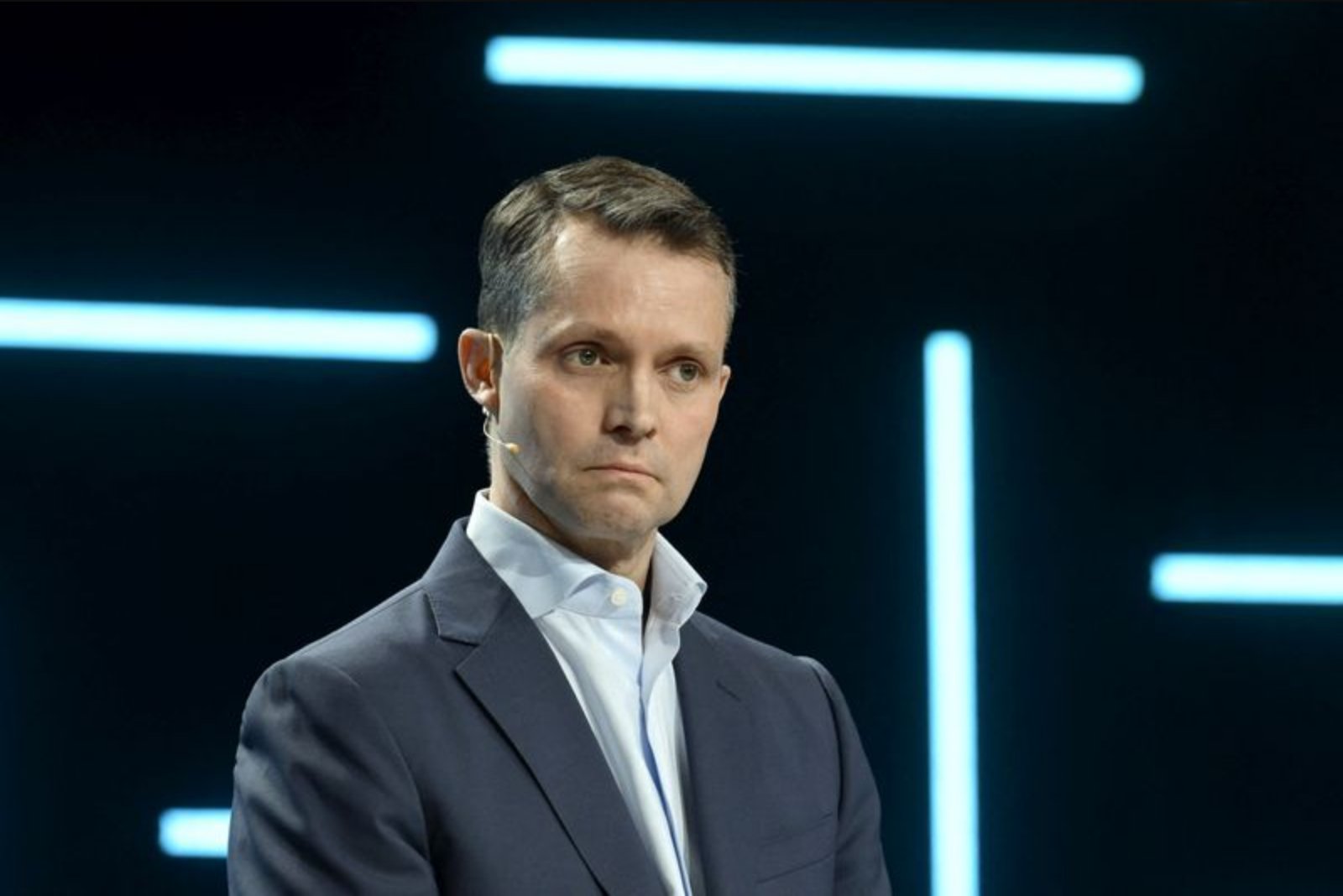
Nokia's chief executive, Justin Hotard, told Reuters that major technology companies cannot depend on a single continent for growth and competitiveness, arguing that both Europe and the United States are essential markets. "Every single one of us cannot subsist on one continent or the other. We need both," he said, underscoring the importance of wide market access for technology firms that must move quickly to capitalize on technology cycles. "Particularly in technology, where the window and the right to win is dictated by that technology cycle, it’s really critical that you have as big a market access as possible."
Hotard drew attention to the intertwined nature of scale for large firms on both sides of the Atlantic. "Every single one in Europe and the U.S. that is of scale is dependent on the European and U.S. market for scale. If you just do the analysis, there’s a significant codependence," he added.
The statement comes amid growing efforts by European policymakers to strengthen domestic technology capacity while Western governments reassess exposure to certain Chinese suppliers. Nokia and its Swedish peer Ericsson have been positioning themselves as secure Western providers of network equipment at a time when many governments are re-evaluating their vendor relationships.
The United States does not have a major domestic supplier of telecom equipment, which has left U.S. carriers dependent on companies such as Nokia, Ericsson and South Korea’s Samsung following bans on Chinese vendors for national security concerns. In Europe, regulators are also taking steps that could further limit the presence of some Chinese firms in critical infrastructure.
Earlier this month, the European Commission proposed measures to phase out so-called high-risk vendors from critical sectors, including 5G networks. That proposal may further constrain Huawei’s market share in Europe and could, if implemented broadly, create additional opportunities for Western suppliers like Nokia and Ericsson. These prospects arrive after several years of subdued 5G investment across the region.
Hotard expressed cautious optimism about the direction of policy in Brussels but urged quicker, stronger action. He called on the EU to accelerate its work and to convert existing recommendations for operators into mandatory rules. "Europe needs to support its business champions. That’s not just in tech, but in other areas," he said.
The dynamics Hotard described frame a delicate balancing act for European vendors that derive substantial revenue from both sides of the Atlantic. Any policy shifts that alter vendor participation in critical networks are likely to change competitive opportunities and investment incentives for companies operating in the telecom equipment sector.
Contextual note: The comments reflect the current policy discussions in Europe and the evolving supplier landscape in telecoms as governments reassess vendor risk and market composition.