
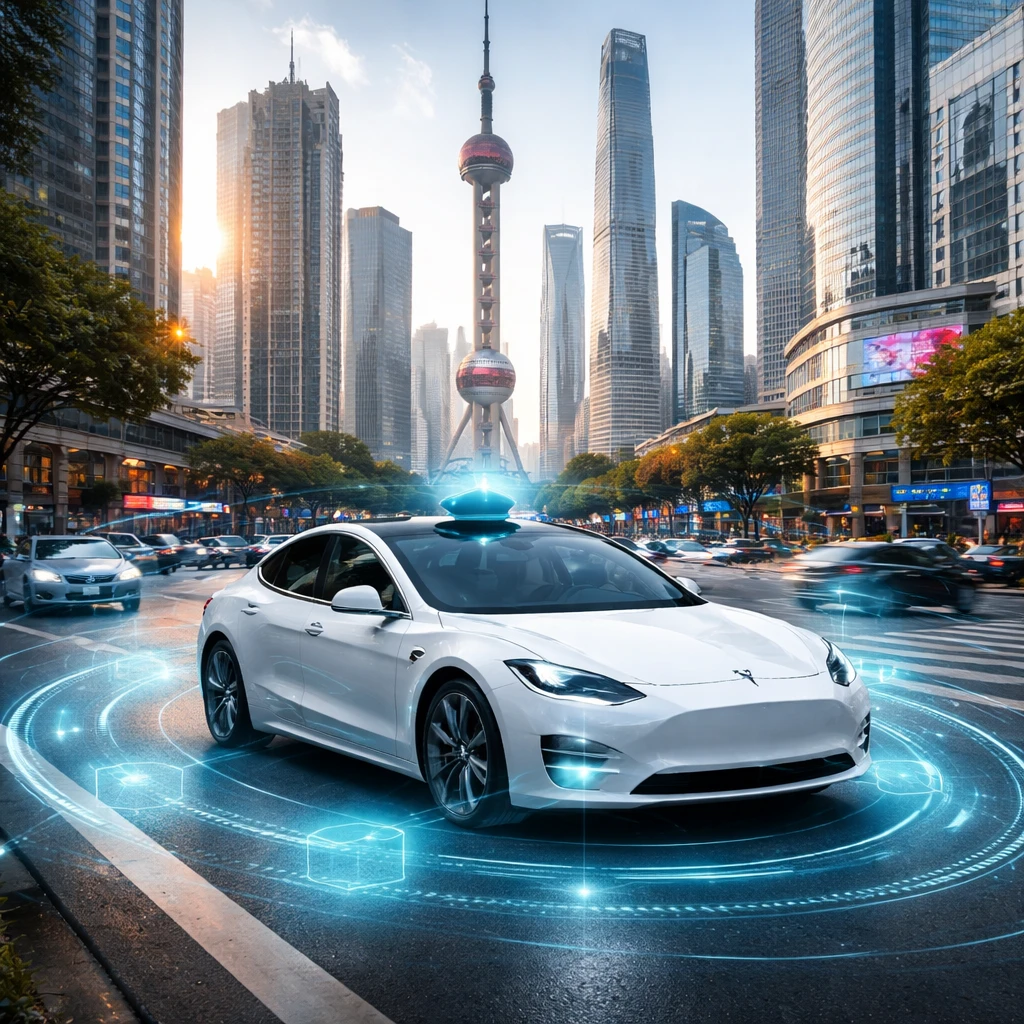
Morgan Stanley foresees a significant impact on the autonomous-driving sector in China contingent on the anticipated regulatory green light for Tesla's Full Self-Driving (FSD) rollout, possibly as soon as February. Analyst Tim Hsiao noted that Tesla recently indicated during the World Economic Forum that final earnest negotiations are underway, though rigorous scrutiny over data privacy in China might delay the process.
This move by Tesla is poised to benefit the autonomous-driving supply chain and operators of robotaxi services, mainly because it may prompt quicker issuance of Level 3 autonomous-driving permits. Hsiao specifically points out four stocks favored by Morgan Stanley within this sphere: Hesai and WeRide, deemed preferred investments in China's autonomous driving sector, as well as Horizon Robotics and Desay SV, which are set to gain from a hastened introduction of Level 2 and higher driver assistance systems.
Adding a positive context, Hsiao remarks on the ongoing improvement in Sino-US diplomatic relations, which could foster a regulatory environment conducive to technology deployment. However, he advises that challenges persist related to the secure handling of locally captured data and limited cloud access, which require cautious management.
Morgan Stanley also suggests the arrival of complete FSD functionality could precipitate a shift in consumer habits, much like Tesla's domestically manufactured electric vehicles spurred China’s wide EV adoption previously. The technology is seen by Chinese authorities as a strategic initiative with long-term AI development implications, which could also benefit the country's expansive artificial intelligence supply chain.
While the outlook appears promising, stakeholders should consider the nuanced regulatory and data-related hurdles. The ripple effects of Tesla’s FSD approval extend across multiple facets of the technology, automotive, and infrastructure sectors, particularly in companies involved in autonomous systems and AI advancements.