
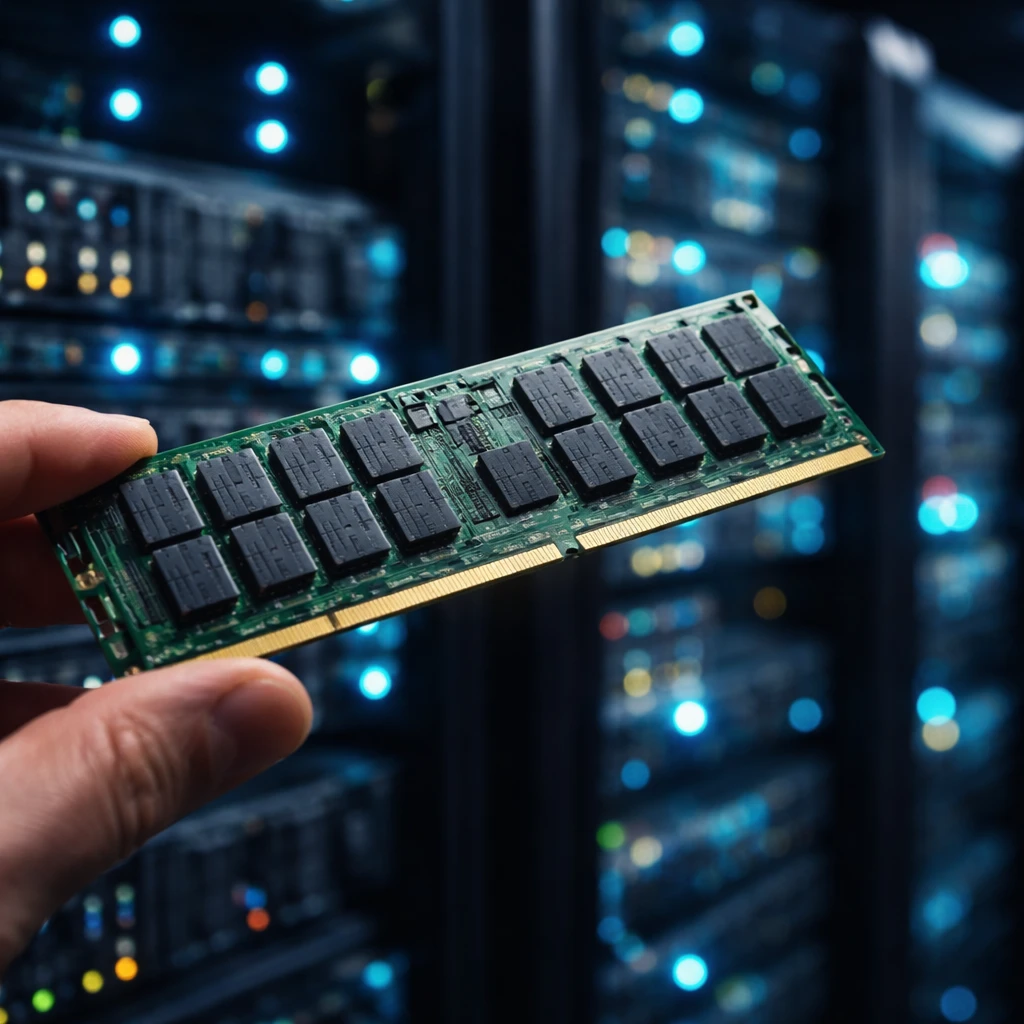
Memory chip prices experienced a pronounced jump in the first quarter of 2026, with some segments seeing increases of as much as 90% compared with the previous three-month period, according to industry analytics. The gains were led by general-purpose server DRAM, while NAND memory - which had been largely stable in the fourth quarter - also registered sharp rises during Q1.
Scale of the move
Data from the research firm show server memory prices climbed on average between 90% and 98% in Q1, following an already steep advance of 60% to 76% in Q4. Forecasts cited by the same research indicate server memory could rise another 20% in the second quarter of 2026.
PC memory saw similar upward momentum, with prices up between 91% and 100% so far in Q1 after a 20% to 35% gain in Q4. Expectations for PC memory call for a further 15% to 20% increase in Q2.
Who stands to gain
Higher memory prices are expected to materially benefit large semiconductor suppliers. The industry leaders identified as primary beneficiaries include Samsung Electronics Co Ltd (KS:005930), SK Hynix Inc (KS:000660), and Micron Technology Inc (NASDAQ:MU). These companies were reported to have recorded strong earnings growth in 2025, supported by elevated demand for memory components from the artificial intelligence sector.
Why AI is influencing prices
Advanced memory is a core component for AI data centres because generative AI models demand substantial computing resources. The market activity from major technology firms investing heavily in AI infrastructure - described as AI hyperscalers - has translated into rapid procurement of memory chips over the last year. That intense buying has prompted cautions from several memory manufacturers about a potential supply shortage, with AI-driven demand expected to outpace current production capacity.
Downstream effects on device makers
The surge in chip costs has prompted warnings from consumer electronics and PC manufacturers about higher device prices and deteriorating margins in the near term. Major PC vendors Lenovo Group (HK:0992) and Dell Technologies Inc (NYSE:DELL) indicated they are likely to raise prices for devices in 2026 once existing memory procurement contracts lapse and fresh inventory is sourced at higher cost.
“For device manufacturers, this is a double whammy - rising component costs and weakened consumer purchasing power will likely slow the demand as the quarter progresses,” said Jeongku Choi, senior analyst at the research firm, in a emailed statement. “This calls for OEMs to change procurement patterns or focus on premium models to justify the higher price by delivering more value to consumers.”
Smartphone makers, including Samsung, and videogame console makers such as Nintendo Co Ltd (TYO:7974) have additionally signalled headwinds stemming from steep memory prices.
Outlook
With both server and PC memory prices forecast to continue rising in the second quarter, the dynamics in the memory market are likely to remain a key influence on the profitability of chipmakers and the cost structure for consumer device manufacturers. The balance between constrained supply and intense AI-driven demand will be central to price and margin developments over the coming months.
Key points
- Server memory prices rose on average 90% to 98% in Q1, after a 60% to 76% increase in Q4.
- PC memory increased 91% to 100% in Q1, following a 20% to 35% rise in Q4; further gains of 15% to 20% are expected in Q2.
- Major memory suppliers such as Samsung (KS:005930), SK Hynix (KS:000660) and Micron (NASDAQ:MU) stand to benefit, while device makers face margin pressure.
Risks and uncertainties
- Potential supply shortages - AI-driven demand could outpace production, intensifying price volatility for memory chips.
- Higher input costs for device manufacturers - PC, smartphone and console makers may face weaker margins and could raise consumer prices once current contracts expire.
- Demand sensitivity - Elevated component prices combined with constrained consumer purchasing power could slow end-market demand as the quarter progresses.