
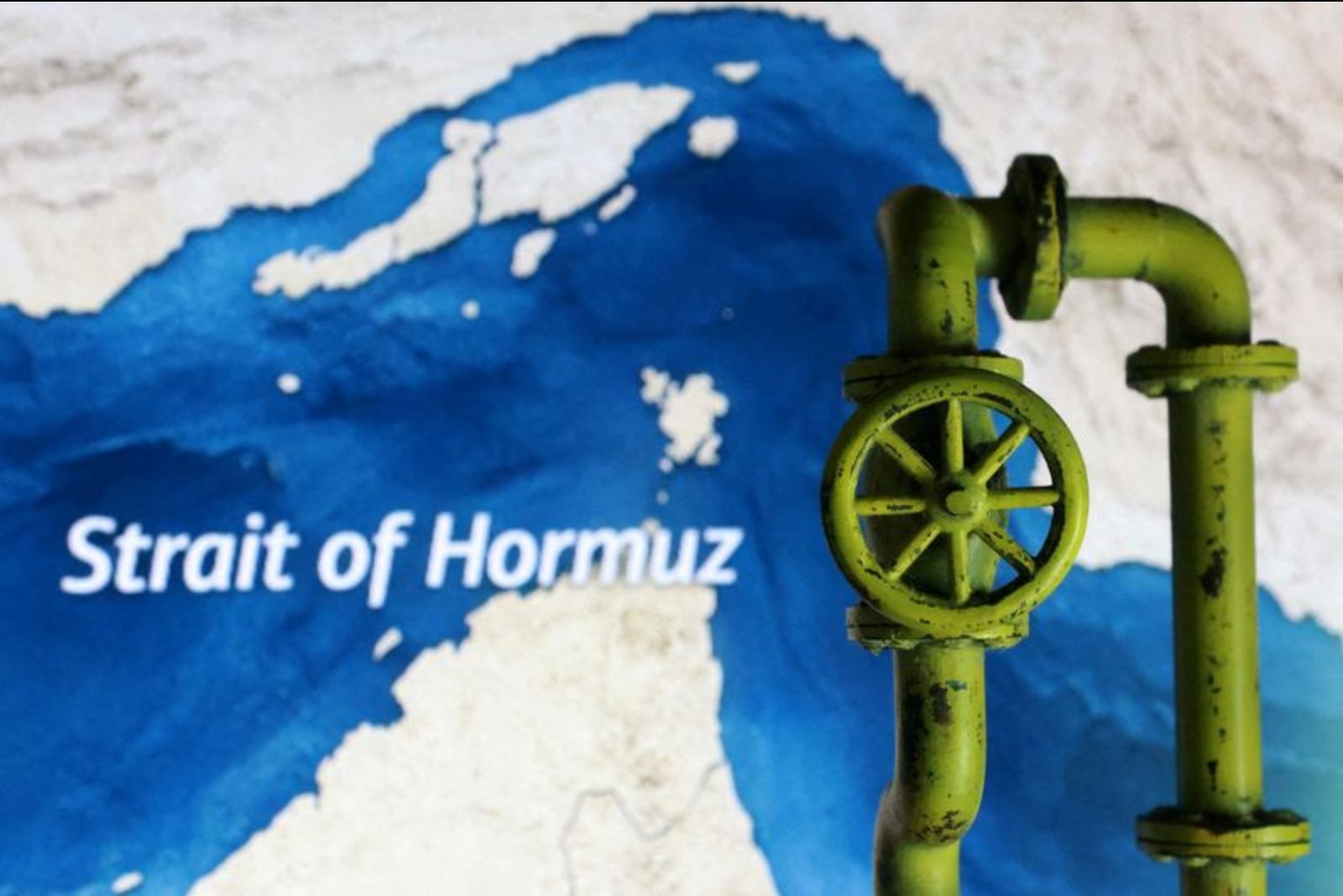
SINGAPORE, April 8 - Financial markets moved sharply as news of a two-week halt to bombing and attacks on Iran prompted traders to price in a lower near-term geopolitical risk premium and the prospect of restored hydrocarbon flows from the Gulf.
U.S. President Donald Trump said he agreed to suspend bombing and attacks on Iran for two weeks and that a long-term peace agreement was in progress. That development was interpreted by market participants as reducing the immediate threat to Gulf oil and gas supplies and as creating a pathway toward more durable stability.
In response, U.S. crude futures dropped about 9% to $103 a barrel, while S&P 500 futures rose 1.6%. The dollar weakened broadly against other currencies. Futures trading pointed to broad gains for Asia's stock markets that had been pressured by the conflict and sharply higher energy costs. In fixed income, 10-year U.S. Treasury futures jumped roughly 15 ticks, reflecting a move into government debt amid the shift in risk sentiment.
Risk-sensitive currencies and assets also moved higher. The Australian dollar climbed more than 0.8% to trade above 70 U.S. cents, the euro strengthened 0.4% to $1.1647, and cryptocurrencies registered gains.
The market reaction covered multiple asset classes simultaneously - energy prices fell, equity futures climbed, sovereign bond futures rallied and some currencies appreciated - reflecting the wide-ranging implications traders attached to the ceasefire and the possibility it could enable the resumption of Gulf oil and gas exports.
Summary
A two-week suspension of bombing and attacks on Iran prompted a broad market rally: crude oil fell to about $103 a barrel, equity futures advanced, U.S. Treasury futures rose, and several risk-sensitive currencies strengthened. The ceasefire is being viewed as potentially leading to a longer-term peace and the restart of Gulf hydrocarbon flows.
Key points
- The two-week ceasefire is seen as creating a path toward a lasting peace and resumption of Gulf oil and gas exports - benefiting energy and equity markets.
- U.S. crude futures fell roughly 9% to $103 per barrel while S&P 500 futures climbed 1.6% and 10-year U.S. Treasury futures jumped about 15 ticks - moves that impacted energy, equities and fixed income.
- Risk-sensitive currencies and cryptocurrencies rose: the Australian dollar gained more than 0.8% to above 70 U.S. cents and the euro moved to $1.1647.
Risks and uncertainties
- The ceasefire is limited to two weeks, leaving uncertainty over whether a durable, long-term peace will be achieved - a factor that could reopen price and market volatility (affects energy and equities).
- Markets had been beaten down by the war and soaring energy prices, a background that could sustain elevated volatility even after the pause in hostilities (affects all major asset classes).
- The resumption of Gulf oil and gas exports is conditional on the development of lasting peace - an outcome that remains uncertain and could influence energy supply and global markets.