
Overview
Corporate leaders at a range of large U.S. companies sought to reassure investors on Tuesday that they can manage the economic fallout of the Iran war, despite a sharp rise in oil that has pushed up costs across multiple input categories. Companies face rising fuel and packaging expenses on top of the drag from U.S. tariffs, and many are contemplating price increases at a time when consumer spending shows potential strain.
Company reactions and market context
A Reuters review of corporate statements issued since the conflict began found that 24 companies have withdrawn or cut their forecasts, 35 have indicated they will raise prices, and another 35 have warned of direct financial hits. Despite those negative signals, several chief executives and chief financial officers struck a more positive tone on Tuesday, pointing to hedging programs, prior purchasing contracts, sustained demand or the ability to reallocate costs across their businesses.
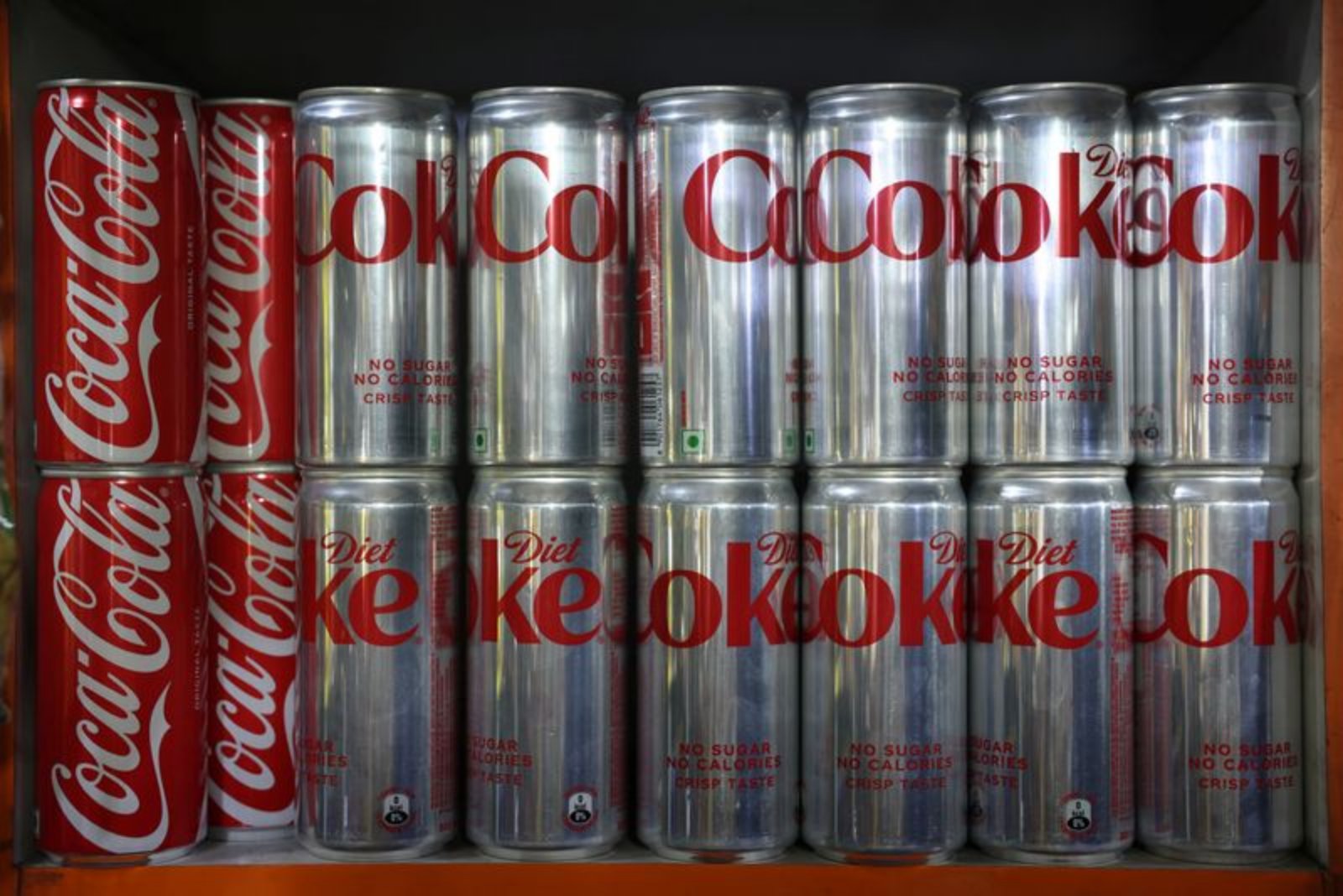
Coca-Cola stood among the companies voicing optimism, with CFO John Murphy saying the company - like PepsiCo - had locked in some lower input prices prior to the current market disruption, and is relying on steady consumer demand for its sodas. Murphy added the company was "working hard with our bottling partners to deal with the implications of the situation ... in the Middle East." Nevertheless, Coca-Cola remains exposed to elevated packaging costs for plastic and aluminum on certain finished products.
On a broader market level, analysts raised expectations for first-quarter S&P 500 earnings growth to 16.1% as of April 24, up from 14.3% on February 27 before the conflict began, according to LSEG data. That upward revision was driven mainly by strong forecasts from technology and energy companies.
David Morrison, senior market analyst at Trade Nation, emphasized the importance of upbeat messaging from corporate leaders. "It’s been an extraordinarily strong earnings season," he said, adding that confident commentary from CFOs and CEOs was necessary. "If they don’t sound as bullish and start citing higher energy costs or, the war with Iran or anything, the market is in a mood and it’s at a level where, these stocks could get punished quite badly."
Industry-specific pressures and responses
Some firms adopted a guarded stance. United Parcel Service reiterated its full-year revenue target but warned that rising fuel prices could eventually weigh on demand. UPS CEO Carol Tome said: "It is early in the year and there is a war in the Middle East. High gasoline prices could potentially impact demand towards the end of the year."
Automakers signaled that they are prepared to manage the volatility. General Motors highlighted its experience with dynamic market conditions. As GM CEO Mary Barra put it, "We are clearly operating in a very dynamic environment, which isn’t unusual for this industry." GM estimated that inflation in raw materials, chips and logistics would reduce annual earnings by $1.5 billion to $2 billion - roughly $500 million more than its estimate late last year - but the company nevertheless raised its full-year earnings outlook, citing a resilient U.S. market and an anticipated tariff refund.
Procter & Gamble stood out among consumer goods companies by issuing a direct profit warning tied to rising oil costs. The company warned last week of an approximately $1 billion hit to its fiscal 2027 profit as a result of surging oil prices.
Airlines continue to be the most immediately vulnerable group. Jet fuel prices have nearly doubled since the end of February, tightening carriers between sharply rising costs and tickets that were sold in advance. JetBlue Airways said it would slow hiring, reduce capacity and raise fares after reporting a larger first-quarter loss, a setback that could undermine its turnaround efforts. Even with operational adjustments, the risk remains that margins could be hit more deeply and that there are limits to how much of the cost can be passed on to consumers.
Macro implications and consumer risk
Economists warn that continued upward momentum in energy prices would have broad implications for economic activity and inflation. Peter Cardillo, chief market economist at Spartan Capital Securities, warned: "If energy prices continue to move higher, basically, every sector of the economy is affected. The cost to manufacture goods goes up, and that means higher inflation which is passed on to the consumer, and that means, a less robust consumer." He added that higher inflation could prompt consumers to pull back on spending.
Conclusion
Across sectors, firms are balancing the need to protect margins with the reality of consumer sensitivity to price increases. A mix of hedges, prior purchase agreements and resilient demand appear to be helping some companies mitigate immediate impacts, but the breadth of firms trimming guidance or signaling higher costs underscores the risks if energy prices and other inputs remain elevated.
Summary: Rising oil and packaging costs linked to the Iran war have prompted dozens of U.S. companies to cut guidance, warn of financial hits or plan price increases. Several large firms, citing hedging and strong demand, expressed confidence they can weather the shock, while airlines face particular vulnerability due to soaring jet fuel prices.