
French commercial broadcaster M6 and its shareholder CMA CGM are pressing for reform of France's decades-old media rules, according to three sources familiar with the matter. The proposed changes are intended to remove regulatory barriers that keep French media groups from joining consolidation sweeping through Europe, and to strengthen their ability to compete with large U.S. streaming services.
Industry supporters argue that scale is increasingly necessary as viewing shifts to on-demand platforms and social video. The reform advocates say freeing up ownership rules would allow French companies to take part in cross-border mergers and acquisitions - transactions they are currently unable to pursue easily because of domestic regulatory constraints.
European deal activity has already seen traditional broadcasters seek scale elsewhere. British broadcaster ITV has explored a 1.6 billion pound sale of its TV business to Comcast’s Sky, while last year Italy's MediaForEurope took control of Germany's ProSiebenSat.1 and RTL acquired Sky Deutschland. Those moves underline a broader consolidation trend that proponents of change in France say domestic rules are preventing local players from joining.
Analysts and industry participants point to the growing dominance of global streaming and social-video platforms. A Boston Consulting Group study published last September found that those platforms accounted for 64% of weekly viewing time across France, Britain, Germany and Switzerland. In France specifically, Mediametrie data show on-demand viewing via streaming platforms and broadcasters' catch-up services accounted for 39% of daily video consumption in 2025, up from 36% a year earlier.
Critics of reform have cited concerns about market concentration and the potential erosion of protections for French-language programming, and French lawmakers have traditionally been cautious in altering media rules for those reasons.
Who is pushing and why
M6 is the driving force behind the campaign for change. The broadcaster's second-largest shareholder, the global shipping company CMA CGM Group, headed by Rodolphe Saade, owns more than 10% of the M6 network, the sources said. Company statements provided in response to inquiries emphasized ongoing investment priorities rather than commenting directly on the legislative push. M6 said it continues to invest heavily in content, distribution partnerships, data, advertising, and its M6+ platform regardless of market developments.
David Larramendy, M6 Group CEO, recently summed up the pressure the industry faces, telling Le Monde: "Our industry faces a transformation of viewing habits and direct competition from American platforms. Under these conditions, maintaining the status quo with regulations designed 40 years ago is untenable."
M6's largest shareholder remains German media group RTL. An RTL spokesperson said: "RTL Group remains convinced that market consolidation is necessary to compete with the global tech platforms - and that market consolidation will also happen in France sooner or later. Groupe M6 will play a key role in any further consolidation in the French TV industry. However, any significant consolidation move requires a change of the current French media law."
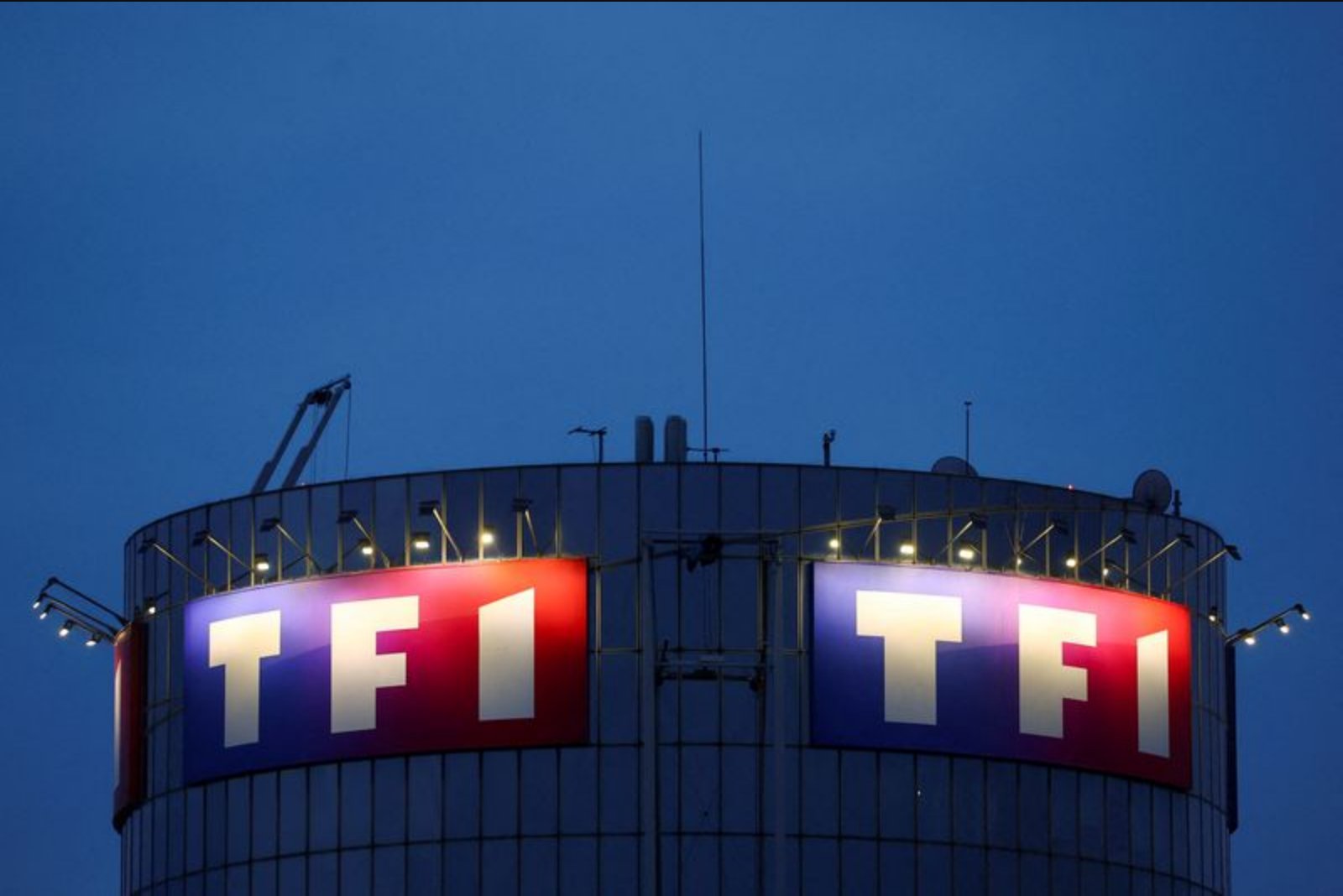
TF1 - France's other major commercial broadcaster - told Reuters that it is not seeking a repeal of the five-year licence but wants a broader review of the rules that limit consolidation so the sector can restructure for the digital era.
What the regulatory change would do
An amendment approved by the French Senate would shorten a rule that effectively locks up an operator's ownership structure because of staggered expiry dates on digital terrestrial licences. That amendment would reduce the licence lock-up period from five years to two years, which proponents say would enable M6 to undertake M&A deals by 2028 rather than being constrained until 2032.
French Culture Minister Rachida Dati supports the proposed change, according to sources, but the political timetable complicates prospects for reform. Sources said any media law changes would need to occur before France's municipal elections in March; otherwise the window for enactment risks closing amid the country's political turbulence. A spokesperson for the minister did not respond to a request for comment.
Potential suitors and strategic moves
A range of European media groups and individual investors have been mentioned as potential suitors should regulatory barriers be eased. Thomas Rabe, CEO of Bertelsmann - the parent of RTL - has previously expressed hopes of reviving an aborted merger between M6 and TF1 within the next two to three years. In 2022, M6 Group and TF1 abandoned their own plans to merge after antitrust remedies required to clear the deal made the combination unattractive.
Italy's MediaForEurope (MFE) is another name in play. MFE Chief Executive Pier Silvio Berlusconi said at a company event last month that he remained interested in entering the French market following an attempt in 2022 to buy M6 that was halted when RTL scrapped a planned sale. Two sources said an MFE-backed offer had valued RTL's stake in M6 at about 1.4 billion euros, or 22 euros a share. MFE declined to comment.
Berlusconi also recounted unsuccessful talks with TF1 in the past and warned that French rules risk isolating the country as consolidation advances elsewhere, saying: "As they are, I don't know how far M6 and TF1 can go." TF1 CEO Rodolphe Belmer told French newspaper Ouest France that the TV network would be interested in trying again to buy M6 if it were put up for sale.
Rodolphe Saade - the shipping magnate expanding his media holdings - is also cited by sources as a potential acquirer should regulatory reform permit deals. For Saade, acquiring the whole of M6 would create a second major French media group to rival TF1. A spokesperson for Saade's CMA CGM said: "We do not comment on market rumours."
Context and constraints
Industry advocates argue that reform would allow French broadcasters to seek the scale needed to compete with global players. Opponents remain concerned about the cultural and competitive consequences of altering rules designed to protect national-language programming and limit concentration. With viewing habits shifting - and a substantial share of weekly viewing attributed to global streaming and social video platforms across several European markets - the debate over when and how to change France's media framework is likely to shape the sector's strategic options in the coming years.
Currency references used in earlier reporting placed $1 at 0.8532 euros and $1 at 0.7391 pounds.